Sell House With Code Violations In Orlando: Skip Repairs and Showings
Need to sell a house with code violations in Orlando? Cash buyers close in days, skip repairs, and put real money in your pocket. See how it works in Orlando FL.

Head of Marketing, NestCash··11 min read
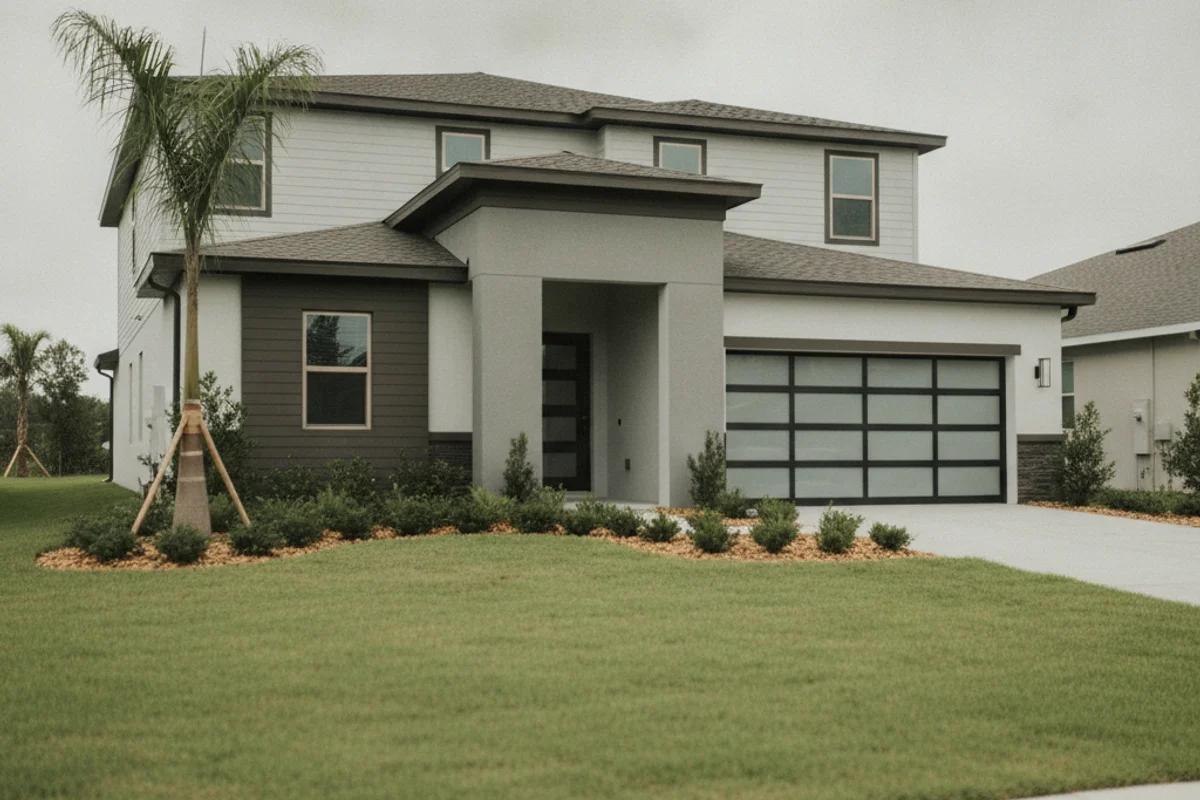
Your house has a code violation notice sitting on the kitchen counter, and the clock is ticking. Whether you need to sell your house with code violations in Orlando because of financial pressure, an inherited property, or a renovation that got out of hand, you’re probably wondering if a traditional sale is even possible. Here’s the honest answer: it’s complicated, expensive, and slow. The good news is there’s a better path that more Orlando homeowners are taking every day, and it doesn’t involve spending months fixing problems just to hand the savings to a real estate agent.
Why Orlando’s Code Enforcement Reality Makes Traditional Sales Tough
Orlando takes code enforcement seriously. The city’s Code Enforcement Division handles thousands of active cases each year, covering everything from unpermitted additions in Conway to deteriorating roofs in Pine Hills and overgrown lots in Parramore. If your property has an open violation or an unpermitted structure, you’re going to run into problems the moment a traditional buyer’s lender orders an appraisal.
Here’s the thing about financed buyers: their mortgage lenders don’t like risk. If an appraiser flags a code violation, the lender can require repairs before closing, delay funding, or kill the deal entirely. That means you’re stuck paying to fix the problem, waiting weeks for a re-inspection, and hoping the buyer doesn’t walk away during all of it. Even if they stay patient, you’ve already spent money and time you didn’t have to spare.
Florida also has clear legal requirements around disclosure. Under the standard established in the landmark case Johnson v. Davis, Florida sellers must disclose all known material defects to buyers. Active code violations absolutely fall under that umbrella. Skipping that disclosure isn’t just risky, it’s the kind of thing that can come back to haunt you legally after closing, sometimes years later when the new owner discovers the issue.
The Orange County Property Appraiser’s Office maintains public records on property status, and buyers or their agents can easily pull that information during due diligence. Trying to hide a violation isn’t a strategy. It’s a liability that follows the property even after the sale is done.
There’s also the practical reality of Orlando’s housing stock. A large portion of homes in neighborhoods like Eatonville, Azalea Park, and Richmond Heights were built in the 1950s through 1970s, and decades of renovations, additions, and deferred maintenance mean unpermitted work is genuinely common. You’re not alone in this situation. But you do need a realistic plan to get out of it.
Get Your Free Cash Offer Today
No fees. No repairs. Close in as little as 7 days.
Related Video
5 Reasons Orlando Homeowners Skip the Listing Process Entirely
Traditional home sales in a stable market like Orlando typically work well for updated, move-in-ready properties. If your home has code issues, the traditional route stacks the deck against you. Here’s why so many sellers are choosing a different approach.
1. Repair costs eat your equity. Bringing a home into compliance isn’t cheap. Electrical rewiring, permitted room additions, or structural repairs can run tens of thousands of dollars. A full electrical panel upgrade in Orlando typically runs $2,500 to $4,500. Permitted additions with framing, drywall, and inspections can push past $30,000 depending on square footage. On a home priced near Orlando’s median of $410,000, that’s a significant chunk of what you’d net at closing, and there’s no guarantee those repairs will fully recover their cost in the sale price.
2. The timeline is brutal. Traditional sales in Orlando average 54 days on market before you even get to closing. Add repair time, re-inspection periods, and lender processing, and you could easily be looking at four to six months from today to funded. During that window, you’re still paying property taxes, homeowner’s insurance, utilities, and potentially accumulating code enforcement fines that compound daily.
3. Deals fall through more often with distressed properties. A buyer who falls in love with your home in Colonialtown might back out the moment their inspector flags the unpermitted garage conversion. Deals that collapse after a 30 to 45-day contract period waste everyone’s time and leave you back at square one, often with an expired listing and a property that’s now publicly associated with problems.
4. Cash buyers aren’t fazed by violations. Cash home buyers in FL purchase properties in as-is condition specifically because they have the resources and experience to handle repairs after closing. They’re not relying on a lender’s approval, so a code violation doesn’t blow up the deal the way it would in a traditional transaction. They’ve seen it before, and they’ve handled it before.
5. You don’t pay commissions. A traditional sale in Florida typically costs sellers 5 to 6 percent in agent commissions alone, on top of closing costs and any required repairs. On a $410,000 home, that’s over $20,000 out the door before you account for a single repair bill. Most cash buyers charge zero fees and cover their own transaction costs, which means more of the offer price lands in your pocket.
For a side-by-side breakdown of what sellers actually net, the article Cash Offer Vs Listing With Realtor in Cape Coral: Real Numbers walks through the real math in detail, and the same principles apply when you’re trying to sell your house fast in Orlando with a property that needs work.
The 3-Step Process: Selling Your Home With Code Violations in Orlando
Selling to a cash buyer is genuinely simpler than most homeowners expect. Here’s how it actually works, from first contact to funded.
Step 1: Request Your Offer
You contact an Orlando cash home buyers company and share basic details about your property, things like the address, approximate square footage, what violations or unpermitted work you’re aware of, and your general timeline. This typically takes about ten minutes. There’s no obligation, no pressure, and no fee to get a number. You’re just gathering information at this stage.
Step 2: Property Review
The buyer will review your property, either through a brief in-person walkthrough or using available records, photos, and comparables. They’re looking at the overall condition, the specific violations involved, what comparable homes in your neighborhood have sold for, and what repairs will realistically cost. This step usually happens within 24 hours of your initial contact, sometimes the same day.
Cash buyers who operate in Orlando regularly are already familiar with the neighborhoods, the common violation types, and what properties in various conditions actually sell for after renovation. They’re not guessing on the numbers. They’re working from real experience in the local market.
Step 3: Close on Your Timeline
Once you accept the offer, you pick the closing date. Most cash sales in Orlando close in 7 to 21 days. There’s no lender appraisal, no buyer financing contingency, and no waiting for someone’s mortgage underwriter to sign off. You show up, sign the paperwork, and walk away with funds wired directly to your account.
Compare that to the traditional process: 30 to 45 days just to close after a buyer goes under contract, preceded by weeks of showings, negotiations, and inspection periods. With a cash sale, you skip all of that friction entirely and move straight to closing.
What Orlando’s Real Estate Market Means for Your Situation Right Now
Orlando’s housing market is stable heading into 2026, with a median home price holding around $410,000 and moderate inventory levels across the metro area. About 30 percent of home sales in the area are cash transactions, which tells you something important: cash buyers are active, competitive, and specifically looking for properties in Orlando right now.
That’s actually good news for you. With strong cash buyer demand and a city that continues to attract residents because of major employers like AdventHealth, Lockheed Martin, Darden Restaurants, and the broader tourism and hospitality sector anchored by the theme park industry, investors and rehabbers genuinely want Orlando properties. Even homes with code violations in neighborhoods like Eatonville, Azalea Park, or Richmond Heights attract real interest from buyers who know how to work with distressed properties and have the capital to do it.
Seasonal patterns matter in traditional sales too. Orlando sees increased buyer activity from January through April as northern buyers and snowbirds look to relocate before summer heat peaks. But with a quick home sale in Florida through a cash buyer, you’re not dependent on timing the market or waiting for the right season. You can move when it makes sense for your life, not when the listing calendar says conditions are optimal.
If you’re dealing with the additional pressure of potential foreclosure on top of a code violation issue, it’s worth reading Avoid Foreclosure Sell House Fast In Orlando: Get Your Offer in 24 Hours for specific guidance on how to protect yourself from both problems at the same time. The window to act before a foreclosure becomes a permanent record is narrower than most homeowners realize.
For context on how cash offers compare to traditional listings in other Florida markets, Cash Offer Vs Listing With Realtor in Jacksonville: Real Math offers a comparable analysis for another major Florida metro with similar market dynamics.
You can also explore options across the state on our sell house Florida page, which covers buyers in markets from Miami to Lakeland.
Find Out What Your Home Is Worth
Get a no-obligation cash offer in 24 hours.
What About Open Liens and Code Enforcement Fines?
This is one of the most common concerns Orlando homeowners bring up, and it deserves a direct answer.
Active code enforcement liens in Orange County are recorded against the property title. If you sell through a traditional listing, those liens typically need to be resolved before or at closing because most lenders won’t fund a mortgage on a property with active title encumbrances. That means negotiating with the county, paying off the accumulated fines, and potentially hiring an attorney to clear the title, all before you ever see a dollar from the sale.
With a cash buyer, the process is different. Many experienced cash buyers are skilled at negotiating lien reductions directly with Orange County, or they factor the cost of resolving liens into their offer price so you don’t have to handle it yourself. You get a clean exit without becoming an expert in municipal lien law.
The Orange County Code Enforcement Division and the Florida Department of Business and Professional Regulation both have public resources if you want to understand exactly what’s recorded against your property before you reach out to a buyer. Knowing what you’re dealing with upfront helps you have a more informed, confident conversation when offers come in.
If there’s a federal mortgage component involved, such as an FHA or HUD-backed loan affecting your situation, HUD’s homeowner resources provide clear guidance on your options before a distressed sale becomes urgent.
Common Questions About Selling With Violations in Orlando
What kinds of violations do cash buyers actually accept? Most will purchase homes with unpermitted room additions, open electrical or plumbing permits, roof issues, HVAC deficiencies, foundation concerns, structural problems, and active code enforcement cases with accrued fines. The scope can vary by buyer, so it’s always worth describing your specific situation when you reach out rather than assuming your property is too complicated.
Will I get a fair price if my home has violations? A cash offer will typically come in below the retail market value you’d see in a perfect-condition listing. That’s straightforward because the buyer is taking on risk and repair costs. But when you factor in what you’d spend on bringing the home into compliance, agent commissions, carrying costs during a 54-day listing period, and the real chance of a financed deal falling through, the net difference between a cash offer and a traditional sale is often much smaller than homeowners initially expect. In some cases, sellers actually net more from a cash sale once you strip out all the costs on the other side.
Can I sell if I don’t live in Orlando anymore? Absolutely. Remote closings are common throughout Florida. You can handle the entire process electronically and have funds wired directly to you regardless of where you’re located. Many sellers dealing with inherited properties, job relocations, or long-distance landlord situations never set foot in Orlando during the transaction.
We also work with homeowners in nearby markets. If you’re in the Lakeland area or closer to Fort Lauderdale, the same straightforward process applies with buyers who know those local markets just as well.
Your Next Step
You don’t have to let a code violation put your life on hold. Whether your home in Pine Hills has an unpermitted addition, your Parramore property has an active lien with accumulating daily fines, or you’ve inherited a place in Conway that hasn’t been touched in years, there’s a clear path forward that doesn’t involve spending months and tens of thousands of dollars on repairs you may never fully recoup.
Orlando’s cash buyer market is active right now, the process is fast, and you can move on your schedule. The first step is simply knowing what your home is worth in its current condition, violations and all. Get your cash offer today and have a real number in your hands within 24 hours. No obligation, no fees, no guesswork, just a concrete figure you can use to make a smart decision about what to do next.
NestCash works with Orlando homeowners dealing with divorce, foreclosure, inherited properties, and homes that need to sell as-is every single day.
Ready to Sell? Let's Talk.
Get your cash offer now. No obligation, no hassle.

Jackson is the Head of Marketing at NestCash, where he leads growth strategy and real estate education. He focuses on housing trends across 12 states, translating complex market shifts into clear, actionable guidance.