Cash Offer Vs Listing With Realtor in Cape Coral: Real Numbers
Cape Coral waterfront homes average 44 days on market. With 34% cash sales and $24,720 in typical fees, see which option nets you more money.

Senior Contributor, NestCash··10 min read
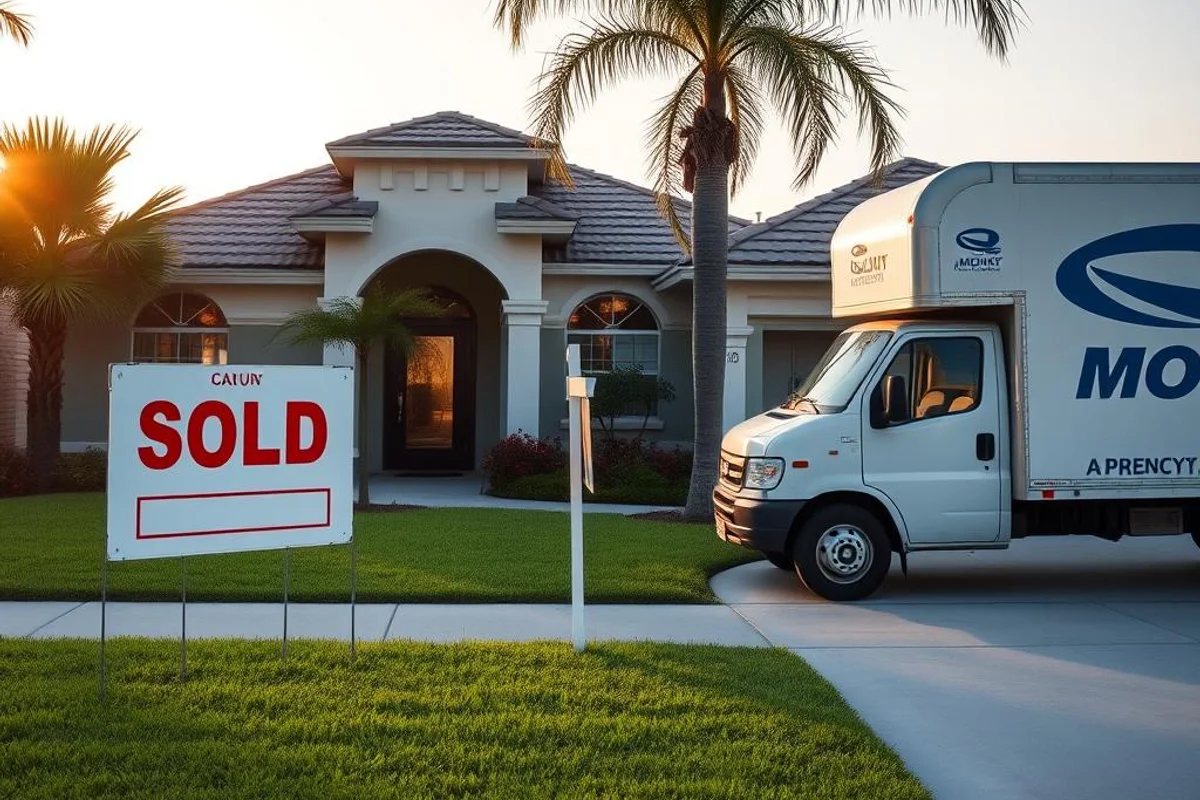
cash home buyers in Cape Coral’s real estate market doesn’t behave like most Florida cities. And that changes the cash offer vs listing with realtor Cape Coral equation in ways most sellers don’t see coming.
Here’s what makes this market different. Cape Coral is built on canals. It has more miles of navigable waterways than any city in the world. That waterfront premium drives up prices in some sections and creates wildly uneven buyer demand across zip codes. Add Florida’s insurance crisis, seasonal buyer patterns that swing hard between November and April, and one of the highest concentrations of retiree and snowbird buyers in the country, and you’ve got a market where the standard sell-or-cash advice genuinely doesn’t apply.
Let’s start with the market conditions, then work through how they affect your decision.
What Makes Cape Coral Different From Other Florida Markets
The insurance problem is real and it’s affecting sales. Florida homeowners insurance costs have tripled in many areas since 2020. For Cape Coral buyers needing a mortgage, lenders require proof of insurability before approving financing. Older roofs, homes in flood zones, and properties near the canals face the highest premiums or outright refusals from insurers.
What does this mean for sellers? Buyers financing a purchase have a hurdle your home has to clear before they can even get their loan approved. If your roof is older than 15 years or your home has had prior claims, a significant percentage of traditional buyers won’t be able to get financing approved. That shrinks your buyer pool and extends your days on market.
Cash buyers don’t care about insurance at all. They’re purchasing without a lender’s conditions. This is one of the clearest cases where Cape Coral’s specific market conditions tilt the equation toward cash offers.
Seasonal demand swings dramatically. The snowbird market is real and substantial. Buyer activity in Cape Coral peaks from November through April when northern visitors flood Southwest Florida. Inventory moves fastest and prices hold strongest during this window.
List your home in June, and you’re fighting against summer heat, hurricane season, and a buyer pool that’s a fraction of what it is in January. The 44-day average days on market assumes a reasonably active buyer pool. In the off-season, that number climbs significantly.
Canal access creates a two-tier market. Homes with direct Gulf access command a substantial premium over properties with indirect access or no water access at all. Within Cape Coral, your zip code matters enormously. The Yacht Club area, Cape Harbour, and Rose Garden move differently than the far northeast quadrants. A blanket “list vs cash” comparison misses this entirely.
34% of sales close as cash. That’s far above the national average and reflects the investor activity, retiree demographics, and seasonal buyer patterns in Southwest Florida. You have a genuine market for cash sales here.
Get Your Free Cash Offer Today
No fees. No repairs. Close in as little as 7 days.
Related Video
How Market Conditions Favor Each Option
The insurance situation makes cash offers more attractive for homes with older roofs or prior claims. If your property falls into either category, you’re already at a disadvantage in the traditional market. Financed buyers get screened out before they can even make an offer.
The seasonal pattern makes timing critical for traditional listings. If you can wait until November to list, the buyer pool multiplies. If you can’t wait, or if you’re already in your second summer without a sale, a cash offer may be more practical than fighting the seasonal tide.
For waterfront homes in premium sections like Cape Harbour or the Yacht Club, traditional listings during peak season are often worth the wait. These properties attract cash-paying retirees and investors who don’t need financing, so the insurance issue matters less. Competition for well-located waterfront is strong enough that a patient seller can do well.
For properties in the far northeast quadrants, non-waterfront lots, or homes with condition issues, the market is thinner and less forgiving. A cash offer removes the uncertainty of whether you’ll find a qualified buyer during the window you have.
According to the National Association of Realtors, approximately 15-20% of traditional home sales fall through before closing. In a market like Cape Coral where buyer financing can get knocked out by insurance issues late in the process, that failure rate may run higher for certain property types.
The Cost Comparison for a $412,000 Cape Coral Home
Now the numbers. This comparison uses Cape Coral’s median home price of $412,000.
| Cost Category | Traditional Listing | Cash Offer |
|---|---|---|
| Sale Price | $412,000 | $350,200 (85%) |
| Agent Commission | -$24,720 (6%) | $0 |
| Closing Costs | -$12,360 (3%) | $0 |
| Repairs/Staging | -$8,240 | $0 |
| Carrying Costs | -$4,500 (2 months) | $0 |
| Your Net Proceeds | $362,180 | $350,200 |
| Time to Close | 75-90 days | 7-14 days |
| Net Difference | +$11,980 | Faster by 60-75 days |
The $11,980 gap in your favor with a traditional listing is real. But here’s how Cape Coral’s specific market conditions can narrow or eliminate it.
Florida’s closing costs run higher than most states. The average closing costs in Florida include documentary stamp taxes that add up fast. Budget $12,360 minimum, and that number can climb for more complex transactions.
Inspection negotiations on Cape Coral homes almost always surface something. Roof condition due to Florida’s intense sun and hurricane exposure. HVAC age in year-round heat. Potential water intrusion near canals. Expect buyers to request $3,000 to $8,000 in repairs or credits even on well-maintained homes.
If your home is off-season and takes 60 to 70 days instead of the average 44, carrying costs add another $2,000 to $3,000. That $11,980 advantage erodes fast.
Recommendations by Seller Situation
The market conditions above aren’t abstract. They translate into concrete guidance based on where you are in life and what your property looks like.
Sell traditionally if: Your home is in excellent condition, the roof is newer, it’s in a desirable waterfront section, you can list between November and April, and you have no timeline pressure. These sellers routinely capture that $12,000 premium and more.
Sell for cash if: Your roof is 15-plus years old, your home has had prior insurance claims, you’re listing in summer or early fall, you need to close within 30 days, or your home needs significant work. Cape Coral’s insurance-driven market makes the traditional path genuinely harder for homes with these characteristics.
The inherited property situation: If you inherited a Cape Coral home with deferred maintenance and you don’t live in Florida, a cash sale is almost always the right call. Coordinating repairs and showings remotely on a property through a Cape Coral summer while paying carrying costs is expensive and stressful. Cash buyers purchase as-is and close fast. Similar to how inherited property owners benefit from quick sales in other Florida markets, the cash home buyers in Florida path removes the logistics burden entirely.
The foreclosure situation: If you’re racing a foreclosure clock, traditional listings almost never close fast enough. A cash sale in 7 to 14 days gives you the ability to close before the auction date, protect your credit, and walk away with equity instead of nothing.
According to Florida property disclosure requirements, sellers must disclose known defects regardless of sale method. Cash buyers typically accept properties with full knowledge of issues, which simplifies the process considerably. Learn more about how it works with reputable cash buyers.
Find Out What Your Home Is Worth
Get a no-obligation cash offer in 24 hours.
Four Real Cape Coral Scenarios
Example 1: The Seasonal Timing Win
Maria listed her three-bedroom home in the Southwest Cape Coral area in January. Her roof was newer, home was well-maintained, and she had no timeline pressure. She listed at $380,000.
Her home moved in 31 days, well below the average. She netted $329,000 after commission, closing costs, and minimal repairs. A cash offer would have been around $323,000. The $6,000 premium plus the favorable January timing made the traditional route obvious.
Example 2: The Insurance-Blocked Sale
David had a 2004 home in the northeast quadrant with an original roof. He listed in March at $372,000. Three buyers made offers. All three lost financing because their lenders couldn’t approve the loan given the roof age and flood zone status.
After four months, he accepted a cash offer at $316,200. His carrying costs during those four months added $12,000 to his total expense. A cash offer from day one would have netted more and saved him four months of frustration.
Example 3: The Inherited Canal-Front Property
James and his two siblings inherited a canal-front home in the Caloosahatchee section. The property needed a new roof ($18,000), updated kitchen ($25,000), and paint throughout ($4,000). None of them lived in Florida.
They accepted a cash offer at $374,000 on a home worth approximately $440,000. After calculating repair costs, out-of-state carrying costs, and the complexity of managing contractors remotely, the cash offer put more money in their pockets than any other realistic path.
Example 4: The Patient Yacht Club Seller
The Hendersons owned a home in the Yacht Club area worth $520,000. Updated, well-maintained, premium waterfront location. They listed in December and sold in 22 days at near asking. After all costs they netted $460,000. They had every advantage: timing, condition, and location. The traditional listing was the right choice.
Your Cape Coral Decision
HOA Fees and the Canal Access Tier System
Two Cape Coral-specific factors don’t appear in generic home sale comparisons but have real effects on your net proceeds and your buyer pool.
Many Cape Coral communities have HOA fees, and these fees require transfer at closing. Some communities also charge capital contribution fees when ownership transfers, which can run $500 to $2,500 and are paid by the seller in many cases. If your community has outstanding special assessments for road maintenance, seawall repair, or amenity upgrades, those balances typically need to be settled at closing. Buyers ask about these proactively and their lenders verify HOA financial health before approving financing.
Cash buyers handle these realities the same way traditional buyers do, but they don’t have lender conditions hanging over the transaction. If a financed buyer’s lender doesn’t like the HOA reserve balance or flags an outstanding assessment, the deal can fall through for reasons entirely outside your control. Cash buyers make that call independently.
On canal access, Cape Coral’s four-tier pricing structure matters enormously for what you’ll realistically net.
Direct Gulf access properties, which allow boats to move from your dock to open water without any bridge restrictions, command the highest premiums. If your home has direct Gulf access and is in a desirable section like Cape Harbour or Pelican Bay, traditional listings during peak season are almost always worth the wait. These properties attract buyers who specifically seek this access and will pay for it.
Indirect access properties require navigating bridges with height restrictions. These are substantially less valuable to boaters and attract a different buyer profile. The market is thinner and negotiating leverage shifts toward buyers.
Non-waterfront properties and those on freshwater canals make up the bulk of Cape Coral’s inventory. This segment has the most standard supply and demand dynamics, and these homes benefit most from peak-season timing when the overall buyer pool is deepest.
If you’re unsure about your canal classification, Lee County Property Appraiser records at leepa.org show your property’s characteristics and provide recent comparable sales data by area.
The right answer depends on your specific combination of property condition, location, timing, and circumstances. Cape Coral’s unique factors, especially the insurance crisis and seasonal swings, make the market more nuanced than most.
If you’re weighing a cash offer vs listing with a realtor in Cape Coral, start by honestly assessing your roof age and insurance situation. Those two factors alone often determine whether a traditional listing is practical or not.
Compare what you’d actually keep from each path using the numbers above. Get a no-obligation cash offer and have a realistic conversation with a local realtor about your home’s condition and timing. When you see both numbers side by side, the right decision usually becomes clear. Similar to how homeowners in other markets benefit from understanding the cash offer vs listing with realtor Jacksonville comparison, what matters is net proceeds in your situation, not a generic formula.
Cape Coral homeowners may also want to read about selling quickly in Cape Coral.
Did you inherit a property you’re not sure what to do with? Are you and a co-owner splitting ways? NestCash specializes in inherited homes, divorce sales, and properties that need to sell as-is, so you don’t have to figure it out alone.
We also help homeowners in Cape Coral dealing with foreclosure situations.
Ready to Sell? Let's Talk.
Get your cash offer now. No obligation, no hassle.
- cash offer vs listing with realtor cape coral
- lee county real estate
- florida commission comparison
- waterfront property sales
- realtor vs cash buyer
- cape coral market 2026
- hurricane damage homes

Lisa is a Senior Contributor at NestCash, writing expert content on real estate, homeownership, and market trends. She covers 12 states, with a focus on making real estate information practical, clear, and useful.