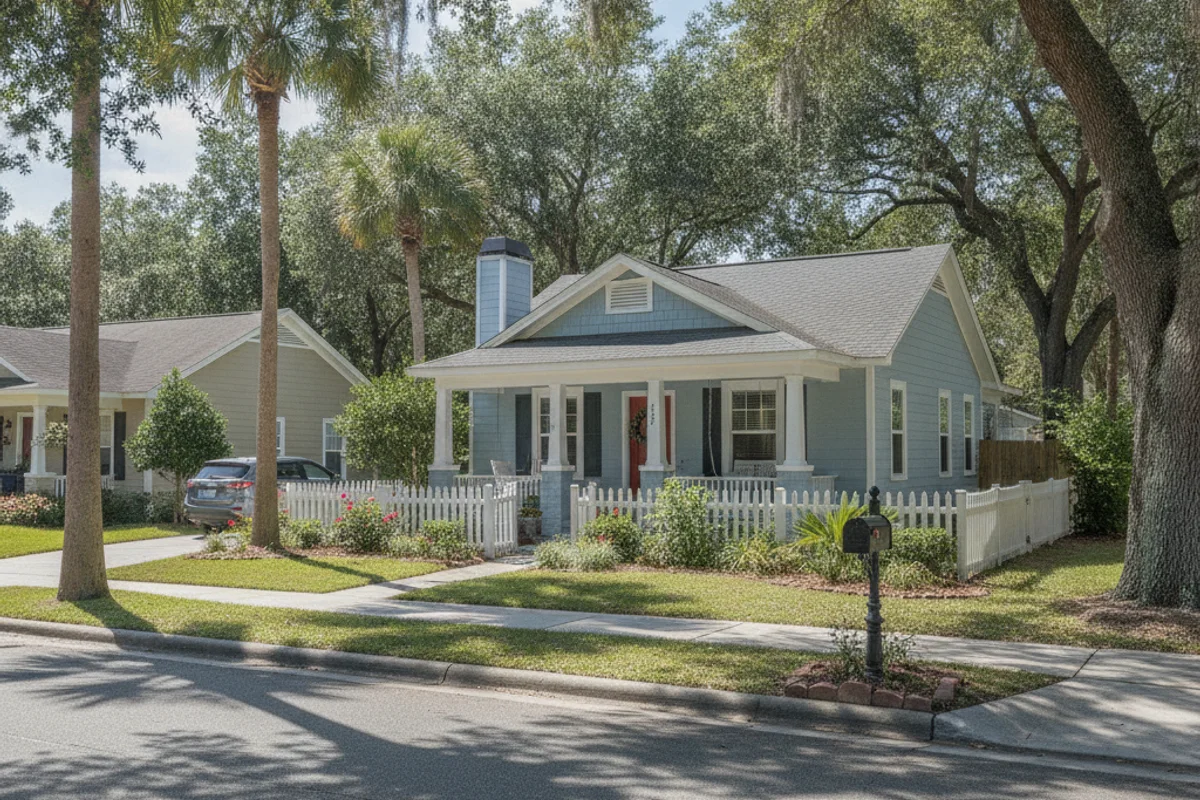
Cash Offer Vs Listing With Realtor In Jacksonville: Real Math
Jacksonville sellers: Compare real net proceeds from cash offers vs realtor listings with actual numbers. See what you'll keep after all costs and timelines.

Senior Writer, NestCash··11 min read
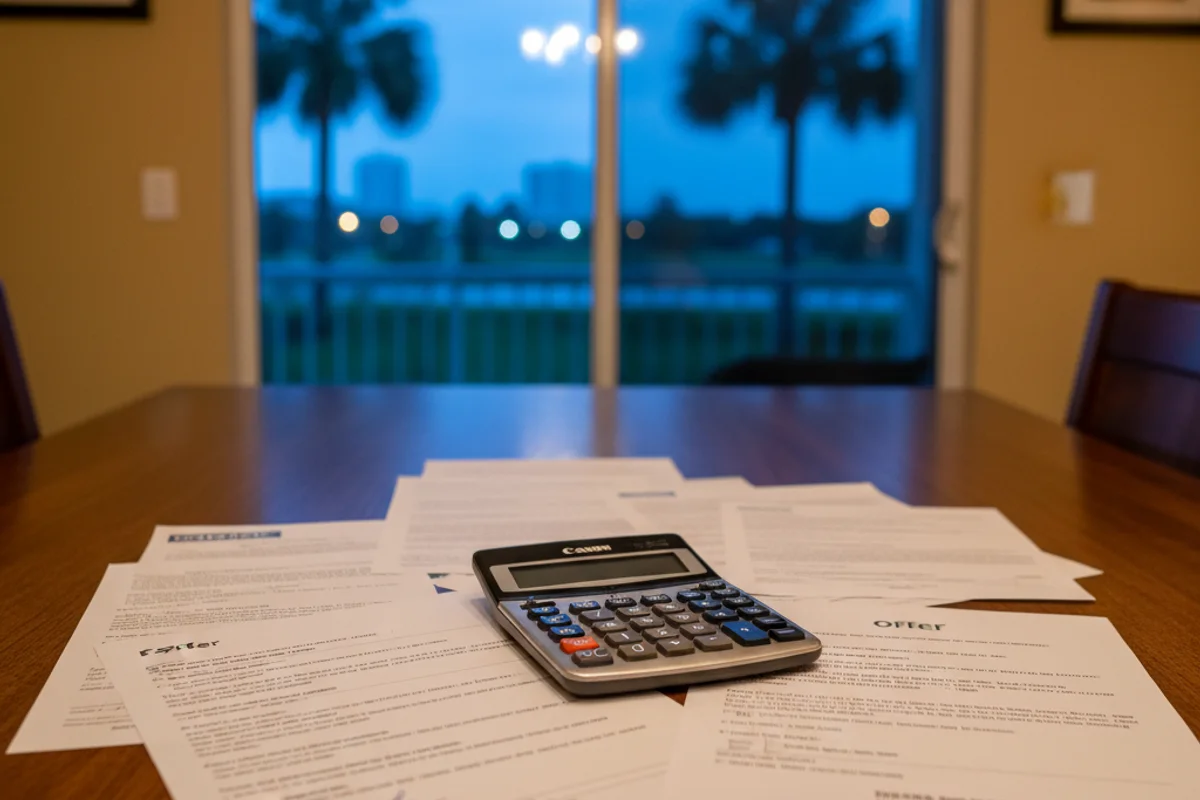
Here’s what most people get wrong about selling: they think the listing price is what they’ll walk away with. When you’re weighing a cash offer versus listing with a realtor in Jacksonville, that assumption costs you clarity. The real question isn’t what your home might sell for. It’s what you’ll actually keep after commissions, repairs, carrying costs, and the inevitable negotiations that follow inspection reports.
Let’s work through the actual math using Jacksonville’s real market numbers. The median home price here sits at $342,000, homes take an average of 38 days to sell, and 31% of all sales are cash transactions. Those aren’t random statistics. They’re the foundation for calculating what each path actually puts in your bank account.
Is “Listing Always Gets More Money” True in Jacksonville?
Most sellers believe this without running the numbers. Let’s fix that right now.
Here’s a side-by-side comparison for a $342,000 Jacksonville home:
| Cost Category | Traditional Listing | Cash Offer |
|---|---|---|
| Sale/Offer Price | $342,000 | $290,700 (85%) |
| Agent Commission (6%) | -$20,520 | $0 |
| Seller Closing Costs (3%) | -$10,260 | $0 |
| Pre-Listing Repairs | -$6,840 | $0 |
| Inspection Repairs | -$4,500 | $0 |
| Carrying Costs (2 months) | -$3,200 | $0 |
| Net Proceeds | $296,680 | $290,700 |
| Timeline to Cash | 70-90 days | 7-14 days |
The difference? About $5,980. That’s the actual premium you’re receiving for listing in this scenario, not the $51,300 difference between the sale price and cash offer that most sellers fixate on.
Now consider what happens if your home needs more work than expected. If repairs climb to $12,000 instead of $6,840, or if your buyer negotiates another $3,000 credit after inspection, that premium evaporates completely. In Riverside’s older homes or properties in Springfield needing foundation work, this happens more often than sellers anticipate.
Jacksonville’s market stability actually works against the listing advantage. In rapidly appreciating markets, waiting 90 days might mean capturing additional equity growth. Here, with stable pricing, you’re just covering costs while you wait.
The good news is you don’t have to guess. When you get your cash offer from Jacksonville cash home buyers, you’ll have a guaranteed number to compare against estimated listing proceeds. That comparison makes your decision remarkably clear.
Get Your Free Cash Offer Today
No fees. No repairs. Close in as little as 7 days.
Related Video
Breaking Down the 6% Commission and What Else You Pay
Most Jacksonville sellers understand they’ll pay real estate commissions. Fewer understand how those commissions actually break down or what other costs accompany them.
The typical 6% commission splits between the listing agent and buyer’s agent, usually 3% each. On that $342,000 home, you’re paying $20,520 total. That’s the most visible cost, but it’s not where the expenses end.
Seller closing costs in Florida typically run 2-3% of the sale price. These include:
- Title insurance policy for the buyer
- Documentary stamp taxes (Florida’s transfer tax)
- Settlement fees and escrow charges
- Property taxes prorated to closing date
- HOA transfer fees (if applicable)
- Recording fees
For your $342,000 sale, budget another $10,260 for these costs according to Bankrate’s Florida closing cost data. Some sellers mistakenly think buyers cover all closing costs. In Florida, the convention is split responsibility, with sellers covering substantially more.
Then there are the pre-listing costs most sellers don’t anticipate:
Cleaning and staging: Even if you don’t hire a professional stager, you’ll spend $500-1,500 making your home show-ready. In competitive neighborhoods like San Marco or Avondale, professional staging can run $2,000-4,000 for a month.
Pre-listing repairs: Your agent will walk through and identify items that need addressing before listing. Peeling paint, broken fixtures, dated landscaping. Budget $3,000-8,000 for cosmetic improvements that help your home compete.
Photography and marketing: While many agents include professional photos in their service, some charge separately. Even if it’s included, someone is paying for it through that commission structure.
The transparency here matters. When you sell a house in Florida through traditional channels, you’re funding an entire transaction infrastructure. That infrastructure delivers value through market exposure and competitive bidding. But it’s not free, and the costs compound quickly.
Cash buyers operate differently. Because they’re purchasing directly, there’s no commission to split. Because they buy as-is, there are no pre-listing preparation costs. Because they handle their own closing costs, your 3% seller portion disappears. The offer you receive is the amount that hits your account, minus any existing liens, back taxes, or mortgage payoff on the property.
How Repair Requests Eat Into Your Jacksonville Sale Proceeds
Here’s where listing estimates start falling apart. You list for $342,000, accept a full-price offer, and assume you’re working with that number minus known costs. Then the inspection report arrives.
Florida law requires sellers to disclose known material defects, but it doesn’t require you to fix them according to Florida’s property disclosure requirements. Traditional buyers, however, will absolutely request repairs after their inspection. And their lender might require certain fixes before approving the loan.
Common inspection issues in Jacksonville homes include:
Roof concerns: Florida’s weather is hard on roofs. If yours is over 15 years old, expect questions. Partial repairs might cost $2,500-5,000. Full replacement runs $8,000-15,000 depending on size.
HVAC systems: In Jacksonville’s climate, air conditioning isn’t optional. Systems over 10 years old often trigger buyer concern. Replacement costs $4,000-7,000.
Foundation and settling: Particularly in older neighborhoods like Ortega or Murray Hill, foundation issues appear regularly. Repairs range from $3,000 for minor crack sealing to $15,000+ for significant structural work.
Moisture and mold: Jacksonville’s humidity creates perfect conditions for moisture problems. Bathroom ventilation, crawl space issues, and attic ventilation commonly appear on inspection reports. Remediation costs $1,500-6,000.
Electrical updates: Homes built before 1990 often need panel upgrades or outlet replacements to meet current lending standards. Budget $1,200-3,500.
You have three options when buyers request repairs:
- Make the repairs yourself before closing
- Offer a credit at closing for the buyer to handle repairs
- Reduce your sale price to account for needed work
All three options reduce your net proceeds. The average Jacksonville seller concedes $4,500-7,000 in repair-related negotiations according to local real estate data. That’s on top of any pre-listing repairs you’ve already completed.
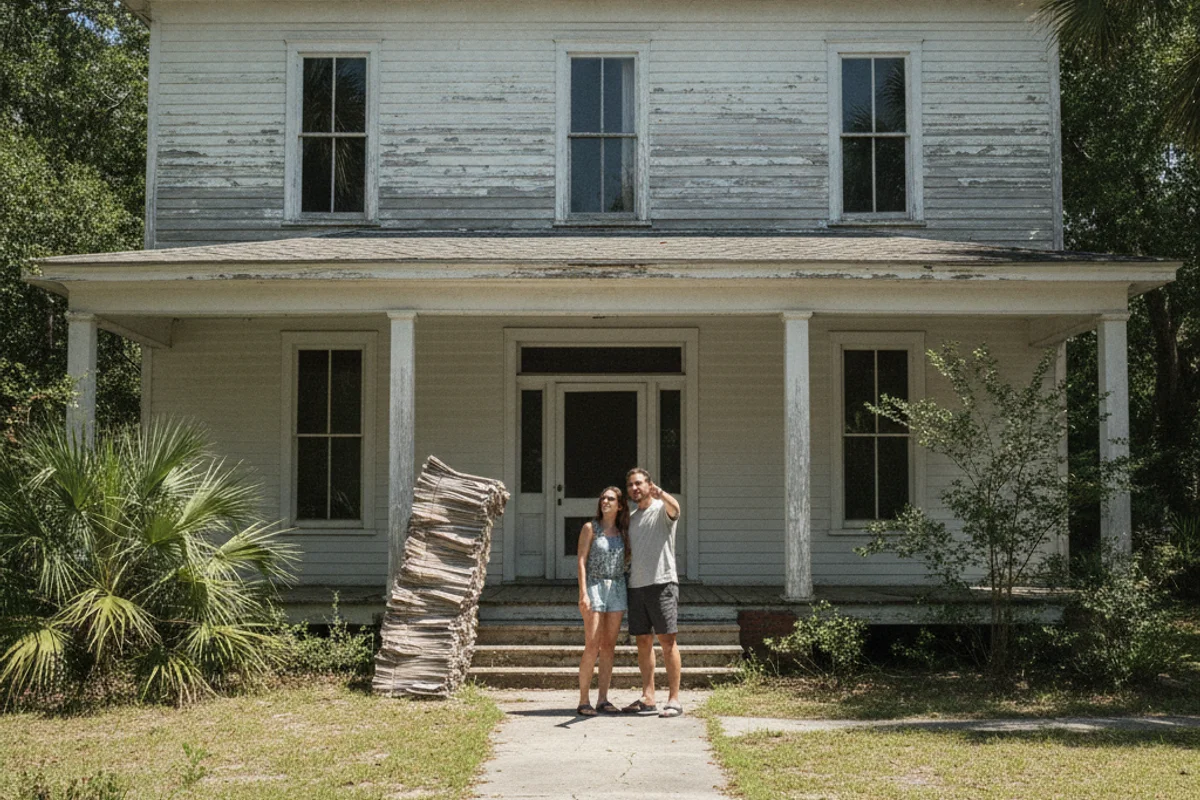
Cash buyers for homes eliminate this entire category. The offer accounts for property condition upfront. No inspection contingencies mean no surprise repair requests. No lender requirements mean no mandatory fixes. You’re selling in current condition, whatever that condition might be.
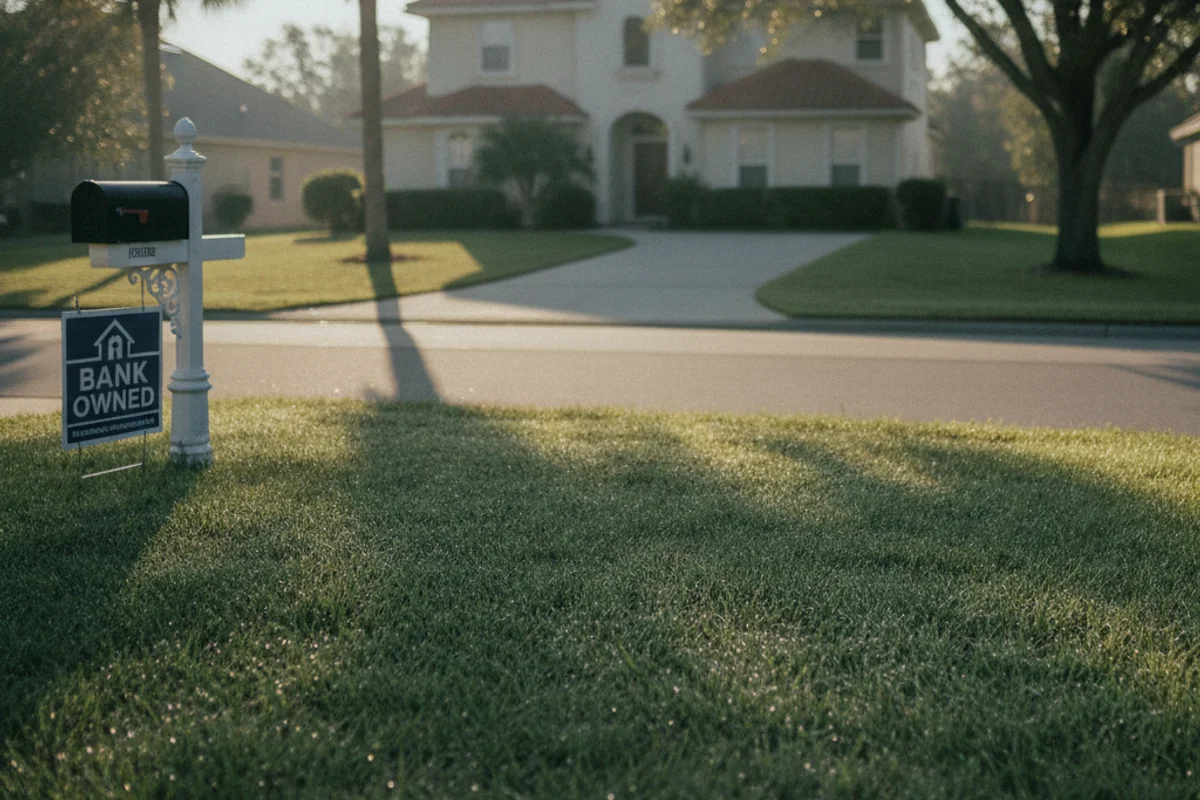
For sellers facing foreclosure or dealing with inherited properties, this difference is often decisive. The timeline and certainty matter more than squeezing every possible dollar from the sale.
Find Out What Your Home Is Worth
Get a no-obligation cash offer in 24 hours.
The Carrying Cost Math: What Every Extra Month Costs in Jacksonville
While your home sits on the market, you’re still paying for it. These carrying costs rarely appear in listing estimates, but they’re very real expenses that erode your proceeds.
Let’s calculate the monthly carrying costs for that $342,000 Jacksonville home:
Mortgage payment: If you have a $275,000 loan at 6.5% interest, your principal and interest payment is roughly $1,740 monthly. Add $250 for property taxes and $125 for insurance, and your total PITI payment runs about $2,115.
HOA fees: If your property is in one of Jacksonville’s many HOA communities, add $150-400 monthly.
Utilities: Even vacant homes need climate control in Florida to prevent moisture damage. Expect $180-250 monthly for electricity, water, and gas during listing.
Maintenance: Lawn service, pool maintenance (if applicable), and general upkeep run $150-300 monthly.
Total monthly carrying cost: $2,600-3,200 depending on your specific situation.
Jacksonville’s 38-day average time on market sounds reasonable until you add the closing timeline. After accepting an offer, Florida’s typical closing process takes 30-45 days for financed buyers. You’re looking at 70-90 days total from listing to receiving your funds.
That’s 2-3 months of carrying costs, totaling $5,200-9,600 before you see any money. These costs come directly out of your net proceeds.
The timeline gets worse if:
- Your home doesn’t sell in the average 38 days (50% of homes take longer than average by definition)
- Your first buyer’s financing falls through and you start over
- Inspection issues delay closing while repairs are completed
- Title problems emerge requiring resolution
Extended timelines hit hardest when you’re managing two housing payments. If you’ve already moved for a job transfer or purchased your next home, you’re covering both properties simultaneously. Three months becomes six months. Suddenly you’ve spent $15,000-20,000 just maintaining a property you’re trying to exit.
Cash sales close in 7-14 days typically. You’re not making three months of mortgage payments while waiting. You’re not covering three months of utilities on an empty house. The timeline itself has a dollar value that traditional sale estimates ignore.
This becomes especially important for sellers in time-sensitive situations. Similar to strategies used by homeowners who need to compare cash offers vs listing in Cape Coral, Jacksonville sellers facing financial pressure can’t afford extended carrying costs.
Why Cash Offers Are More Competitive in Florida Than You Think
Florida’s real estate market sees cash transactions at higher rates than most states. That 31% cash sale percentage in Jacksonville isn’t random. It reflects genuine market dynamics that make cash offers more competitive than sellers often expect.
No financing contingency: According to the National Association of Realtors, roughly 15% of financed home purchases fall through before closing. Appraisals come in low, buyers lose jobs, credit issues surface, or lenders deny the loan. Cash offers eliminate this risk entirely. The certainty of closing has real value, particularly if you need to coordinate your sale with purchasing another property.
Faster closing timeline: Traditional buyers need 30-45 days for their lender to process the loan. Cash transactions close in as little as 7 days once title work completes. For sellers who’ve already relocated or need to resolve estate issues quickly, this timeline advantage is worth thousands.
As-is purchase terms: Florida’s standard “AS IS” residential contract is widely used, but financed buyers still conduct inspections and request repairs even with as-is language. Their lenders require properties to meet certain standards. Cash buyers have no lender requirements. As-is actually means as-is.
Simplified closing process: Without loan underwriting, cash sales involve fewer parties, less paperwork, and fewer opportunities for delays. You’re not waiting for lender approval, appraisal scheduling, or satisfying loan conditions.
Market conditions favor quick sales: Jacksonville’s moderate inventory levels mean homes are moving, but you’re still competing with other listings. A guaranteed close in two weeks often wins against a higher offer contingent on financing, particularly for sellers who’ve tried listing before without success.
These advantages explain why experienced investors and retirees selling to downsize often prefer cash transactions even when listing might theoretically net more. The reduced stress and guaranteed outcome have value beyond the dollar amount.
The regulatory framework supports this too. Florida’s Department of Business and Professional Regulation oversees real estate transactions with clear guidelines that protect both cash buyers and sellers. The process is well-established and reliable.
Making Your Decision: Cash or List in Jacksonville?
You’ve seen the real numbers. Now let’s determine which option makes sense for your specific situation.
Choose listing with a realtor if:
You have time to wait 70-90 days for closing. Your home is in excellent condition requiring minimal repairs. You’re not carrying two mortgages or facing financial pressure. Your property is in a highly desirable neighborhood like Riverside, San Marco, or Ponte Vedra Beach where competitive bidding is likely. You’re willing to manage showings, negotiations, and potential deal failures. The $5,000-15,000 potential premium justifies the extended timeline and uncertainty.
Choose a cash offer if:
You need to close quickly due to relocation, financial hardship, or estate settlement. Your home needs significant repairs you can’t afford or don’t want to manage. You’re facing foreclosure or need to resolve the property within weeks. You’re managing an inherited property from out of state. Your home has issues that make traditional financing difficult (foundation problems, outdated systems, code violations). You value certainty over maximizing every dollar. The convenience and guaranteed close outweigh the potential listing premium.
Your specific Jacksonville considerations:
Properties in older neighborhoods like Springfield, Brentwood, or Lackawanna often need more work than newer builds in Bartram Park or Nocatee. Jacksonville’s property taxes and insurance costs mean higher carrying costs than many markets. The city’s spread-out geography means some neighborhoods attract more cash buyers than others.
Here’s a practical approach: request a cash offer first. That gives you a guaranteed baseline. Then consult with a realtor about realistic listing prices after all costs. Compare the actual net proceeds, not just the top-line numbers.
Many Jacksonville sellers discover the gap is smaller than expected, particularly after accounting for repairs and carrying costs. Others find their home’s condition or location makes listing the clear winner. The key is working with real numbers, not assumptions.
If you decide to pursue a quick home sale that Florida residents can complete in under two weeks, cash buyers provide that certainty. If you choose to list, you’ll do so knowing exactly what you’re gaining by waiting.
Both paths work. The right choice depends on your timeline, your property’s condition, and what matters most in your situation. Jacksonville’s market supports both traditional and cash sales successfully. Understanding the real cost structure of each option is what transforms this from a guess into an informed decision.
For sellers throughout Florida facing similar decisions, the math works similarly whether you’re in Jacksonville, nearby Orlando, or other regional markets. The percentages remain consistent even as home prices vary.
The bottom line is simple: a cash offer versus listing with a realtor in Jacksonville comes down to net proceeds, timeline, and certainty. Run your actual numbers, consider your specific circumstances, and choose the path that serves your needs best. You’re not guessing anymore. You’re calculating based on real market data and transparent cost breakdowns.
Both options put money in your pocket. The question is which timeline and net amount work best for where you are right now.
For more details, see our guide on selling your house as is in Jacksonville.
NestCash works with Jacksonville homeowners dealing with divorce, foreclosure, inherited properties, and homes that need to sell as-is every single day.
Ready to Sell? Let's Talk.
Get your cash offer now. No obligation, no hassle.

James is a Senior Writer at NestCash, specializing in housing market coverage and consumer-focused real estate guidance. Reporting across 12 states, he helps readers make informed decisions with clear, trustworthy insights.