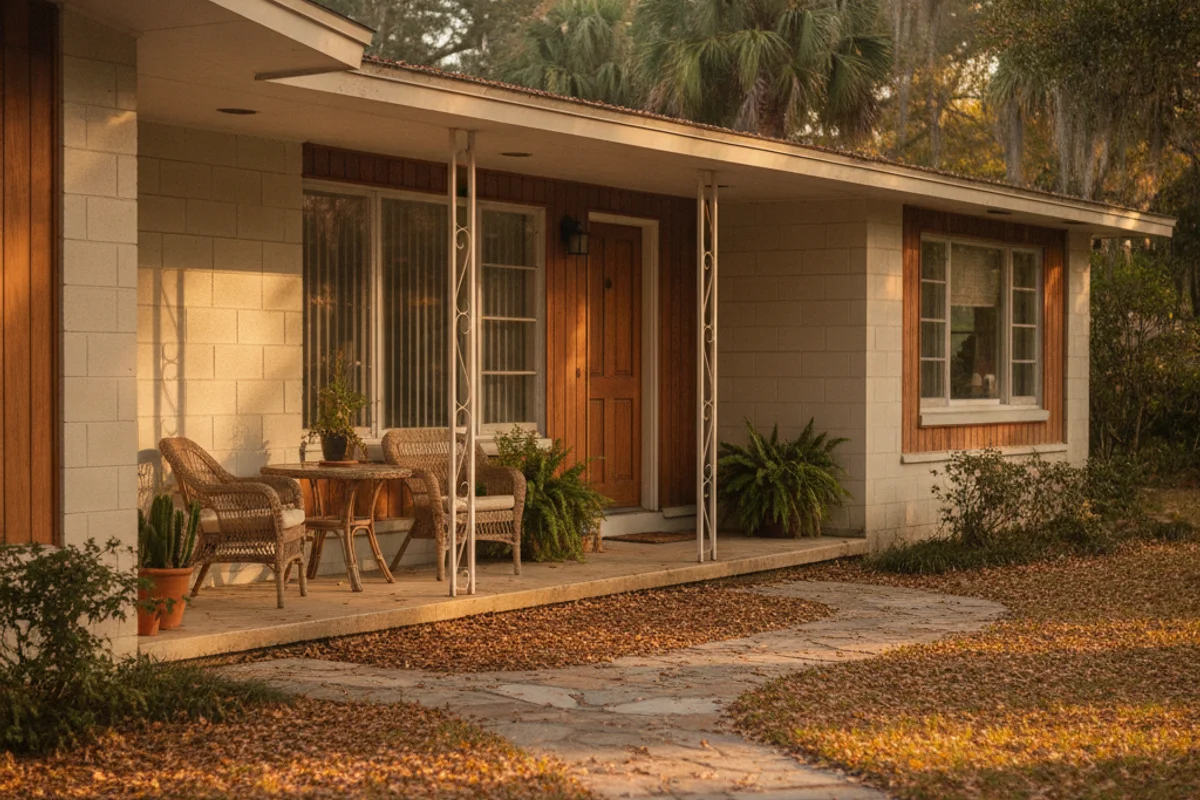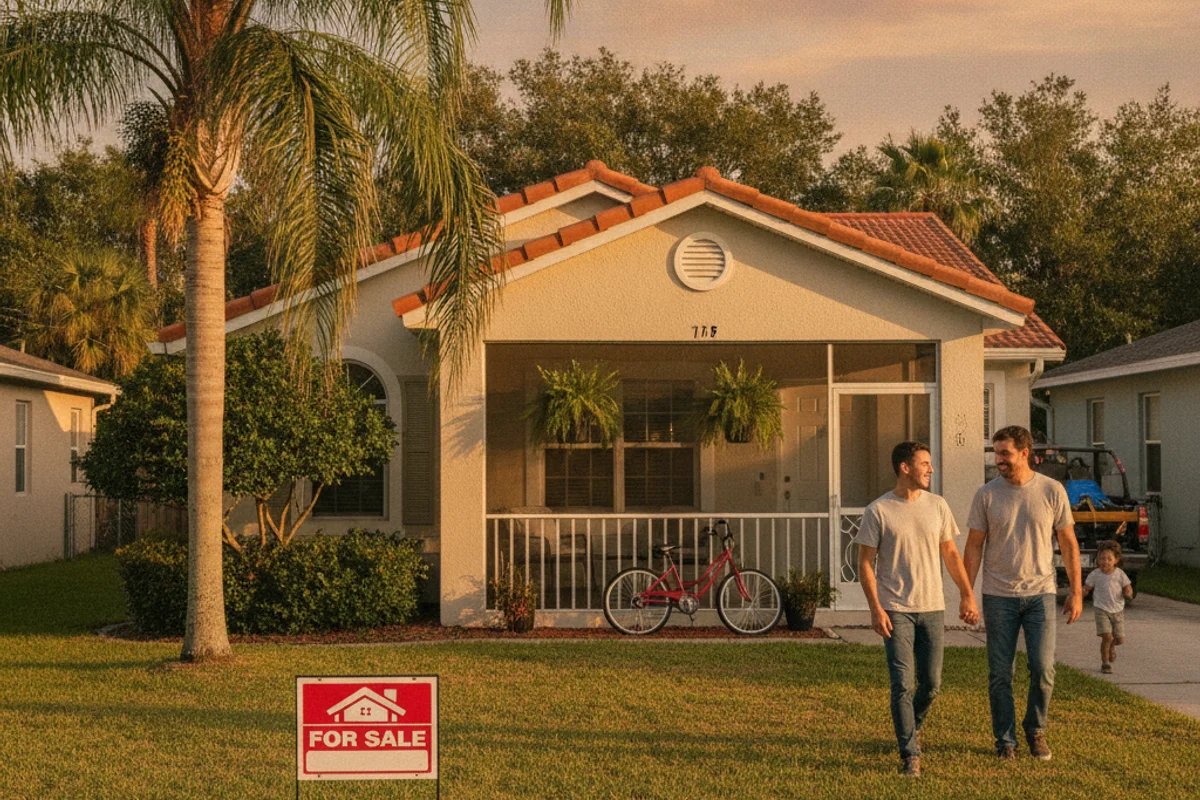
Sell Rental Property In Orlando: Get Your Offer in 24 Hours
Ready to sell rental property in Orlando? Learn how cash buyers close fast, handle tenants, and skip the 54-day listing grind. Get your offer in 24 hours.

COO & Correspondent, NestCash··12 min read
The rent hit your account late again last month. The HVAC unit in your Colonialtown duplex needs replacing. And somewhere between the maintenance calls and the vacancy gaps, you’ve started doing the math on whether being a landlord is actually worth it anymore. If you’re thinking about how to sell your rental property in Orlando and get out cleanly, you’re not alone. In 2026, a growing number of Central Florida landlords are deciding that cashing out makes more financial sense than grinding through another year of thin margins.
This guide breaks down exactly what that exit looks like: the legal obligations, the real costs, and the fastest way to close with zero surprises.
Why Orlando Landlords Are Exiting the Rental Market in 2026
Orlando’s rental market rode a massive wave after 2020. Remote workers flooded in from the Northeast and California. Rents spiked. Properties in neighborhoods like Milk District, Audubon Park, and Conway appreciated sharply. For a few years, being a landlord here felt like printing money. Annual rent increases of 15-20% were common across Orange County, and vacancy rates were near historic lows.
That cycle has cooled considerably. Inventory is now moderate, the market has stabilized around that $410,000 median, and the National Association of Realtors notes that landlord profitability is increasingly sensitive to rising insurance premiums and operating costs across Florida. Many of the investors who bought at 2021 and 2022 prices are now running the numbers and realizing their margins are thinner than anticipated.
Several converging factors are pushing experienced landlords toward the exit right now:
- Florida property insurance costs have increased dramatically, with some Orlando landlords seeing premiums double since 2021, directly compressing net operating income
- Orange County property tax reassessments following the appreciation boom are hitting investors hard, particularly those who purchased before 2019
- Rising interest rates have made 1031 replacement properties harder to pencil out, reducing one of the traditional incentives to stay invested in real estate
- Tenant turnover in the post-pandemic market has increased vacancy periods, and filling units now takes longer than it did two years ago
- New and proposed landlord regulations at the state and local level have created uncertainty about future cash flow
If you’ve been holding a property for five or more years, you’re likely sitting on significant equity. The question isn’t whether you have a gain. It’s whether continuing to manage the asset is the best use of that equity going forward.
Get Your Free Cash Offer Today
No fees. No repairs. Close in as little as 7 days.
Related Video
Can You Sell a Rental Property in Orlando with Tenants Still Living There?
Yes. You can sell your rental property in Orlando with tenants in place. This is one of the most common questions landlords ask, and the answer is straightforward.
Florida law does not require you to wait until a property is vacant to put it on the market or close a sale. What it does require is that you follow proper procedures throughout the process. Under Florida Statute Chapter 83, the existing lease agreement is a legally binding contract that transfers to the new owner at closing. The buyer steps into your shoes as landlord and inherits all obligations under the lease, including rent amounts, lease term, and any special provisions.
Here’s what that means in practice:
- If your tenant has 8 months left on a 12-month lease, the buyer must honor all 8 remaining months at the agreed rent rate
- Month-to-month tenants are entitled to at least 30 days’ written notice before termination under Florida Statute 83.57
- You cannot force a tenant to vacate simply because you’ve decided to sell, even if you offer cash for keys
- Any repairs or habitability obligations you have under the lease remain your responsibility until closing
The good news is that a tenant-occupied property can actually be an asset when selling to an investor buyer. A paying tenant with a solid rental history and several months left on their lease is genuinely attractive to cash buyers who want immediate income on day one. A vacant property, by contrast, is a cash-flow gap from the moment you close.
Florida Tenant Rights During a Property Sale
Tenants in Florida have specific legal protections that don’t disappear just because a “For Sale” sign goes up in the yard. Understanding these protections keeps you out of legal trouble and helps the sale move smoothly.
Right to quiet enjoyment. You must give proper written notice before entering the property for showings or inspections. Florida law requires at least 12 hours’ advance notice, and showings must occur during reasonable hours, generally 7:30 a.m. to 8:00 p.m. Violating this creates liability for you and gives a tenant grounds to terminate their lease early.
Security deposit obligations. The security deposit does not disappear at closing. You must either transfer the full deposit to the new owner and provide written notice to the tenant within 30 days, or return the deposit directly to the tenant. Florida Statute 83.49 governs this process in precise detail, and failure to follow it correctly can result in the landlord forfeiting their right to make any deductions from the deposit.
Lease continuity. The lease transfers with the property. The new buyer cannot simply terminate it because they hold title. This is true whether you sell to a retail buyer or a cash investor. A buyer who wants vacant possession must either negotiate a buyout with the tenant or wait for the natural lease expiration.
Section 8 and Housing Choice Voucher tenants. If your tenant participates in the HUD Housing Choice Voucher program, the voucher travels with the tenant, not the property. A new owner who doesn’t want to participate in the HCV program must wait until the current lease term ends and then give proper statutory notice. They cannot evict a Section 8 tenant mid-lease simply because of ownership change, and they cannot discriminate against the tenant based on voucher status during the existing tenancy. For a full overview of tenant protections in the voucher program, see the HUD Housing Choice Voucher fact sheet.
Florida also requires that you disclose all known material defects to buyers before closing. The Nolo guide to Florida seller disclosure requirements is a practical reference for understanding exactly what must be disclosed, including known tenant disputes, code violations, and deferred maintenance issues.
Find Out What Your Home Is Worth
Get a no-obligation cash offer in 24 hours.
The True Financial Math of Owning an Orlando Rental in 2026
Let’s run the numbers that most landlords avoid looking at directly, because the spreadsheet usually tells the real story.
Assume you own a single-family rental in Conway or Pine Hills worth approximately $410,000. You’re renting it for $2,100 per month, which is roughly market rate for a three-bedroom in those neighborhoods in 2026. That’s $25,200 per year in gross rental income. Sounds reasonable until you subtract what it actually costs to keep the property producing.
Here’s a realistic annual expense breakdown:
- Property management (if used): 8-10% of gross rent, roughly $2,100-$2,500 annually. If you self-manage, your time has a real dollar value.
- Property insurance in Florida: $3,000-$6,000 per year depending on age, roof condition, and coverage level. Post-Ian insurance pricing in Central Florida has been brutal.
- Property taxes in Orange County: Approximately $4,500-$6,000 annually on a property assessed near $410,000. The Save Our Homes cap benefits only apply to primary residences, not investment properties.
- Maintenance reserve (standard 1% of property value annually): $4,100 per year. This is the industry standard, and it’s not conservative if your property is older than 15 years.
- Vacancy allowance (5% is conservative for Orlando’s current market): $1,260 per year. One bad turnover can push this to 10%.
- Miscellaneous (pest control, landscaping, HOA if applicable): $600-$1,200 per year
Add those up and you’re looking at $15,660-$21,060 in annual expenses on the low to mid end. On a $25,200 gross rent, your actual net operating income is somewhere between $4,140 and $9,540. That’s a cap rate of roughly 1.0% to 2.3% on a $410,000 asset.
A 10-year Treasury bond is currently yielding more than that with zero maintenance calls, zero tenant drama, and no roof replacements.
The IRS provides clear guidance on rental income deductions and recordkeeping that can help reduce your taxable income, but depreciation and deductions don’t change the underlying cash flow reality. They reduce your tax bill. They don’t fix a negative cash flow property.
Cash Buyers vs. Traditional Listing: What Orlando Landlords Actually Net
This is where most landlords get stuck. The traditional sale path sounds appealing because you might net closer to the $410,000 median. But let’s look at what that path actually involves when you own an occupied rental.
With a traditional listing, you’re looking at roughly 54 days on market in Orlando’s current environment, followed by another 30-45 days to close escrow. That’s potentially 3-4 months of continued ownership. During that entire period, you’re still paying the mortgage, insurance, and taxes. You’re also managing the tenant relationship through open houses, lockbox requests, and showing notifications, which can strain even a cooperative tenant relationship.
Then there are the transaction costs on a traditional sale:
- Realtor commissions: 5-6% of sale price, or roughly $20,500-$24,600 on a $410,000 sale
- Seller-paid closing costs: typically 1-3%, or $4,100-$12,300
- Any repairs required after the buyer’s home inspection, which is recommended and standard practice in Florida
- Four months of carrying costs at even a modest $2,500 per month adds another $10,000
Do the math and you could be looking at $35,000-$50,000 in combined costs and carrying expenses on a traditional listing, even before accounting for any price negotiations.
A cash sale looks different. Cash buyers, who represent approximately 30% of all Orlando home sales, can typically close in 7-21 days. There are no real estate commissions, no repair demands, no financing contingencies that collapse at the last minute, and no 54-day wait to find out if a buyer’s mortgage gets approved.
Yes, a cash offer will come in below full market value. That’s the trade-off. You’re paying a discount in exchange for speed, certainty, and zero transaction friction. For many landlords doing the honest math, that gap is smaller than it looks once you subtract commissions, months of carrying costs, and the very real cost of managing showings through an occupied property.
Our detailed breakdown of cash offer vs. listing with a realtor in Jacksonville walks through a similar side-by-side comparison with real numbers. We’ve also done the same analysis for Lakeland landlords, which applies directly to Central Florida market conditions and price points.
5 Steps to Sell Your Orlando Investment Property Fast
Here’s the process simplified into concrete steps you can act on this week.
Step 1: Pull your paperwork together. Gather your current lease agreements, a 12-month rent roll, and your last year of expenses. A serious cash buyer will ask for these. Having them organized in advance speeds up the process, signals that you’re a prepared seller, and often results in a stronger offer because the buyer can underwrite the deal confidently. You can verify your property’s assessed value and tax history through the Orange County Property Appraiser’s office.
Step 2: Know your tenant situation cold. Is the tenant month-to-month or on a fixed-term lease, and when does that term end? Are they current on rent, and by how many days on average? Is there a Section 8 or HCV voucher involved? Are there any open maintenance requests or disputes? These details don’t have to be dealbreakers. They just need to be disclosed and understood before you start conversations with buyers. Surprises after an offer is signed cause deals to fall apart.
Step 3: Request cash offers without listing. Contact Orlando cash home buyers directly to get a real offer without going through the listing process. A reputable buyer will review the property, evaluate the tenant situation, and come back with an offer typically within 24 hours. There’s no obligation and no cost to get a number.
Step 4: Do the honest net comparison. Take the cash offer and compare your actual net proceeds against what you’d realistically net from a traditional listing after commissions, closing costs, repair requests, and months of carrying costs. Many landlords are surprised to find the difference is $10,000-$20,000, not $50,000. And that $10,000-$20,000 gap can look very different when you factor in how many more maintenance calls, tenant texts, and insurance renewals you’d deal with in the meantime.
Step 5: Pick your closing date. This is one of the most underrated advantages of a cash sale. You choose the timeline. If you need 10 days to close quickly, most cash buyers can make that happen. If you need 45-60 days to handle tenant logistics, notify the Section 8 housing authority, or coordinate a 1031 exchange identification period, a good buyer will work around your schedule rather than dictate it.
If you’re also dealing with financial pressure, missed mortgage payments, or deferred maintenance that’s reached a crisis point, the article on how to avoid foreclosure and sell your house fast in Orlando is worth reading before you decide on a direction.
We work with landlords across Florida, including Lakeland, Jacksonville, and Cape Coral. Whether your property is occupied, vacant, needs significant work, or is in turnkey condition, we’ll give you a real number fast and let you decide what makes sense.
When you’re ready to get your cash offer, the process takes about five minutes to start and 24 hours to receive an actual number. No repairs required. No commissions. No sitting through 54 days of showings while hoping a financed buyer’s mortgage doesn’t fall through at the last minute.
The math on your Orlando rental has probably already told you what you need to do. The only question left is how to execute cleanly and walk away with the equity you’ve earned.
For more details, see our guide on selling your house in Orlando.
NestCash works with Orlando homeowners dealing with divorce, foreclosure, inherited properties, and homes that need to sell as-is every single day.
Ready to Sell? Let's Talk.
Get your cash offer now. No obligation, no hassle.

Jackie is the COO and a Correspondent at NestCash, combining leadership with real estate reporting and market insight. She covers key trends across 12 states, helping ensure NestCash delivers clear, reliable guidance nationwide.