Sell Inherited House In Pittsburgh: Sell Fast, Keep More Cash
Need to sell an inherited house in Pittsburgh? Learn probate timelines, PA inheritance tax, stepped-up basis rules, and how cash buyers close in days, not months.

Senior Writer, NestCash··11 min read
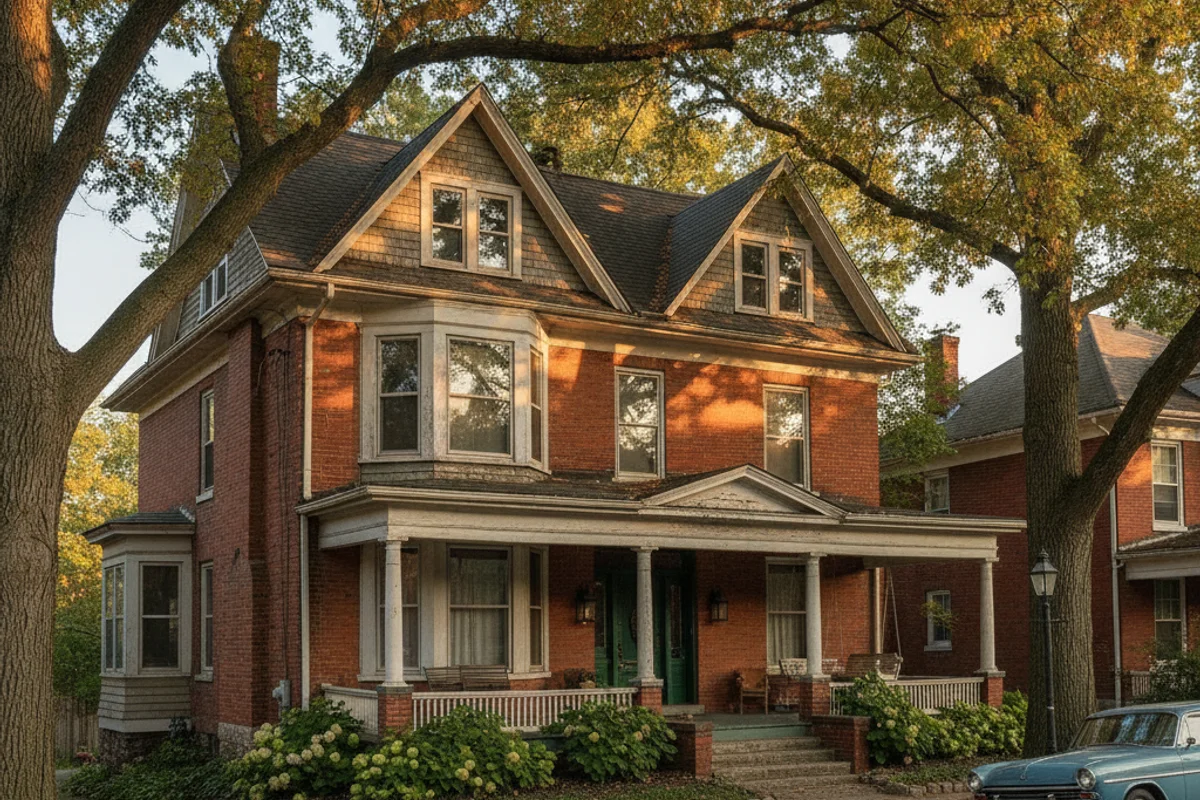
You inherited a house in Pittsburgh. Maybe it was your parents’ home in Squirrel Hill, a grandparent’s rowhouse in Lawrenceville, or a property on a quiet Brookline street you visited every holiday. Whatever the case, you’re now holding a major asset during what is probably one of the harder seasons of your life. If you’re trying to sell your inherited house in Pittsburgh, this guide walks you through every step, including probate, taxes, renovation decisions, and why so many heirs in your situation are choosing a cash sale over the traditional listing route.
What to Do When You Inherit a House in Pittsburgh
Take a breath first. Seriously. There’s no rule that says you have to make a decision in the first week. But there are a few things you’ll want to handle relatively quickly to protect the property and understand your options before carrying costs start stacking up.
Here’s a practical starting checklist:
- Secure the property. Change the locks, make sure utilities are on, and notify the homeowner’s insurance company right away. An unoccupied home can void coverage if the insurer isn’t informed, and Pittsburgh winters are hard on empty houses.
- Locate the will and any estate documents. These will determine whether probate is required and who has legal authority to act on behalf of the estate. If you can’t find a will, an estate attorney can advise you on intestate succession under Pennsylvania law.
- Get an independent appraisal or market valuation. Pittsburgh’s median home price sits around $240,000, but values vary widely by neighborhood. A Brookline bungalow and a Shadyside Victorian are in completely different price brackets, and knowing the real number matters for tax planning.
- Talk to an estate attorney early. Especially if there are multiple heirs, out-of-state family members, or no clear will, getting legal guidance early saves you from expensive missteps down the road. Many Pittsburgh estate attorneys offer a free or low-cost initial consultation.
- Notify relevant parties. The mortgage lender (if there’s still a loan), utility companies, and the Allegheny County property tax office should all know about the change in ownership status. This protects you from penalties and keeps the property in good standing while you sort out next steps.
If you’re an out-of-state heir managing a Pittsburgh property remotely, this process gets more complicated fast. You’ll need someone local you trust, whether that’s a property manager, an estate attorney, or a cash buyer who can handle the logistics without requiring you to fly in repeatedly. The Pittsburgh real estate market is stable right now with moderate inventory, which gives you a little breathing room to be deliberate rather than reactive.
Get Your Free Cash Offer Today
No fees. No repairs. Close in as little as 7 days.
Understanding Pennsylvania Probate and Inherited Property
Probate is the legal process that validates a will and gives the executor authority to manage and distribute the estate’s assets. In Pennsylvania, this process runs through the Register of Wills in Allegheny County for Pittsburgh properties. You’ll file there to open the estate, receive Letters Testamentary (the document that gives you legal authority to act), and begin the process of inventorying and distributing assets.
Pennsylvania offers two main paths through the probate process:
Simplified (Small Estate) Procedure: If the estate’s total value is under $50,000 and doesn’t include real estate, heirs may petition for a simplified process. For most Pittsburgh homes at or near the $240,000 median, this route won’t apply.
Formal Probate: This is the standard route for estates that include real property. Expect a realistic timeline of 6 to 12 months in Allegheny County, sometimes longer if the will is contested, if there are significant debts to resolve, or if the estate involves multiple properties or complex assets.
One common question heirs ask: can you sell the house before probate is done? The short answer is usually no. The property can’t legally transfer to a new buyer until the court confirms who has authority to sell. However, an executor can sometimes list and even accept an offer during probate, with the actual closing happening once the estate is settled. This matters if you want to get the process moving without sitting idle for a year. A cash buyer experienced in Pennsylvania estate sales understands this timeline and won’t walk away because of paperwork delays, which is something traditional buyers with financing contingencies often do.
For a complete guide, read our resource on selling your house in Pittsburgh.
The Hidden Costs of Keeping an Inherited Pittsburgh Home
This is the part people don’t think about until the bills start arriving. Holding onto an inherited property isn’t free, and in Pittsburgh’s climate where winters are long, wet, and genuinely brutal on older homes, the costs add up faster than most heirs expect.
Here’s what you’re likely paying every month you hold the property:
- Property taxes. Allegheny County property taxes vary by municipality. For a home assessed at $240,000, you could be looking at $3,000 to $5,000 or more annually depending on the local millage rate. In some Pittsburgh suburbs, that number climbs higher.
- Homeowner’s insurance. An unoccupied home often requires a specialty vacant property policy, which costs significantly more than a standard owner-occupied policy. Expect to pay 25% to 50% more than the previous owner did.
- Utilities. Keeping the heat on through a Pittsburgh winter to prevent frozen pipes is not optional. It’s a real and recurring expense, especially in older homes with inefficient heating systems common in neighborhoods like Beechview and Mount Washington.
- Maintenance and emergency repairs. Pittsburgh’s older housing stock frequently comes with deferred maintenance. A leaky roof doesn’t pause while you decide what to do with the property. A single winter storm can turn a $500 repair into a $5,000 water damage claim.
- Lawn care and exterior upkeep. Local ordinances in Pittsburgh and Allegheny County municipalities require maintained properties. Overgrown lawns and deteriorating exteriors can result in code violations and fines that become the estate’s liability.
- HOA fees. If the property is part of a community with a homeowners association, dues continue whether you’re living there or not. Missed payments can result in liens against the property.
Every month you delay a decision is a month you’re spending money on a property that isn’t generating income for anyone. For out-of-state heirs especially, that financial drain can feel invisible until it becomes significant. Running the monthly numbers honestly often changes the conversation around whether to hold, renovate, or sell quickly.
Find Out What Your Home Is Worth
Get a no-obligation cash offer in 24 hours.
Should You Renovate Before Selling? A Realistic Look at the Numbers
This is the question almost every heir wrestles with. The house might be dated, worn, or in genuine disrepair. It’s tempting to think that putting money into it will mean more money out. Sometimes that’s true. More often, for inherited properties in particular, it isn’t.
Here’s a side-by-side look at your two main options:
| Factor | Renovate Then List | Sell As-Is for Cash |
|---|---|---|
| Upfront cost | $15,000 to $60,000+ depending on scope | $0 |
| Time to sell | 4 to 7 months (renovation + 103 avg. days on market) | 7 to 21 days after probate clears |
| Agent commissions | 5% to 6% of sale price | None |
| Carrying costs during renovation | Yes, ongoing monthly | None |
| Risk of over-improving | High in certain neighborhoods | None |
| Predictability | Low (budget overruns are extremely common) | High (firm offer upfront) |
| Inspection and financing contingencies | Yes, buyers can walk | None |
| Emotional energy required | Significant, months of decisions | Minimal |
The renovation path can make sense if the property sits in a high-demand Pittsburgh neighborhood like Lawrenceville or Squirrel Hill, the scope of work is genuinely limited, and you have both the capital and the bandwidth to manage contractors from potentially hundreds of miles away. But for most heirs dealing with grief, family dynamics, and competing life priorities, the math rarely justifies the added stress and uncertainty.
You can read a detailed comparison of cash offers versus listing with a realtor in Pittsburgh to see how the real numbers stack up on a typical Pittsburgh home sale. The commission savings and carrying cost reduction alone often close the gap between a renovated listing price and a cash offer significantly.
Tax Implications of Selling Inherited Property in Pennsylvania
Taxes on inherited property are more favorable than most people expect at the federal level, but Pennsylvania adds its own layer. Understanding both sides before you sell is worth the time.
Stepped-Up Cost Basis. At the federal level, when you inherit a property, your cost basis is “stepped up” to the fair market value at the date of the original owner’s death, not what they originally paid for it. According to IRS guidance on inherited property, this means if a home was worth $240,000 when your parent passed and you sell it for $248,000 six months later, your taxable capital gain is only $8,000, not the full appreciation from when they bought it 35 years ago. For most heirs who sell relatively quickly, federal capital gains exposure is minimal.
Pennsylvania Inheritance Tax. This is a state-level tax that Pennsylvania charges on the transfer of assets from a deceased person. The rate depends on your relationship to the deceased:
- Children and other lineal heirs (grandchildren, parents): 4.5%
- Siblings: 12%
- All other heirs: 15%
- Surviving spouses and qualifying charities: Fully exempt
This tax is typically paid from the estate itself, not out of pocket by the heir, and is due within nine months of the date of death. Pennsylvania does offer a 5% discount if the tax is paid within three months, which can be worth thousands of dollars on a property near the median value.
Long-Term Capital Gains Exposure. If you hold the inherited Pittsburgh home for more than a year and it appreciates beyond the stepped-up basis, you may owe long-term capital gains tax on the difference when you eventually sell. Selling sooner, especially near the date-of-death valuation, typically minimizes this exposure.
Work with a CPA or tax attorney who knows Pennsylvania estate law before you close. The combination of state inheritance tax and federal capital gains rules is manageable, but the interaction between them is genuinely complex and worth professional guidance.
How to Sell Your Inherited Pittsburgh Home Fast for Cash
Once probate clears and you have legal authority to sell, a cash sale is by far the fastest and simplest path forward for most heirs. Pittsburgh’s traditional real estate market averages 103 days on market according to Redfin’s Pittsburgh market data, and that figure doesn’t count the weeks of prep, cleaning, staging, showings, negotiations, inspections, and appraisal contingencies that precede it. For a grieving family or an out-of-state heir, that’s a long time to stay emotionally and financially tethered to a difficult situation.
Pittsburgh cash home buyers work differently from traditional buyers. Here’s what the process typically looks like when you’re ready to move forward:
- Contact a cash buyer and share basic details about the property. No need to clean, stage, repair, or even remove belongings if you don’t want to.
- Receive a no-obligation cash offer, often within 24 hours. The offer accounts for the property’s current condition, so there are no surprise deductions after an inspection.
- Review and accept the offer on your timeline. There’s no pressure to decide immediately.
- The buyer handles title work and closing logistics. You don’t need to coordinate contractors, real estate agents, or open houses.
- Close in as little as 7 to 21 days, depending on how quickly the estate paperwork is finalized on your end.
There are no agent commissions, no open houses, no financing contingencies that fall through at the last minute, and no drawn-out negotiation process. Pennsylvania’s seller disclosure requirements still apply to inherited properties, but experienced cash buyers will walk you through exactly what’s needed and handle most of the paperwork themselves.
Roughly 16% of Pittsburgh home sales already close as cash transactions, and for inherited properties specifically, that percentage is even higher. When you’re trying to close a chapter and move your family forward, simplicity and certainty have real, measurable value.
It’s also worth knowing that if holding costs are already straining the estate, a fast sale prevents the situation from compounding. If you’ve read about how to avoid foreclosure in Pittsburgh and worry that missed mortgage payments on the inherited property could create additional problems, a cash sale timeline that closes in weeks rather than months can protect the estate’s equity before it erodes further.
We also work with heirs selling inherited properties across Pennsylvania, including in Philadelphia and Allentown. Whether the property is across the city or across the state, the process works the same way. If you want to see how cash offers compare to a traditional listing in detail, the Philadelphia cash offer versus realtor breakdown walks through real numbers that translate directly to the Pittsburgh market as well.
When you’re ready to find out what your home is actually worth to a cash buyer, get your cash offer with no pressure, no obligation, and no cost. Or if you’re still weighing all your options, explore the full range of sell a house in Pennsylvania resources to understand what’s available to you before you decide.
Losing someone is hard enough. You deserve a clear, honest path forward, and you deserve to make this decision on your terms.
We also help homeowners in Pittsburgh dealing with divorce, foreclosure, and selling as-is situations.
Ready to Sell? Let's Talk.
Get your cash offer now. No obligation, no hassle.

James is a Senior Writer at NestCash, specializing in housing market coverage and consumer-focused real estate guidance. Reporting across 12 states, he helps readers make informed decisions with clear, trustworthy insights.