Cash Offer Vs Listing With Realtor Pittsburgh: See Real Numbers
Compare actual net proceeds from cash offers vs realtor listings in Pittsburgh. See detailed cost breakdowns, timelines, and real scenarios to make your decision.

Senior Writer, NestCash··10 min read
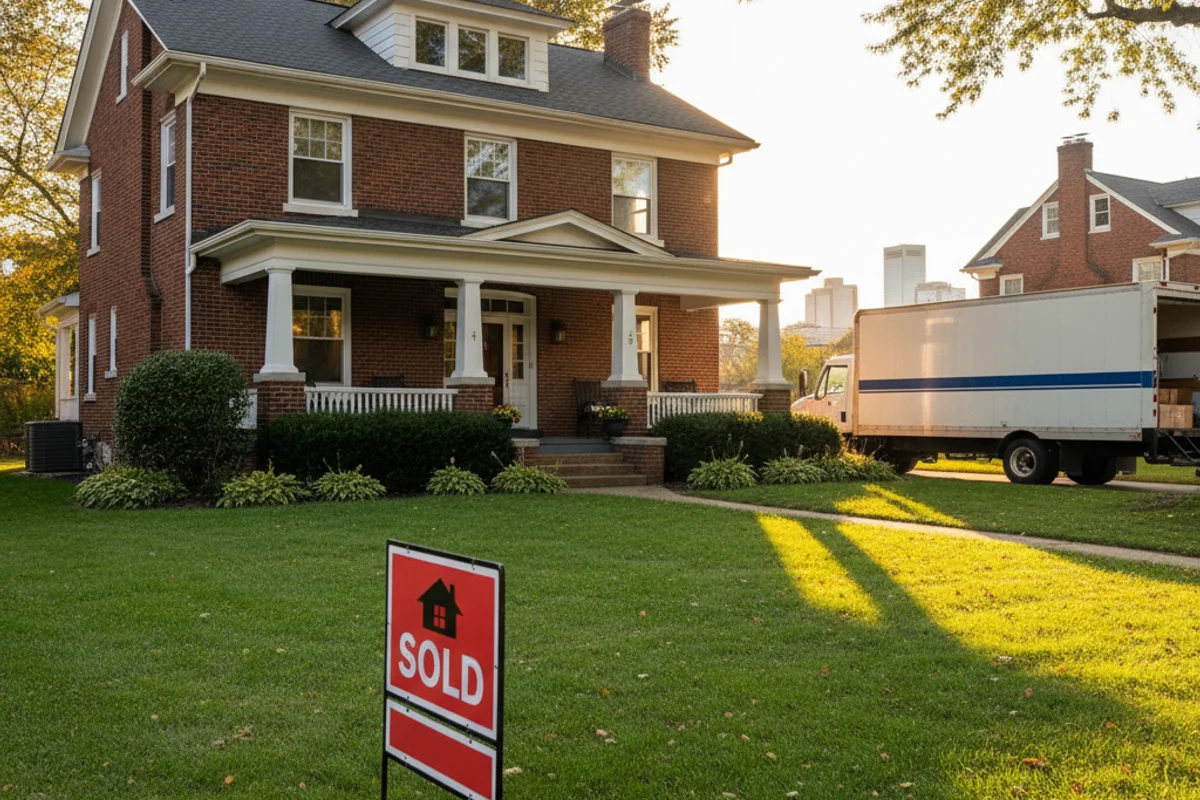
Pittsburgh’s current list-to-sale price ratio sits at 98.4%, meaning homes sell remarkably close to asking price. That number tells you something important about choosing between a cash offer and listing with a realtor in Pittsburgh: this isn’t a market where you’ll see dramatic bidding wars that substantially exceed your list price, which changes how you should evaluate your selling options.
In markets where homes routinely sell for 5-10% over asking, traditional listings become more compelling. But in Pittsburgh’s stable environment, the math between cash and listing gets much closer than most sellers initially assume.
Let’s examine the actual numbers so you can make an informed decision about your home.
What Pittsburgh’s Current Market Tells You About Your Best Option
Pittsburgh’s median home price of $235,000 combined with 45 days on market creates a specific financial equation. The moderate inventory level means you won’t struggle to attract buyers, but you also won’t benefit from the urgency that drives up prices in tighter markets.
Here’s what you actually keep with each option for a median-priced Pittsburgh home:
| Cost Item | Traditional Listing | Cash Offer |
|---|---|---|
| Sale/Offer Price | $235,000 | $199,750 (85%) |
| Agent Commission (6%) | -$14,100 | $0 |
| Seller Closing Costs (3%) | -$7,050 | $0 |
| Pre-Listing Repairs | -$4,700 | $0 |
| Buyer Concessions | -$3,500 (avg) | $0 |
| Inspection Repairs | -$2,800 (avg) | $0 |
| Carrying Costs (75 days) | -$2,100 | $0 |
| Net Proceeds | $200,750 | $199,750 |
| Timeline | 75-90 days | 7-14 days |
The gap is roughly $1,000 for the median home. That’s significantly narrower than most Pittsburgh sellers expect.
The math shifts based on your specific situation. If your home needs minimal work and you can wait three months without carrying costs, traditional listing might net you $5,000-$10,000 more. If you’re paying a mortgage, utilities, and maintenance on a vacant property, those carrying costs quickly erase any listing advantage.
The National Association of Realtors reports that homes requiring significant updates typically sell for 8-12% below comparable move-in-ready properties. That gap matters when calculating your realistic list price.
Get Your Free Cash Offer Today
No fees. No repairs. Close in as little as 7 days.
Related Video
How Pittsburgh Inventory Levels Affect Your Cash vs. Listing Decision
Moderate inventory creates what real estate professionals call a balanced market. You won’t see the feeding frenzy of a seller’s market, but you also won’t watch your home sit for months in a buyer’s market.
For traditional listings, this means you’ll likely receive offers within that 45-day window, but probably not multiple offers that drive up your price. The data shows that homes in Squirrel Hill, Shadyside, and Lawrenceville move faster than the city average, often attracting multiple showings within the first two weeks.
In neighborhoods like Homewood or parts of the North Side, that timeline extends. Properties there frequently sit for 60-75 days before accepting an offer.
When you sell a house fast in Pittsburgh through cash buyers, inventory levels become irrelevant. You’re not competing with other listings. You’re simply accepting or declining a specific offer for your property.
This distinction matters most when you’re operating on a deadline. Job relocations, inherited properties, or financial pressure create situations where waiting 75 days isn’t viable. The stable market helps traditional sellers, but it doesn’t accelerate the process.
Pittsburgh cash home buyers can close in 7-14 days regardless of market conditions because they’re not dependent on appraisals, inspections, or mortgage approvals.
The Pennsylvania Seller’s Net Sheet: Traditional vs. Cash
Let’s break down every cost category so you understand where your proceeds go with each option.
Agent Commission: This is your largest expense with traditional listings. At 6%, you’re paying $14,100 on a $235,000 sale. Some agents negotiate lower rates, but 5-6% remains standard in Pittsburgh. This fee covers both your listing agent and the buyer’s agent.
Closing Costs: According to Bankrate’s analysis of closing costs by state, Pennsylvania sellers typically pay 2-3% in closing costs. This includes title insurance, transfer taxes, recording fees, and prorated property taxes. For a $235,000 home, expect $4,700-$7,050.
Repairs and Updates: The average Pittsburgh seller invests $4,700 in pre-listing repairs. This covers fresh paint, minor plumbing fixes, landscaping, and addressing obvious issues that would concern buyers. If you skip these repairs, you’ll likely reduce your sale price by more than the repair cost.
Inspection-Related Repairs: After accepting an offer, the buyer’s inspection typically reveals issues requiring attention. Sellers in Pittsburgh average $2,800 in inspection-related repairs or credits. Sometimes buyers request significant credits that reduce your net proceeds.
Buyer Concessions: In Pittsburgh’s balanced market, buyers frequently request 1-2% in closing cost assistance. That’s another $2,350-$4,700 off your net.
Carrying Costs: From listing to closing, you’ll spend 75-90 days maintaining the property. Mortgage payments, utilities, insurance, lawn care, and maintenance add up. For a typical Pittsburgh property, budget $700-$1,000 monthly in carrying costs.
Pennsylvania requires sellers to complete the Seller’s Property Disclosure Statement for both traditional and cash sales. This disclosure doesn’t cost money, but failing to disclose known issues can create legal liability.
When you sell a house in Pennsylvania for cash, all these costs disappear. You receive a single offer number, and that’s what you net at closing. No surprises, no negotiations, no repair requests after inspection.
Find Out What Your Home Is Worth
Get a no-obligation cash offer in 24 hours.
Buyer Pool Differences: Cash vs. Financed Buyers in Pittsburgh
Traditional listings attract buyers who need mortgage financing. These buyers bring specific requirements and contingencies that affect your sale.
First, the property must appraise at or above the purchase price. If you accept a $235,000 offer and the appraisal comes back at $228,000, the deal falls apart unless the buyer brings extra cash or you reduce the price. Appraisal issues affect roughly 10% of Pittsburgh sales.
Second, the buyer must actually qualify for their loan. Initial pre-approvals don’t guarantee final loan approval. Job changes, credit issues, or problems discovered during underwriting can kill deals at the last minute. About 8% of financed offers fall through before closing.
Third, financed buyers conduct thorough inspections and often request repairs or credits. You’ll negotiate twice: once on the initial price, and again after inspection.
Cash buyers eliminate all these contingencies. When cash home buyers in PA make an offer, they’re purchasing the property as-is. No appraisal requirement. No financing contingency. No inspection negotiations.
The tradeoff is accepting 80-90% of market value. You’re essentially paying 10-20% for certainty, speed, and convenience.
For sellers with properties in excellent condition, this tradeoff often doesn’t make sense. Your home will likely attract multiple financed offers near asking price, and deals will close smoothly.
For sellers with properties needing work, deferred maintenance, or unusual characteristics that complicate financing, cash offers become more attractive. You avoid the uncertainty of whether a financed buyer’s lender will even approve a loan on your property.
Pittsburgh’s housing stock includes many pre-1950 homes in neighborhoods like Polish Hill, Bloomfield, and the South Side. These older homes often present financing challenges that make cash sales smoother.
Timing the Pittsburgh Market: Does It Help Traditional Sellers?
Pittsburgh’s real estate market follows predictable seasonal patterns. Spring and early summer bring peak activity. Homes listed in April through June receive more showings and sell faster than winter listings.
If you’re listing traditionally and have flexibility on timing, waiting for spring makes sense. You’ll likely sell closer to asking price and reduce your days on market from 45 to perhaps 30-35.
But timing the market requires patience and carrying costs. If you’re paying $800 monthly to maintain a vacant property, waiting four months for spring costs $3,200 in carrying costs. That erases much of the seasonal pricing advantage.
Cash sales ignore seasonal patterns entirely. July, December, or March makes no difference to your timeline or offer amount.
The stable market trend in Pittsburgh means you’re not racing to sell before values drop. But you’re also not waiting for significant appreciation. The market moves predictably, about 2-3% annually based on recent trends.
For quick home sale scenarios in Pennsylvania, particularly involving inherited properties or job relocations, seasonal timing becomes irrelevant. You need to close on your timeline, not the market’s ideal season.
Similar patterns affect other Pennsylvania markets. Sellers exploring options in Philadelphia or Allentown see comparable seasonal variations but different price points and days-on-market averages.
Your Pittsburgh Selling Decision: A Practical Framework
Start by calculating your actual walkaway number with each option using your specific property and circumstances.
Step One: Determine Your Realistic List Price
Don’t use Zillow or Redfin estimates. Get a comparative market analysis from a local agent or appraiser familiar with your specific Pittsburgh neighborhood. If you’re in Highland Park, your pricing looks different than Penn Hills.
Adjust that price downward if your home needs repairs. Buyers discount aggressively for deferred maintenance.
Step Two: Calculate Traditional Sale Net Proceeds
Take your realistic list price and subtract:
- 6% agent commission
- 3% closing costs
- Estimated pre-listing repairs
- Likely inspection credits ($2,000-$4,000)
- Buyer concessions (1-2% of price)
- Carrying costs for 90 days
Be honest about carrying costs. If you’re maintaining two properties because you already bought your next home, those costs are real and substantial.
Step Three: Get an Actual Cash Offer
Don’t estimate what cash buyers might offer. Get your cash offer from multiple buyers to see actual numbers. Offers vary based on your property’s condition, location, and the buyer’s investment criteria.
Reputable cash buyers provide written offers within 24-48 hours after seeing your property. Be suspicious of anyone requiring fees upfront or asking for deposits.
Step Four: Compare Total Timeline
How quickly do you need proceeds? If you’re facing foreclosure, managing a probate situation, or relocating for work, timeline might outweigh maximizing proceeds.
A traditional sale taking 90 days means three months of carrying costs, three months of stress managing showings and negotiations, and three months of uncertainty about whether your deal will actually close.
Step Five: Factor Your Risk Tolerance
Cash offers provide certainty. Traditional sales involve multiple opportunities for deals to fall apart. About 18% of accepted offers fail to close due to financing issues, inspection problems, or buyer cold feet.
If you need guaranteed proceeds by a specific date, that certainty has real value.
Three Real Pittsburgh Scenarios
Consider these actual seller situations:
Scenario One: Sarah inherited her mother’s home in Brookline. The property needs a new roof ($8,500), updated electrical ($4,200), and cosmetic work throughout. She lives in Cleveland and can’t manage renovation projects remotely. A traditional listing might net $210,000 after repairs and commissions. A cash offer of $195,000 nets the same after accounting for avoided repair costs. She closes in 10 days and returns to Cleveland.
Scenario Two: Michael owns a fully updated home in Mount Lebanon. His property shows perfectly and needs nothing. He’s not in a rush since he doesn’t move until his new home finishes construction in four months. He lists for $265,000, receives an offer at $262,000, and nets $240,000 after all costs. The higher price point and excellent condition make traditional listing clearly superior.
Scenario Three: Jennifer bought a flip project in Lawrenceville that didn’t work out. She’s carrying two mortgages and bleeding $1,400 monthly. Every month she waits costs real money. A cash offer at $215,000 closes in nine days. A traditional listing might net $223,000 but takes 75 days, costing $3,500 in carrying costs. She accepts the cash offer and nets effectively the same amount without the stress.
Notice how each scenario produces a different optimal choice. There’s no universal right answer. Your specific circumstances determine which path makes financial sense.
If you’re exploring alternatives to traditional listings, you might also consider options to sell your house as-is in Pittsburgh, which can attract both cash buyers and some traditional buyers willing to purchase properties needing work.
Making Your Decision
Get real numbers for your property. Don’t rely on national averages or generic advice. Request a cash offer even if you’re leaning toward listing. Having both options quantified removes guesswork.
Consider consulting with a real estate attorney before accepting any offer. Pennsylvania’s disclosure requirements and contract terms matter, and an attorney’s $300-$500 fee provides valuable protection.
If you decide a cash sale makes sense, verify the buyer’s legitimacy. Check reviews, ask for references, and confirm they have funds available to close. Reputable companies will provide proof of funds and won’t pressure you to decide immediately.
The Pittsburgh market’s stability means you’re not making a time-sensitive decision based on rapidly changing conditions. Take the time to get accurate information, run the numbers for your specific property, and choose the path that aligns with your financial goals and timeline.
Both options work. The question isn’t which is universally better, but which is better for your particular situation right now.
For more details, see our guide on cash offer vs listing in Allentown.
NestCash works with Pittsburgh homeowners dealing with divorce, foreclosure, inherited properties, and homes that need to sell as-is every single day.
Ready to Sell? Let's Talk.
Get your cash offer now. No obligation, no hassle.

James is a Senior Writer at NestCash, specializing in housing market coverage and consumer-focused real estate guidance. Reporting across 12 states, he helps readers make informed decisions with clear, trustworthy insights.