Sell Your House As Is in Pittsburgh: Trusted Buyers, Fast Close
Selling your house as is in Pittsburgh? Get competitive cash offers without repairs. Learn what as-is really means and how to net more in 7-14 days.

Head of Sales, NestCash··12 min read
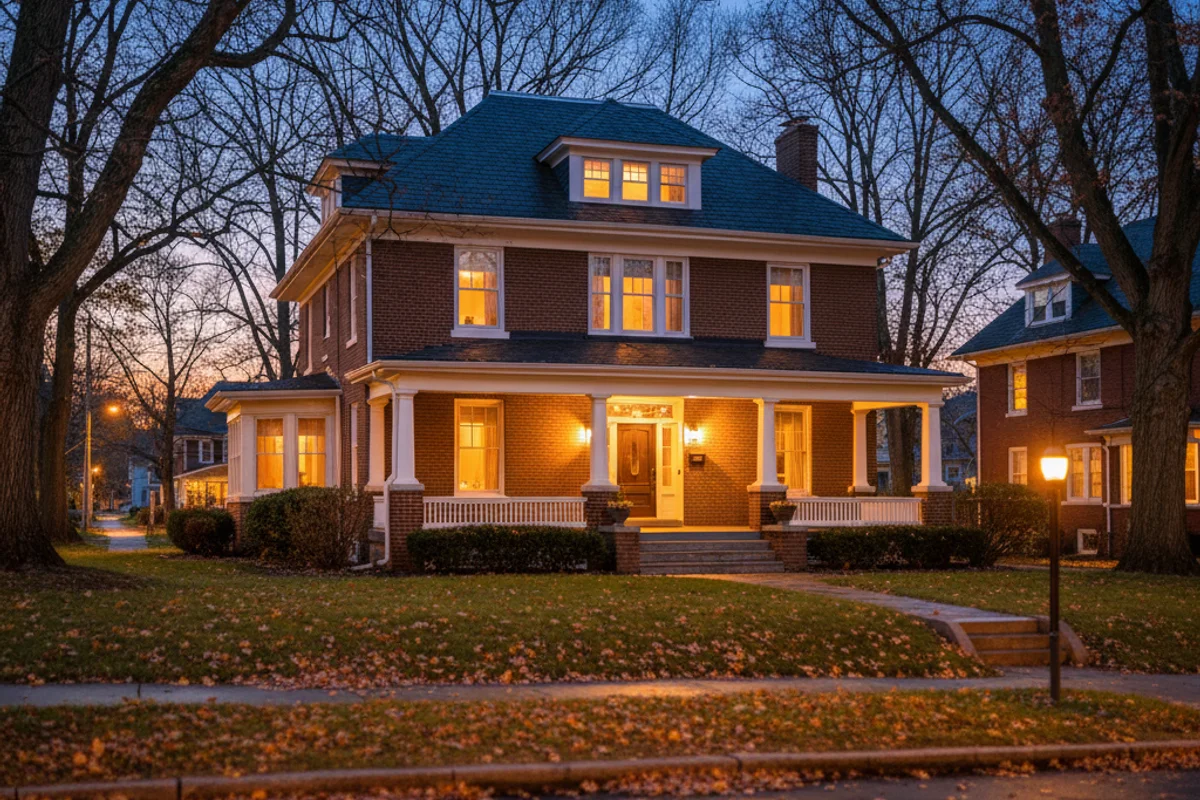
Here’s the biggest myth about selling as is: you’re not giving your house away. That’s what most Pittsburgh homeowners believe when they first hear “as-is sale,” but it’s simply not true. When you sell your house as is in Pittsburgh, you’re choosing a different transaction path that often nets you similar money in a fraction of the time. Cash buyers calculate offers based on actual repair costs and current market value, not arbitrary lowball formulas.
The reality is that 23% of Pittsburgh home sales happen through cash transactions, and many of those involve as-is properties. With the median home price sitting at $235,000 and traditional sales taking 45 days just to find a buyer, the as-is route makes financial sense for more sellers than you’d think.
Let’s clear up what’s real and what’s fiction when it comes to selling your Pittsburgh home without making repairs.
5 Myths About Selling a Pittsburgh Home As Is
Myth 1: Cash offers are always 50% of your home’s value.
This one gets repeated so often that sellers avoid even getting an offer. The truth is that Pittsburgh cash home buyers typically offer 70-85% of your home’s after-repair value. The gap covers actual repair costs, transaction expenses, and a reasonable profit margin.
Myth 2: Only desperate sellers or distressed properties go the as-is route.
Myth 3: You have zero negotiating power in an as-is sale.
This myth assumes you’re stuck with the first offer you receive. Not true. Working with Pittsburgh cash home buyers means you’re still negotiating terms, closing dates, and which items stay with the property.
Myth 4: Cash buyers use shady tactics or last-minute price drops.
Ask for references. Check online reviews. Look for buyers who operate in Pennsylvania with established track records. Companies buying homes in multiple markets like Allentown often have more experience and better reputations.
Myth 5: As-is sales take just as long as traditional sales anyway.
If you’re facing foreclosure or need to relocate quickly, that speed difference isn’t just convenient. It’s essential. The same strategies that help homeowners sell their house as is in Allentown work in Pittsburgh when timing matters.
Get Your Free Cash Offer Today
No fees. No repairs. Close in as little as 7 days.
Related Video
How Pennsylvania Defines “As Is” in a Real Estate Sale
Pennsylvania law doesn’t have a specific statutory definition of “as is,” but the concept is well established in real estate practice. When you sell as is, you’re selling the property in its current condition without making repairs or improvements before closing.
What as-is doesn’t mean: you can hide problems or skip required disclosures. Pennsylvania’s Seller Disclosure Law requires you to complete a Property Disclosure Statement revealing known defects. This includes structural issues, water damage, roof problems, or anything else that could affect the property’s value or safety.
The disclosure protects both parties. Buyers know what they’re getting into. Sellers are protected from future liability claims as long as they disclose honestly. Failing to disclose known problems can lead to legal action even in an as-is sale.
Here’s how it works practically. You fill out the disclosure form listing every issue you know about. The buyer reviews it and makes an offer based on that information. Once they accept the property’s condition, they can’t come back later demanding repairs or credits.
The key phrase is “known defects.” You’re not required to conduct inspections to discover problems. But if your basement flooded last spring or you know the furnace is on its last legs, you must disclose it. Most cash buyers appreciate honest disclosure because it eliminates surprises.
As-is clauses typically appear in the purchase agreement language. Standard Pennsylvania real estate contracts include provisions for as-is sales. Your buyer’s contract should clearly state they’re accepting the property in its current condition and waiving their right to request repairs.
Some buyers still conduct inspections even in as-is sales, but they’re doing it for their own information, not to renegotiate. This protects them from completely hidden issues while still honoring the as-is agreement for known conditions.
Step-by-Step: How an As-Is Cash Sale Works in Pittsburgh
Step One: You request a cash offer.
You contact a cash buyer and provide basic information about your property. Address, approximate square footage, number of bedrooms and bathrooms, and a general description of condition. This initial conversation takes 10-15 minutes and you can do it by phone or online form.
Most buyers ask about your timeline and motivation. This isn’t nosiness. It helps them understand if they’re a good fit for your situation. Someone needing to close in 10 days requires different terms than someone exploring options.
Step Two: Property walkthrough happens within 24-48 hours.
A buyer representative visits your Pittsburgh home to assess its condition. They’re looking at the major systems like HVAC, plumbing, electrical, foundation, and roof. They’re also noting cosmetic issues, layout, and neighborhood factors.
This isn’t a formal inspection with written reports. It’s an evaluation to calculate repair costs accurately. The walkthrough typically takes 30-45 minutes. You can be present or not, your choice. Some sellers prefer to be there to point out issues and answer questions. Others would rather not.
Step Three: You receive a written cash offer within 24-72 hours.
The buyer sends a formal written offer specifying the purchase price, proposed closing date, and any conditions. Reputable buyers include no contingencies for financing or inspection because they’re buying with cash and accepting current condition.
Review the offer carefully. Look at the net amount you’ll receive after any fees. Most legitimate cash buyers don’t charge fees to sellers, but confirm this. Compare the closing timeline to your needs.
You’re under no obligation to accept. This is your chance to negotiate the price or closing date, request multiple offers from different buyers, or decline entirely.
Step Four: You accept and choose your closing date.
Once you accept an offer, you work with the buyer to select a closing date that fits your schedule. Need two weeks to pack and arrange moving? Not a problem. Need to close in seven days to sell your house as is in Philadelphia? Most cash buyers can accommodate that too.
The buyer orders a title search through a title company. This verifies you own the property free of liens (or identifies what liens need to be paid at closing). Title work typically takes 7-10 days but can be expedited if needed.
Step Five: Closing day arrives.
You meet at the title company or attorney’s office to sign paperwork. The closing process takes about an hour. You’ll sign the deed transferring ownership, settlement statements showing all financial details, and various other required documents.
Once everything is signed and recorded, you receive your payment. Most sellers choose wire transfer for immediate access to funds. Some prefer cashier’s check. Either way, you walk out with the proceeds from your sale.
The buyer takes possession according to the terms you agreed to, usually immediately after closing. You’re done with the property and can move forward with whatever comes next.
For a complete guide, read our resource on selling your house as is in Pittsburgh.
Find Out What Your Home Is Worth
Get a no-obligation cash offer in 24 hours.
What Inspections Still Happen in an As-Is Sale
Even in as-is transactions, some inspections may still occur. Understanding which ones and why helps you prepare appropriately.
Buyer’s optional inspection: Many cash buyers conduct their own inspection even though they’re not using it to renegotiate. They want to understand fully what they’re buying and plan renovation budgets accurately. This inspection happens before closing but doesn’t create new negotiation points since the as-is agreement stands.
Lender-required inspection: If your buyer is using any financing (some “cash” buyers actually use private money that requires inspections), their lender may require specific inspections. This is less common in true cash sales but worth confirming.
Title company requirements: The title company ensuring your transaction wants to verify the property’s legal status. This isn’t a physical inspection but a legal one, checking for liens, easements, or title issues that could affect the sale.
Municipal inspections: Some Pittsburgh neighborhoods require occupancy inspections or certificates of occupancy for property transfers. These vary by area and property type. Your buyer typically handles scheduling these, but you should be aware they might happen.
Termite and pest inspections: Pennsylvania sellers aren’t required by state law to provide termite inspections, but some buyers request them even in as-is sales. The difference is they’re gathering information, not demanding treatment.
The key difference between as-is and traditional sales is what happens after inspections. In traditional sales, buyers use inspection results to demand repairs or price reductions. In as-is sales, inspections inform buyers but don’t change the agreed price or terms.
You should still prepare your home to be accessible for these inspections. Clear pathways to the attic, basement, and mechanical systems. Make sure inspectors can access the furnace, water heater, and electrical panel. This courtesy keeps the transaction moving smoothly.
Comparing Net Proceeds: As Is vs. Repaired in Pittsburgh
Let’s run actual Pittsburgh numbers using a median-priced home in Squirrel Hill.
Scenario: Three-bedroom home, needs $35,000 in repairs (roof, HVAC, kitchen updates)
Option A: Traditional Sale After Repairs
- Current as-is value: $200,000
- Repair costs: $35,000
- After-repair value: $235,000
- Time to complete repairs: 8 weeks
- Time on market: 45 days (Pittsburgh average)
- Agent commissions (6%): $14,100
- Holding costs during repairs and sale (4 months): $6,000
- Closing costs (2%): $4,700
- Net proceeds: $175,200
- Total timeline: 6 months
Option B: As-Is Cash Sale
- Current as-is value: $200,000
- Cash offer (75% of ARV): $176,250
- Repair costs: $0
- Holding costs: minimal (close in 10 days)
- Agent commissions: $0
- Seller closing costs: $1,500 (title insurance, transfer tax)
- Net proceeds: $174,750
- Total timeline: 10 days
The difference? $450 in favor of the traditional sale, but it takes 6 months longer and requires you to manage contractors, live through renovations, and handle the stress of listing. For many Pittsburgh sellers, that $450 isn’t worth the extra time and hassle.
The numbers shift dramatically if your home needs more extensive repairs. A property requiring $60,000 in work might only be worth $215,000 after repairs. Subtract commissions, holding costs, and closing expenses and your net could actually be lower than an as-is cash offer.
Location also matters. South Side properties in trendy areas might see stronger traditional sales because buyers want specific features. Homes in neighborhoods with lower demand might sit longer, increasing your holding costs and potentially requiring price reductions.
Consider your personal situation too. If you’re relocating for work and your employer is covering moving costs, the speed of a cash sale might be worth accepting slightly less. If you’re managing an inherited property from out of state, avoiding months of contractor management has clear value.
The financial comparison isn’t just about the final number. It’s about time, stress, risk, and opportunity cost. What else could you do with that money if you had it today instead of six months from now?
How to Request a Cash Offer on Your Pittsburgh Home
Getting started is straightforward. When you’re ready to sell your house fast in Pittsburgh, here’s exactly what to do.
Gather basic property information. You don’t need a formal appraisal, but know your home’s approximate square footage, lot size, number of bedrooms and bathrooms, and year built. The Allegheny County property records website has most of this information if you’re not sure.
List the major issues you’re aware of. Foundation cracks, roof age, HVAC condition, plumbing problems, or needed updates. Honest disclosure upfront leads to accurate offers and smoother transactions.
Contact reputable cash home buyers. Look for companies with Pittsburgh experience, positive reviews, and transparent processes. When you get your cash offer, you should receive clear information about timelines and what happens next.
Ask questions during initial contact. How long have they operated in Pennsylvania? Can they provide references? What’s their typical timeline from offer to closing? Do they charge any fees to sellers?
Request multiple offers if you want comparison. There’s no rule saying you must work with the first buyer you contact. Getting 2-3 offers helps you understand market value and ensures you’re getting competitive pricing.
Just be respectful of buyers’ time. If you request an offer, review it seriously. Asking for offers with no intention of selling wastes everyone’s time and energy.
Review offers carefully. Look beyond just the purchase price. Consider the closing timeline, any contingencies, and whether the buyer requires any actions from you before closing. The highest offer isn’t always the best if it comes with difficult terms.
Check whether the buyer covers typical seller closing costs like title insurance and transfer taxes. Some buyers cover everything, others split costs. Factor this into your net proceeds calculation.
Accept and schedule closing. Once you accept an offer, you’ll sign a purchase agreement and select a closing date. The buyer handles most of the work from this point forward, ordering title work and coordinating with the title company.
Your main task is preparing to vacate the property by closing. Pack your belongings, arrange moving logistics, and coordinate utility transfers. Most buyers are flexible about leaving some items if you need to, but confirm this beforehand.
The Pennsylvania state resources page has additional information about selling property in the Commonwealth if you want to learn more about the general process.
If you’re in nearby areas, similar services exist throughout the region. Cash buyers operate in cities like Allentown across the state as well.
Pittsburgh’s housing market remains stable with moderate inventory levels. That stability means as-is sellers aren’t competing against massive numbers of listings, making it a reasonable time to sell without repairs. The 23% cash sale percentage shows strong buyer demand for properties in various conditions.
Neighborhoods like Lawrenceville and Bloomfield see consistent investor interest due to their proximity to downtown and ongoing revitalization. Highland Park and Squirrel Hill properties attract buyers looking for solid bones in established neighborhoods. Even areas needing more work find willing cash buyers who see potential.
The key is matching your situation to the right solution. As-is sales aren’t for everyone, but they solve specific problems effectively. Speed, convenience, and certainty matter most to sellers who choose this path. If those factors align with your needs, selling your house as is in Pittsburgh makes practical sense.
Your next step is simple. Request an offer, review your options, and make the choice that fits your timeline and financial goals. No pressure, no obligation, just information that helps you move forward confidently.
We also help homeowners in Pittsburgh dealing with divorce, foreclosure, and inherited property situations.
Ready to Sell? Let's Talk.
Get your cash offer now. No obligation, no hassle.

Jessica is the Head of Sales at NestCash and a real estate professional known for her market expertise and customer-first approach. Working across 12 states, she helps shape strategies that support buyers, sellers, and investors with confidence.