Sell Inherited House In Fort Lauderdale: Zero Fees, Fair Offers
Need to sell an inherited house in Fort Lauderdale? Learn probate timelines, tax implications, and how cash buyers close in days with zero fees or repairs required.

Senior Writer, NestCash··12 min read
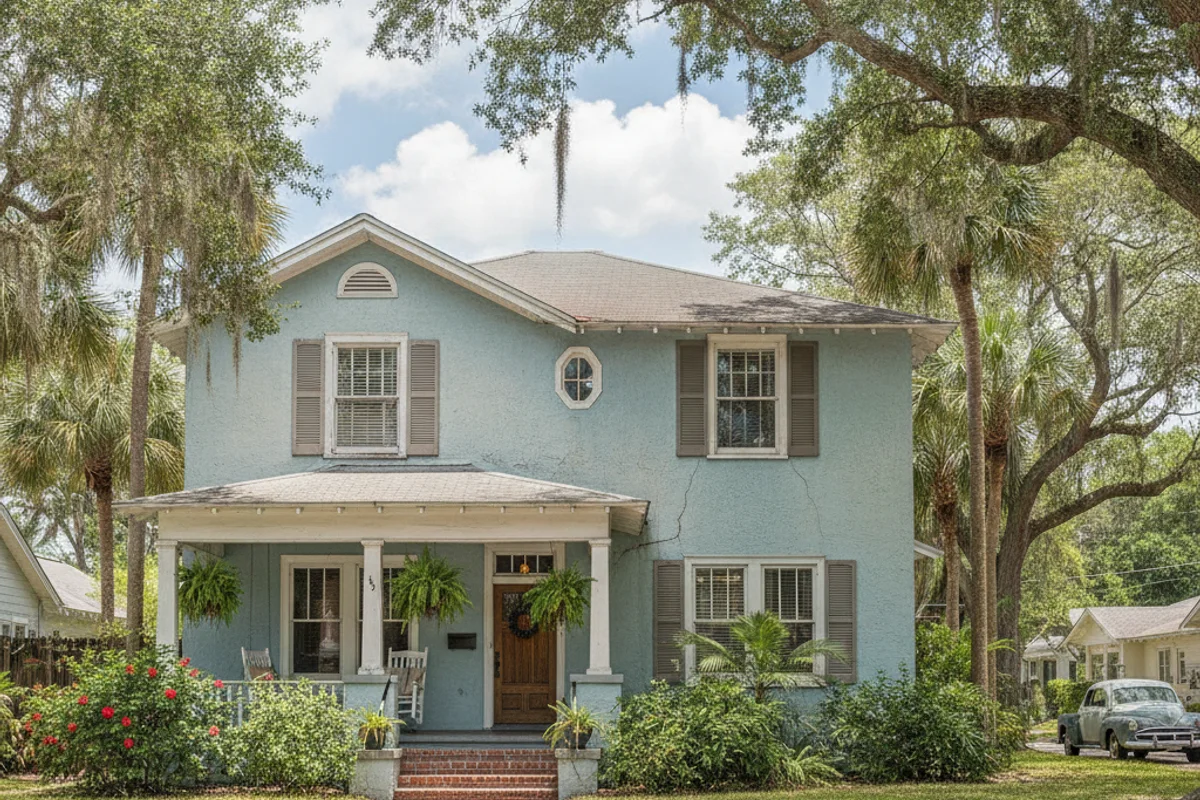
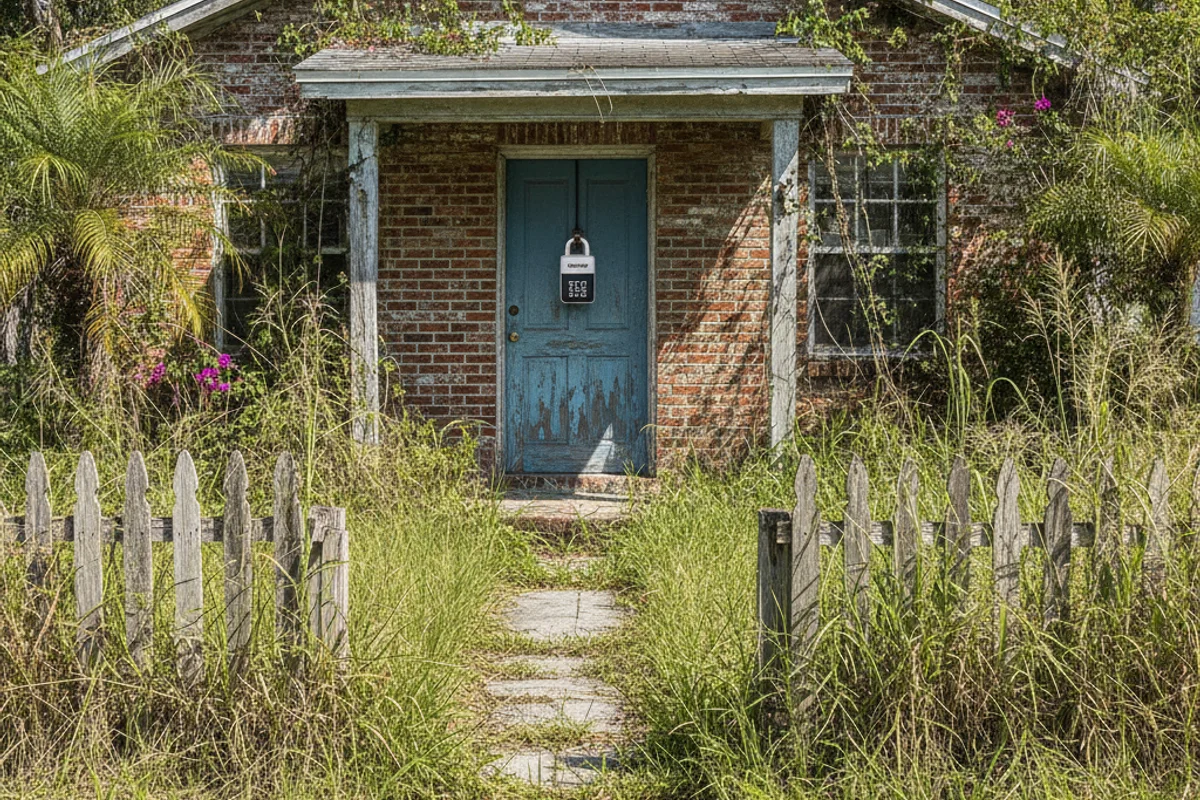
You just lost someone you loved. The last thing you want to deal with is a house. Yet here you are, trying to figure out how to sell an inherited house in Fort Lauderdale while managing grief, family dynamics, and a property you may have never even planned to own. This guide is written for exactly that situation. We’ll walk you through Florida probate, the real costs of holding an inherited home, the tax picture, and why a cash sale is often the most practical and least painful path forward for heirs in Broward County.
What to Do When You Inherit a House in Fort Lauderdale
First, take a breath. You genuinely don’t need to make any major decisions in the first week.
That said, a few steps need to happen relatively quickly to protect your interests and avoid financial surprises. Start by locating the will, the deed, and any mortgage documents. Contact a Florida-licensed probate attorney early, because the process of legally transferring the property title depends entirely on how the estate is structured. Some attorneys in Broward County offer free initial consultations specifically for inherited property situations, so the cost of getting good advice upfront is often zero.
Check whether the property has an active mortgage, unpaid property taxes, or HOA dues. Fort Lauderdale’s Broward County Property Appraiser’s office makes it easy to look up ownership records and tax status online. You can pull this information in minutes. Knowing what you’re working with financially changes every decision that follows.
If multiple heirs are involved, get everyone talking early. Disagreements between siblings or cousins about whether to keep, rent, or sell the property are one of the most common reasons inherited homes sit vacant for months, slowly losing value while costs pile up. Having one person designated as the point of contact for communication and paperwork tends to reduce conflict significantly. Even a brief group call or shared email thread can prevent the kind of prolonged standoffs that delay closings by months.
Once you’ve gathered the documents and consulted an attorney, you’ll have a clearer picture of your timeline and your options. Everything else flows from that foundation.
Get Your Free Cash Offer Today
No fees. No repairs. Close in as little as 7 days.
Related Video
Understanding Florida Probate and Inherited Property
Florida probate can feel like a maze, but understanding the basics helps you move faster and make smarter decisions.
There are two main paths in Florida. Formal administration is required when an estate exceeds $75,000 in value or the decedent passed away within the last two years. This process involves filing with the Broward County circuit court, notifying creditors with a published notice, and waiting for the court to authorize distribution of assets. It typically takes 6 to 12 months from filing to close, though contested estates or those involving complex assets can stretch well beyond that.
Summary administration is a simplified process available for smaller estates or when the decedent has been gone more than two years. It can sometimes be completed in 4 to 6 weeks, which is a meaningful difference when you’re paying carrying costs on a vacant property. If the property was held in a revocable living trust, it may avoid probate entirely, which is the fastest path to a clean, transferable title.
Here’s the critical distinction every heir needs to understand: you generally cannot sell the property and transfer clear title to a buyer until probate closes. The property technically belongs to the estate, not to you, until the court says otherwise. That said, a probate attorney can sometimes petition the Broward County circuit court to authorize a sale mid-process if holding the property creates clear financial hardship on the estate. Experienced cash home buyers that Florida families work with are often familiar with this process and can move quickly once authorization is granted.
For a deeper, plain-language breakdown of how the probate process works, Nolo’s legal encyclopedia is one of the most useful free resources available.
Out-of-state heirs managing a Fort Lauderdale property remotely face an additional layer of difficulty that local heirs sometimes don’t fully appreciate. You’re trying to coordinate court filings, utility continuations, lawn maintenance, and potential storm or break-in damage from hundreds or even thousands of miles away. Fort Lauderdale’s hurricane season runs from June through November, and a vacant home that isn’t properly maintained or secured can sustain serious damage during that window. Working with a local cash buyer who already understands the Fort Lauderdale probate landscape can remove most of that logistical burden and give you real peace of mind.
For a complete guide, read our resource on selling your house in Fort Lauderdale.
The Hidden Costs of Keeping an Inherited Fort Lauderdale Home
Inherited properties feel like assets. Often, they quietly become liabilities the moment the previous owner is gone.
Fort Lauderdale homes carry real, ongoing costs that many heirs underestimate until the bills start arriving. Property taxes in Broward County average around 1% to 1.2% of assessed value. On a home valued near Fort Lauderdale’s current median of $580,000, that’s roughly $5,800 to $6,960 per year in taxes alone, and those bills don’t pause for probate. Add homeowner’s insurance, which runs significantly higher in South Florida than the national average due to hurricane exposure and proximity to water, and you’re looking at another $3,000 to $6,000 annually depending on the home’s age, elevation certificate status, and coverage level.
If the home is in a community with a homeowners association, which is extremely common in neighborhoods like Coral Ridge, Victoria Park, and Lauderdale-by-the-Sea, monthly dues can add another $200 to $600 to your carrying costs. Miss those payments and the HOA can place a lien on the property. That lien complicates any future sale and adds legal fees to clear it.
Florida’s climate is genuinely unforgiving to vacant homes. Without regular HVAC use, indoor humidity levels spike rapidly, especially during the summer months when Fort Lauderdale routinely sees heat indices above 100 degrees and afternoon rain nearly every day. That moisture causes mold growth faster than most people expect. Pest pressure from termites, cockroaches, and rodents also increases when a house sits empty and unmonitored. A home that looks structurally sound in November can have active mold growth behind the walls and a failing HVAC system by the following March.
If the home also needs deferred maintenance or major repairs, those costs stack on top of everything else. A new roof in South Florida averages $15,000 to $25,000 depending on material and square footage. HVAC system replacement runs $6,000 to $12,000. Water heaters, updated electrical panels, and plumbing repairs add up fast in older homes. Every month you hold the property waiting for a better time, those problems don’t pause or fix themselves.
Find Out What Your Home Is Worth
Get a no-obligation cash offer in 24 hours.
Should You Renovate Before Selling Your Inherited Fort Lauderdale Home?
This is the question almost every heir asks. Here’s an honest, side-by-side comparison so you can make the call with clear numbers in front of you.
Renovate Before Selling
| Factor | What to Expect |
|---|---|
| Timeline | 3 to 6 months for significant work |
| Upfront cost | $30,000 to $80,000 or more depending on scope |
| Market exposure | Listed at higher price, 105-day average days on market in Fort Lauderdale |
| Risk | Renovation overruns, carrying costs during construction, buyer financing falls through |
| Gross proceeds | Potentially higher sale price |
| Net gain over as-is | Often smaller than expected after deducting all costs |
Sell As-Is to a Cash Buyer
| Factor | What to Expect |
|---|---|
| Timeline | 7 to 21 days after clear title |
| Upfront cost | Zero |
| Market exposure | No showings, no open houses, no staging |
| Risk | Very low, no financing contingencies |
| Gross proceeds | Below top-of-market list price |
| Net gain | Often comparable or better after deducting renovation costs and commissions |
The math rarely favors renovation when you factor in the full picture. A cash buyer offering $545,000 with no repairs required often nets the heir more than a $600,000 traditional sale after paying 5 to 6% in agent commissions ($30,000 to $36,000), carrying costs for 4 to 5 months of holding, renovation expenses, closing costs, and any concessions a financed buyer negotiates after the inspection.
Florida also requires sellers to disclose known material defects under state law. You can review Florida’s seller disclosure requirements to understand exactly what you’re legally obligated to share with traditional buyers. Cash buyers purchasing as-is still receive those disclosures, but they’re accepting the property in its current condition, which removes most of the negotiation friction that follows a traditional home inspection.
Tax Implications of Selling Inherited Property in Florida
Good news here: Florida has no state income tax and no state estate tax. That simplifies things considerably compared to heirs in states like Massachusetts or Oregon.
The federal tax picture is where you need to pay careful attention. The IRS allows what’s called a “stepped-up cost basis” on inherited property. This means your taxable cost basis is reset to the fair market value of the home on the date the original owner passed away, not what they originally paid for it. The IRS guidance on inherited property explains this rule clearly and is worth reading before you make any decisions.
In practical terms, this protection is significant. If your parent bought a home in Fort Lauderdale’s Edgewood neighborhood back in 1990 for $110,000 and it’s now worth $580,000, you do not owe capital gains tax on that $470,000 of appreciation. Your stepped-up basis starts at $580,000. If you sell quickly for $565,000, you actually have a $15,000 paper loss, which could offset other capital gains elsewhere in your portfolio.
If you hold the inherited property for more than a year before selling and it appreciates beyond your stepped-up basis during that time, any gains above the new basis are taxed at long-term capital gains rates. Those rates range from 0% to 20% depending on your total household income for the year. Selling sooner, while the value is close to the date-of-death appraisal, often minimizes or eliminates your federal tax exposure entirely.
Always work with a CPA who has direct experience with inherited property sales before you close. The stepped-up basis rules are genuinely favorable to heirs, but documenting the basis correctly with a qualified appraisal is what makes those benefits stick if the IRS ever asks questions.
How to Sell Your Inherited Fort Lauderdale Home Fast for Cash
Once probate closes and title is clear, you have a real choice to make, and the timeline difference between your two main options is significant.
A traditional listing on the Fort Lauderdale market means navigating an average of 105 days on market before you receive a ratified offer, then another 30 to 45 days in escrow for inspections, appraisals, and lender underwriting. Add the time you spent renovating or preparing the property beforehand, and you’re realistically looking at a 5 to 7 month process from decision to cash in hand. Along the way, there are multiple points where a deal can fall apart, including failed inspections, low appraisals, and buyers who lose their financing at the last minute.
A quick home sale that Fort Lauderdale families use to simplify inherited property situations removes almost all of that friction. Working with our Fort Lauderdale cash home buyers team, the process is straightforward.
You contact us and share basic details about the property, including its location, general condition, and your situation. We review the home, often virtually for out-of-state heirs who can’t make the trip to Fort Lauderdale, and we research recent comparable sales in neighborhoods like Colee Hammock, Tarpon River, and Coral Ridge to make sure our offer reflects what the market actually supports. You receive a no-obligation cash offer, typically within 24 hours of your inquiry.
If you accept, we handle the title work and coordinate with your probate attorney to set a closing date that fits your timeline and the court’s schedule. You walk away with cash in hand, no repairs made, no staging costs, and no agent commissions taken off the top. For heirs managing this process from another state, we’ve helped families complete the entire transaction without ever flying to Fort Lauderdale. You take what’s personally meaningful, we handle cleanup and disposition of everything else.
Only about 6% of Fort Lauderdale home sales are all-cash transactions, which means the overwhelming majority of buyers are relying on mortgage financing. That financing introduces appraisal contingencies, lender processing delays, and the very real possibility that the deal collapses if the buyer’s loan falls through at the last minute. A cash offer eliminates every one of those variables and gives you a closing date you can actually plan around.
If you’re ready to see your number without any obligation, get your cash offer today. There’s no pressure and no commitment required to request an offer.
To learn more about what we do across the state, visit our sell house in Florida page. We also help families in nearby markets navigate inherited property sales, including Miami and Orlando, where probate timelines and carrying costs present similar challenges.
One more thing worth knowing before you close this page. If the inherited property carries an existing mortgage or an HOA lien, a cash sale can still work. We’ve covered that scenario in detail in our guide on selling a house with a mortgage in Fort Lauderdale. And if missed mortgage payments during a prolonged probate period have put the property at risk, our resource on how to avoid foreclosure in Fort Lauderdale lays out your options clearly.
Losing someone is hard enough. The house doesn’t have to be a long, drawn-out chapter added to that grief. Whether you’re ready to sell your inherited house in Fort Lauderdale right now or just beginning to gather information, knowing your options puts you back in control of what happens next.
We also help homeowners in Fort Lauderdale dealing with divorce, foreclosure, and selling as-is situations.
Ready to Sell? Let's Talk.
Get your cash offer now. No obligation, no hassle.

James is a Senior Writer at NestCash, specializing in housing market coverage and consumer-focused real estate guidance. Reporting across 12 states, he helps readers make informed decisions with clear, trustworthy insights.