Sell House With Code Violations In Fort Lauderdale: Get Cash Fast Today
Need to sell a house with code violations in Fort Lauderdale? Skip costly repairs, stop daily fines, and close in days. Get a fair cash offer today.

COO & Correspondent, NestCash··12 min read
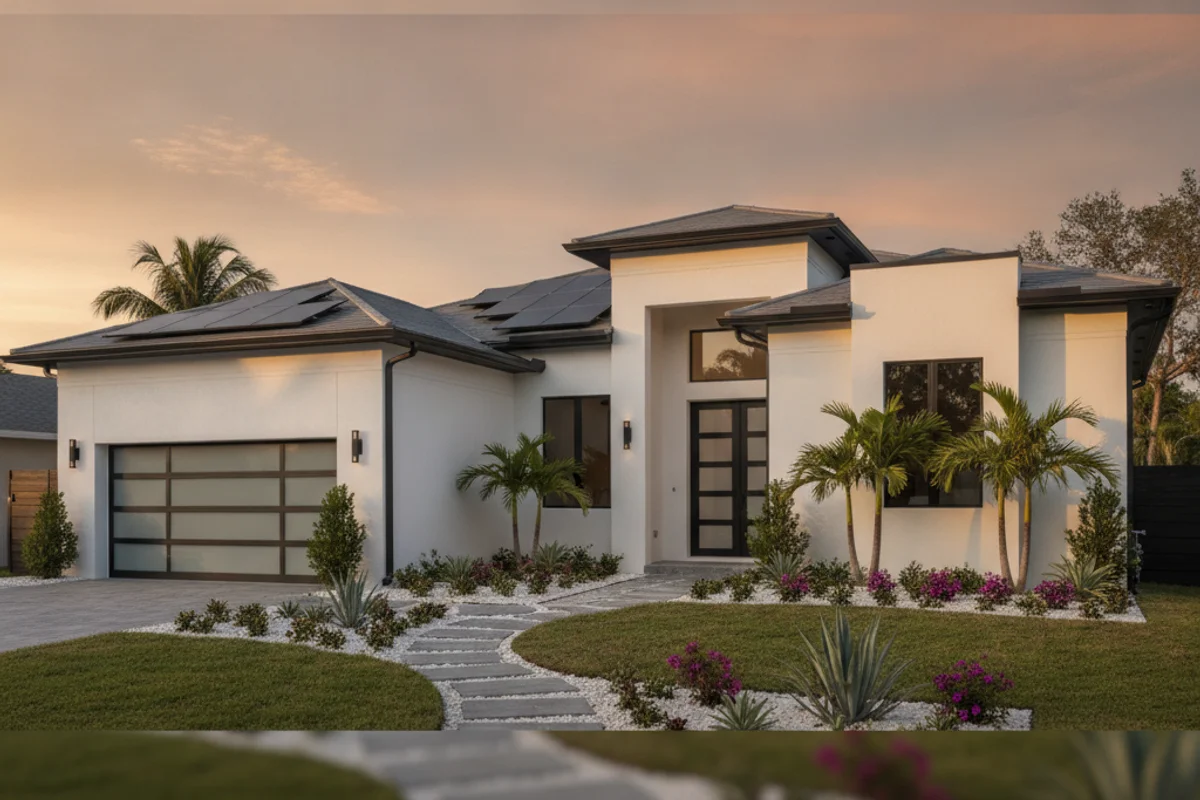
Your home in Sistrunk, Progresso Village, or along a canal-front block in Coral Ridge is sitting with a code violation notice from the City of Fort Lauderdale. The fines are stacking up. You need to sell your house with code violations in Fort Lauderdale, and the clock is working against you. The good news is that you’re not stuck. Thousands of Florida homeowners in exactly this situation have found a clear, fast path forward, and it doesn’t involve spending tens of thousands of dollars on repairs you may never recoup at closing.
Let’s break down exactly what your options look like, how the numbers actually work, and how to move quickly if your situation calls for it.
Why Fort Lauderdale’s Code Enforcement Environment Makes Selling So Urgent
Fort Lauderdale takes code enforcement seriously, and the financial consequences of waiting are real. The city operates under Chapter 162 of Florida Statutes, which gives code enforcement boards the authority to impose daily fines that accumulate as liens directly on your property. Those liens attach to the title, which means they follow the house, not just the owner. When you eventually sell, every dollar of unpaid liens comes out of your proceeds at the closing table.
If your property has been flagged, you’re probably dealing with one or more of the following issues:
- Unpermitted additions or conversions (garage conversions are extremely common across older Fort Lauderdale neighborhoods)
- Roof damage that doesn’t meet current Florida Building Code wind resistance standards, which were significantly updated after Hurricane Andrew and again after the 2004 and 2005 storm seasons
- Electrical panels that don’t meet updated hurricane-era requirements, including older Federal Pacific or Zinsco panels that appraisers flag routinely
- Plumbing or HVAC systems installed without permits, often in homes that were owner-renovated during the 1980s and 1990s
- Fence or pool enclosure violations, which are extremely common in neighborhoods with aging screen enclosures
- Overgrown vegetation or property maintenance citations tied to Fort Lauderdale’s landscaping ordinances
The longer you wait, the larger the liens grow. Fines under Chapter 162 can run anywhere from $100 to $1,000 per day depending on the severity and whether the violation has been declared a repeat offense. And when you go to sell through a traditional listing, a title search will surface every single recorded lien and open permit. That’s the moment most conventional deals fall apart, because retail buyers don’t want the headache and their lenders won’t allow it anyway.
Here’s the other piece that catches sellers off guard. You’re legally required to disclose these issues to any buyer you work with. Florida’s seller disclosure requirements mandate that you reveal known material defects, and that absolutely includes active violations and outstanding fines. Most retail buyers, especially those using FHA or conventional financing, walk away the moment they see a code violation report. Banks simply won’t lend on properties with certain open permits, active liens, or structural flags. That leaves you in a difficult position if you’re trying to sell on the open market.
That’s the corner most sellers find themselves painted into. But there’s a clear way out.
Get Your Free Cash Offer Today
No fees. No repairs. Close in as little as 7 days.
Related Video
5 Reasons Fort Lauderdale Sellers With Violations Choose Cash Buyers
Traditional real estate doesn’t work well for houses with problems. Here’s why the cash route makes more practical sense when you’re dealing with code issues, active fines, or unpermitted work.
1. No Repairs Required Before Closing
Cash buyers buy as-is. That phrase gets thrown around a lot, but in this context it means exactly what it says. You don’t patch the roof, you don’t pull the permits retroactively, and you don’t spend months navigating Broward County’s building department trying to legitimize work done by a previous owner. The buyer handles all remediation after closing. You can review what’s currently on file for your property through the Broward County Property Appraiser’s office, which keeps detailed records of permits, assessments, and ownership history.
2. No Financing Contingencies That Kill the Deal
Traditional buyers need mortgage approval, and lenders won’t finance homes with active code violations or unpermitted structural work. Cash buyers don’t have a bank telling them no. That removes the single biggest reason deals collapse in this situation. When you accept a cash offer, it’s not contingent on an underwriter’s comfort level with your home’s permit history.
3. Daily Fines Stop the Moment You Close
Every day you wait is potentially another day of accumulating fines under Chapter 162. Closing in 7 to 14 days stops that clock completely. When you’re racking up $150 to $250 per day in fines, the difference between closing in two weeks versus sitting on the market for four months and then going through a 45-day escrow adds up fast. Do the math: 150 days at $200 per day is $30,000 in fines alone, on top of everything else.
4. No Agent Commissions or Surprise Closing Costs
A traditional sale at Fort Lauderdale’s current median home price of around $580,000 means roughly $34,800 in agent commissions at the standard 6%. Add in staging costs, required repairs to satisfy inspections, and seller-side closing costs, and you’ve spent a significant amount before you ever receive a check. Cash buyers typically cover their own closing costs and charge no commissions, which changes the net math considerably.
5. A Timeline You Can Actually Plan Around
With a traditional listing, Fort Lauderdale homes are currently averaging 105 days on market before going under contract. After that, you’ve still got a 30 to 45-day closing period while lenders process paperwork. A cash sale compresses all of that into one to two weeks, which is critical when liens are growing by the day or when you’re facing the possibility of foreclosure. If you’re navigating that threat alongside code violations, our guide on avoiding foreclosure in Fort Lauderdale covers what your options actually look like at each stage of the process.
What the Fort Lauderdale Market Looks Like Right Now
Fort Lauderdale’s real estate market is currently stable, which sounds neutral but actually matters a lot for sellers dealing with code violations. A stable market with moderate inventory means there are buyers out there, but they have real choices. A retail buyer with a pre-approved mortgage and flexibility on location isn’t going to choose your home over a clean, fully permitted property two streets over, especially when their lender is already scrutinizing the deal.
The market also reflects Fort Lauderdale’s ongoing evolution as a destination city. South Florida professionals, retirees relocating from the Northeast, and remote workers who no longer need to be tethered to Miami are all driving demand in stable but competitive pockets of the city. Neighborhoods like Flagler Village and Victoria Park have seen sustained appreciation over the past several years and continue to attract renovation-minded buyers. Even in older neighborhoods like Edgewood, Shady Banks, and Progresso Village, cash investors are actively buying because the underlying land values and rental demand support significant renovation projects.
Fort Lauderdale’s climate adds another layer of complexity that’s worth understanding. Humidity, salt air, and hurricane exposure accelerate wear on roofing systems, electrical infrastructure, and exterior structures in ways that don’t apply in most other parts of the country. Many of the code violations that show up on Fort Lauderdale homes built between 1950 and 1990 are directly tied to deferred hurricane-era upgrades that previous owners never completed. According to Redfin’s Fort Lauderdale market data, buyer selectivity has increased since the peak frenzy of 2021 and 2022, which means problematic properties face even more friction on the traditional market than they did a few years ago.
Cash sales currently represent about 6% of transactions in the Fort Lauderdale area. That’s a small slice of total volume, but it represents a consistent and active pool of buyers who specifically seek distressed, complicated, or violation-heavy properties. These aren’t opportunistic flippers looking to lowball you. They’re experienced operators who know exactly what remediation costs are and can price accordingly.
Find Out What Your Home Is Worth
Get a no-obligation cash offer in 24 hours.
Cash vs. Agent: What You Actually Net on a Violated Property in Fort Lauderdale
Let’s put some concrete numbers on this so you can think through it clearly rather than just comparing headline prices.
Say your Fort Lauderdale home would sell for $400,000 in clean, permitted condition. It currently has $30,000 in needed repairs to clear the violations, $15,000 in accumulated liens, and based on current market conditions it would sit on the market for roughly 105 days before going under contract, followed by a 45-day closing period.
Traditional listing path:
- Repair costs to make it listable and pass inspections: $30,000
- Agent commissions at 6%: $24,000
- Seller closing costs: $6,000
- Carrying costs for 150 days, including mortgage, insurance, and property taxes: $12,000 to $15,000
- Lien payoff at closing: $15,000
- Net to you: roughly $310,000 to $313,000
Cash sale path:
- Cash offer on the property as-is, accounting for violations and needed work: roughly $335,000 to $355,000
- No repairs required, no commissions, buyer covers closing costs
- Lien payoff handled at closing: $15,000
- Net to you: roughly $320,000 to $340,000
Every situation is different, and cash offers vary based on the buyer, the specific violations, and current renovation costs in Broward County. But the pattern holds: when you factor in all the real costs of a traditional sale on a distressed property, the gap between a cash offer and a listed price shrinks substantially or disappears entirely. In some cases, sellers actually net more through a cash sale because they avoid months of carrying costs and repair spending.
If you also carry an existing mortgage, you’ll want to understand how the payoff interacts with your sale proceeds. Our article on selling a house with a mortgage in Fort Lauderdale lays out exactly how that works, including what happens at the closing table when both a lien and a mortgage need to be satisfied simultaneously.
Common Questions About Cash Home Sales in Fort Lauderdale
What if I have multiple violations from different inspections over different years?
That’s not unusual at all. Cash buyers in Fort Lauderdale regularly deal with layered violation histories that span multiple inspection cycles. They’ll review the full city report, check the lien record, and factor everything into their offer upfront. Multiple violations from different dates don’t disqualify you from a cash sale. They just mean the buyer does more due diligence before committing to a number.
What if my home is already in foreclosure?
If foreclosure proceedings have started, time is critical but you likely still have options depending on how far along the process is. A cash sale can close fast enough to stop the process in many cases, especially if you’re in early default rather than post-judgment. The U.S. Department of Housing and Urban Development offers resources for distressed homeowners at hud.gov that are worth reviewing alongside your legal options. You should also talk to a Florida real estate attorney who can advise you on the specific timeline in your case.
Can I sell if there are tenants in the property?
Yes, though it adds a layer of coordination. Cash buyers who work in Fort Lauderdale’s rental market know how to handle occupied properties and can often structure the closing timeline around existing lease agreements or work out a cash-for-keys arrangement with tenants. It’s not a dealbreaker.
Do I need a real estate attorney to close a cash sale?
Florida doesn’t require an attorney for residential closings, but having one review the title work is genuinely worthwhile when there are liens involved. It’s a relatively small cost for the protection it provides. The Florida Department of Business and Professional Regulation oversees real estate activity in the state and can help you verify the legitimacy and licensing status of any buyer or company you’re considering working with. Always verify before signing anything.
What if the violations are on a property I inherited?
Inherited properties with code violations are actually one of the most common situations cash buyers handle. You’re not responsible for creating the violations, but they’re still attached to the property title. A cash buyer can work with your attorney or the estate’s executor to structure the sale cleanly and resolve liens at closing, even when the property is going through probate.
Your Next Step
You’ve got a real, workable path forward here. Selling your house with code violations in Fort Lauderdale doesn’t have to mean a prolonged battle with the city, a money pit of repairs, or watching daily fines grow while your property sits on the market for months. The numbers, when you run them honestly, often favor the cash route more than most sellers expect.
The fastest way to know where you actually stand is to get your cash offer and see what a no-obligation, as-is price looks like for your specific property and its specific violations. There’s no commitment, no pressure, and you’ll have a real number to weigh against your other options.
Our Fort Lauderdale cash home buyers team works specifically in Broward County and knows the local code enforcement landscape, the neighborhoods, and the financial timeline you’re working against.
If you’re weighing your options elsewhere in Florida, you can learn more about how we help homeowners who want to sell a house in Florida wide, from the Panhandle to the Keys. We also work with homeowners in Miami and Orlando navigating similar code violation and distressed property situations, and we serve additional markets including Cape Coral and Jacksonville for homeowners across the state.
The market is stable. Cash buyers are active. And you don’t have to fix a single thing to move forward today.
NestCash works with Fort Lauderdale homeowners dealing with divorce, foreclosure, inherited properties, and homes that need to sell as-is every single day.
Ready to Sell? Let's Talk.
Get your cash offer now. No obligation, no hassle.

Jackie is the COO and a Correspondent at NestCash, combining leadership with real estate reporting and market insight. She covers key trends across 12 states, helping ensure NestCash delivers clear, reliable guidance nationwide.