
Sell House During Divorce In Lakewood: Trusted Buyers, Fast Close
Need to sell your house during divorce in Lakewood? Learn Colorado equity rules, mortgage options, and how a cash sale closes in days, not months.

COO & Correspondent, NestCash··11 min read
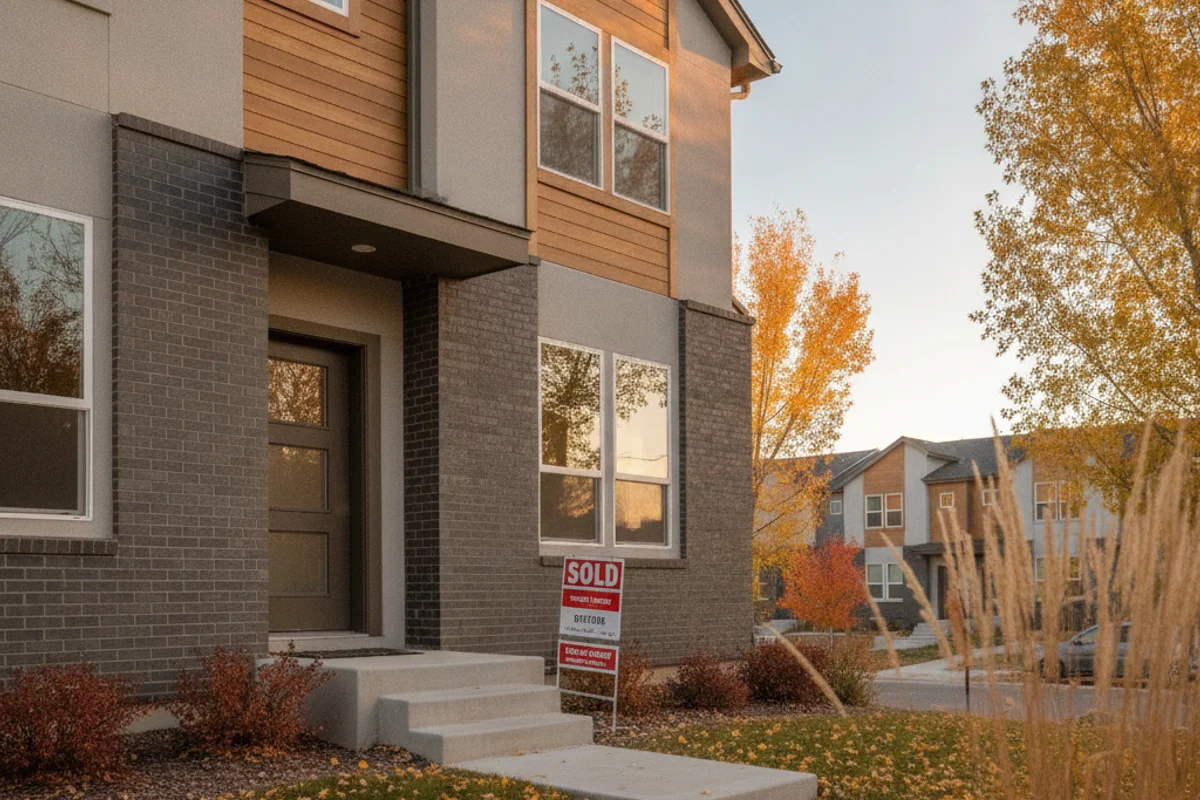
Do both spouses have to agree to sell the house in Colorado? That’s the question most people type into Google first when they’re trying to sell their house during a divorce in Lakewood, and it’s exactly the right place to start. The short answer is yes, both parties generally need to agree if the home is marital property and both names are on the title. But Colorado courts have real tools to move things forward when agreement feels out of reach. This article walks through the most common questions Lakewood homeowners face when a divorce and a shared home collide, from mortgage liability to equity splits to whether a judge can actually force the sale. Let’s break this down section by section so you know exactly where you stand.
Does Both Spouses Have to Agree to Sell in Colorado?
In most cases, yes. If both spouses are on the deed, both need to sign off on a sale. Colorado treats most property acquired during a marriage as marital property, which means neither spouse can unilaterally list and sell the home without the other’s consent. That’s true even if only one person made the mortgage payments.
That said, couples don’t have to stay stuck. Many divorcing homeowners in Lakewood reach a written agreement outside of court, sometimes with help from a mediator, that allows the sale to move forward even when emotions are running high. The agreement gets incorporated into the divorce decree, and from there both parties are legally bound by its terms. This path tends to be faster, cheaper, and less adversarial than letting a judge decide.
What if one spouse simply won’t cooperate? A Colorado family court judge has clear authority to issue an order requiring the sale. That process adds time and legal costs for both parties, which is exactly why reaching a mutual decision early almost always serves both spouses better financially. Consulting a licensed Colorado family law attorney early in the process gives you a much clearer picture of your specific rights and realistic options before things escalate.

Get Your Free Cash Offer Today
No fees. No repairs. Close in as little as 7 days.
Related Video
What Happens to the Mortgage When You Sell During a Divorce in Lakewood?
This is where a lot of couples get tangled up, and it’s worth being direct about how it works. If both spouses are on the mortgage, both remain legally responsible for that debt until it’s paid off or refinanced, regardless of what a divorce decree says internally about who “owns” the house going forward. A divorce agreement is binding between spouses, but it does not change your contract with a lender. The bank doesn’t care what your decree says.
Here’s the good news about selling: when you close on the sale, the mortgage gets paid directly from the proceeds at closing. Both spouses walk away with their share of the equity, and both are released from the loan simultaneously. That clean break is one of the biggest practical advantages of selling over a buyout situation, especially when both parties want to move on cleanly and quickly.
Your main options when a joint mortgage is involved include:
- Sell the home. Proceeds pay off the mortgage at closing. Both parties are released from the debt automatically, with no further financial connection to the property.
- One spouse refinances. The buying spouse takes out a new loan in their name only, pays off the joint mortgage, and the selling spouse is removed from the title and the debt.
- Sell via short sale. If you owe more than the home is worth, this may be an option, but it requires lender approval and affects both credit profiles significantly.
- Deed in lieu of foreclosure. A last resort if neither party can afford payments and a sale isn’t possible. HUD provides guidance on alternatives to foreclosure for homeowners facing serious financial distress.
- Continue co-ownership temporarily. Some couples agree to delay the sale until a child finishes school or the market improves, but this requires sustained cooperation and shared financial responsibility for an indefinite period.
Most Lakewood homeowners in divorce situations find that a clean sale is the simplest path forward. It removes both names from the debt, produces a specific dollar amount to split, and eliminates any need for ongoing financial entanglement between two people who are moving apart.
For a complete guide, read our resource on selling during divorce in Lakewood.
How Is Home Equity Split in Colorado?
Colorado is an equitable distribution state, not a community property state. That distinction matters more than most people realize. Community property states like California split marital assets 50/50 by default. Colorado courts are instead directed to divide marital property in a way that is “equitable,” meaning fair given the full circumstances of the marriage and each spouse’s situation.
In practice, many Lakewood divorces do result in a roughly equal equity split, especially when both spouses contributed similarly throughout the marriage. But a judge can weigh factors including each spouse’s current financial situation, any separate property contributions made toward the home’s down payment or major renovations, and the overall length of the marriage when deciding whether a different split is more appropriate.
The Jefferson County Assessor’s Office is a useful starting point for understanding your home’s assessed value, though an independent appraisal typically provides a more accurate and defensible figure for negotiation purposes. With Lakewood’s median home price sitting at approximately $576,000, there’s often very meaningful equity to divide. Even modest appreciation over three or four years on a home in Green Mountain or Belmar can produce a six-figure equity number, which is why both parties almost always benefit from getting a clear professional appraisal done early in the process rather than guessing.
One important tax point worth knowing before you close: the IRS allows a capital gains exclusion of up to $500,000 for married couples who have lived in the home as their primary residence for at least two of the last five years. Once the divorce is finalized, that exclusion drops to $250,000 per person individually. Timing your sale before the divorce is finalized can sometimes protect a meaningful chunk of your equity from federal tax. Review the IRS guidance on home sale tax rules and talk to a tax professional about your specific numbers before making that timing decision.

Find Out What Your Home Is Worth
Get a no-obligation cash offer in 24 hours.
How Long Does a Divorce Home Sale Take in Lakewood?
Lakewood’s market is currently stable with moderate inventory and an average of just 18 days on market. That’s relatively quick compared to many Colorado markets, which is useful context when you’re weighing your options and trying to estimate timelines.
A traditional sale in Lakewood, including prep work, listing, showings, an accepted offer, inspection period, and lender financing, typically runs 30 to 45 days from list to close. Colorado’s standard property disclosure requirements apply regardless of the sale type, so sellers need to complete a seller’s property disclosure statement even when selling during a divorce. A home inspection is also strongly recommended to catch any issues before they surface as deal-breakers during the buyer’s due diligence period and create new points of conflict between spouses.
Add in the legal timeline of the divorce proceedings themselves, and the total process can stretch considerably longer if both sides aren’t fully aligned on the home sale strategy. Every delay costs money. On a $576,000 home with a typical mortgage, carrying costs including principal, interest, taxes, and insurance can run $3,000 to $3,800 per month or more. Two extra months of carrying costs while waiting for agreement can easily add up to $7,000 or more out of the equity both spouses were counting on.
That’s exactly why many divorcing couples in Lakewood neighborhoods like Green Mountain, Belmar, and Estes Village choose a cash sale to compress the timeline significantly. Cash home buyers in Colorado can often close in 7 to 14 days, which means far less time paying a mortgage on a home neither spouse wants to keep carrying and far fewer opportunities for new disputes to arise.
Can a Court Force You to Sell Your Lakewood Home?
Yes. If divorcing spouses in Lakewood genuinely cannot agree on what to do with the marital home, a Colorado family court judge can issue a court order requiring the sale. This is more common than many people realize, particularly in contested divorces where one spouse wants to keep the home but cannot actually qualify for a refinance on their own income, or where neither spouse can agree on a fair buyout price after months of back-and-forth.
When a court orders a sale, it may also appoint a special master or receiver to oversee the transaction on behalf of the court. That adds another layer of process, additional professional fees, and reduced control for both parties over how the sale is handled. The court can set parameters around the acceptable listing price range, the required timeline, and exactly how proceeds are distributed at closing. Both spouses are then legally required to cooperate with all aspects of the sale, including signing the necessary closing documents on the required date.
The practical takeaway is straightforward: waiting for a court to force a sale almost always costs both parties significantly more in legal fees, carrying costs, and lost time than reaching a voluntary agreement early does. If you and your spouse can agree on anything at all, agreeing to sell quickly is usually the financially smarter move for both of you. For more on how dividing property in divorce works under state law, Nolo offers a solid breakdown of the key legal questions every divorcing homeowner should understand before making decisions.
Cash Sale vs. Buyout: Which Makes Sense for Lakewood Homeowners?
This is the question most couples land on once they’ve sorted through the legal framework and understand their options. A buyout means one spouse keeps the home and compensates the other for their share of the equity. A sale means both parties walk away with cash and no further shared obligations to the property. Neither option is automatically right for every situation, but the math and practical logistics often tip the scale pretty clearly.
For a buyout to work in today’s environment, the spouse keeping the home needs to qualify for a refinance in their name alone, at current interest rates, on a Lakewood home worth around $576,000. That’s a significant financial threshold. Monthly payments on a new mortgage at that price point will be substantially higher than what many couples were paying on a loan originated several years ago. If the staying spouse can’t qualify independently, the buyout simply isn’t viable regardless of what both parties want emotionally.
A traditional listing on the open market can net a higher gross sale price in Lakewood’s stable market, and with only 18 average days on market, the wait isn’t long. But it comes with real tradeoffs that matter a lot during a divorce. You’ll need to coordinate repairs, showings, open houses, and offer negotiations with someone you’re in the process of legally separating from. Every showing requires property access and schedule coordination. Every repair decision requires agreement. Every counteroffer requires both signatures. That sustained, repeated contact is exactly what many divorcing couples are trying to minimize, and a traditional listing makes it unavoidable for weeks or months.
A cash sale to Lakewood cash home buyers sidesteps most of that friction entirely. There’s no inspection contingency to renegotiate after a buyer’s inspector finds issues, no repair credits to argue over, no open houses to schedule around each other’s calendars. The offer is typically lower than full retail market value, and that’s a real tradeoff worth acknowledging honestly. But for many couples the certainty of a firm number, the compressed timeline, and the dramatic reduction in required contact make that tradeoff genuinely worthwhile. About 28% of home sales across Colorado are already cash transactions, so this is a well-established and widely used path, not a niche or last-resort option.
If you want to see a detailed side-by-side comparison of what you’d actually net after agent commissions, repair costs, and closing costs on a traditional sale versus a cash offer in this specific market, our breakdown of Cash Offer Vs Listing With Realtor In Lakewood: Real Math runs through the real numbers. For additional Denver-area context, the Denver cash offer vs. listing comparison covers similar ground with local data points that translate well to the Lakewood market.
The bottom line is practical and honest. If both spouses want a clean break with minimal ongoing interaction, a cash sale is often the most straightforward solution available. It produces a definite, agreed-upon number, closes in days rather than months, and ends the financial relationship with the property quickly so both parties can move forward independently.
We help homeowners sell a house in Colorado wide, including in nearby communities like Aurora and Denver. When you’re ready to see what your Lakewood home is worth without the hassle of repairs, showings, or extended negotiations, you can get your cash offer and have a real number in hand within days.
Divorce is genuinely hard. The house doesn’t have to make it harder. Working with a Colorado family law attorney alongside an experienced real estate professional gives you the clearest possible path through both the legal and financial sides of this process, so you can focus on what comes next.
We also help homeowners in Lakewood dealing with foreclosure, selling as-is, and inherited property situations.

Ready to Sell? Let's Talk.
Get your cash offer now. No obligation, no hassle.

Jackie is the COO and a Correspondent at NestCash, combining leadership with real estate reporting and market insight. She covers key trends across 12 states, helping ensure NestCash delivers clear, reliable guidance nationwide.