Cash Offer Vs Listing With Realtor In Denver: Zero Fees, Fair Offers
Denver homeowners: Compare actual net proceeds from cash offers vs listing. Real numbers from $575K homes, honest timelines, and the math that matters most.

Senior Writer, NestCash··11 min read
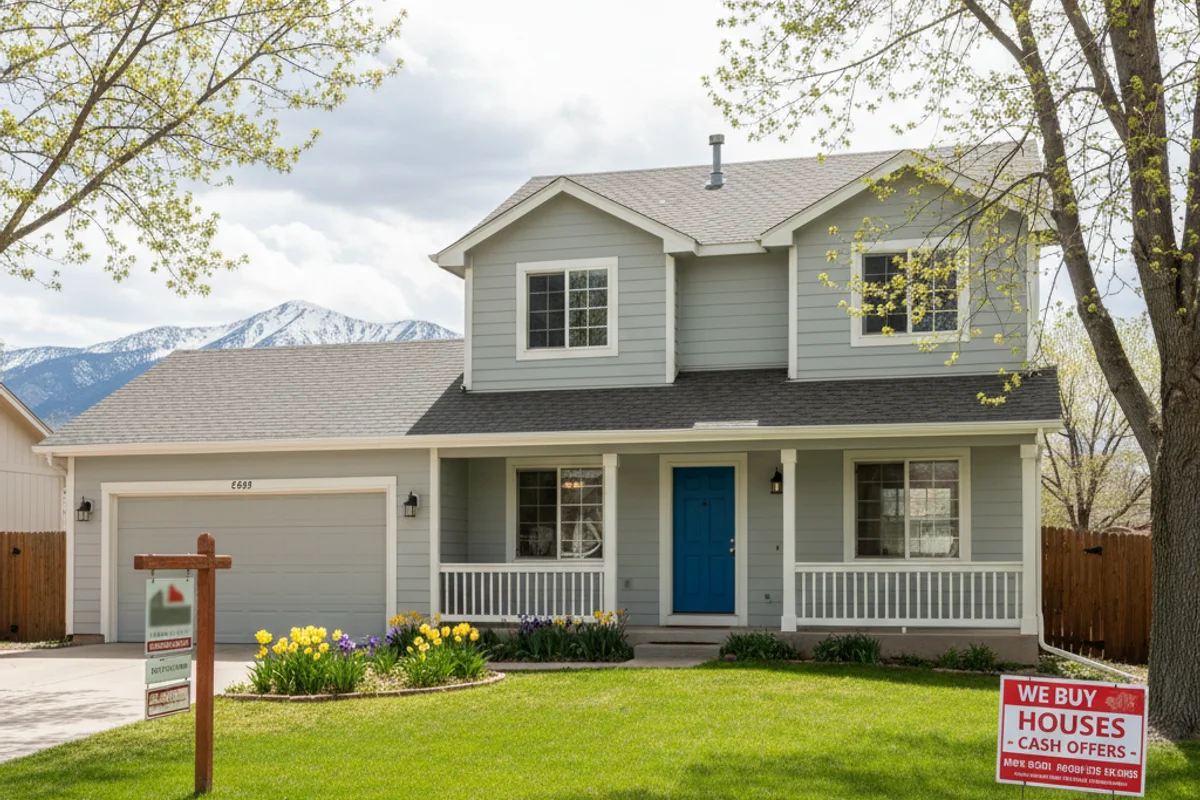
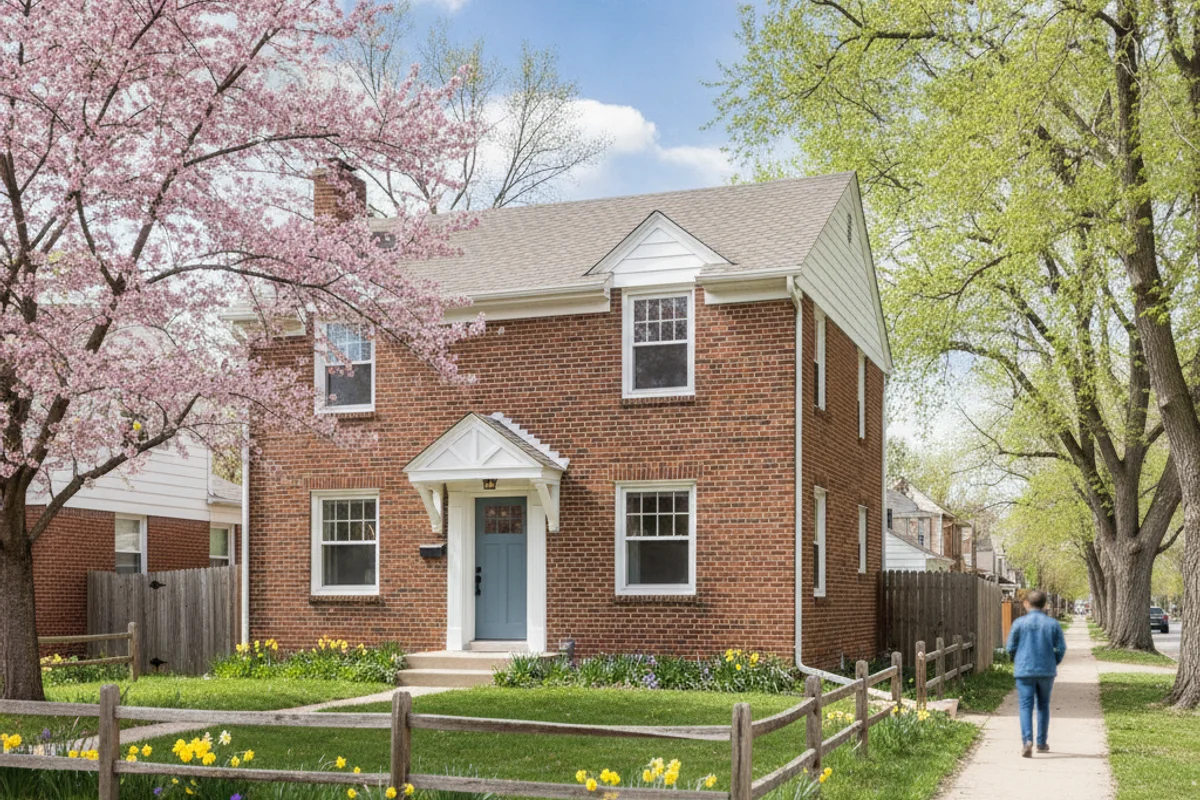
Sarah needs to relocate to San Francisco for a job that starts in three weeks. Her Park Hill bungalow needs $15,000 in foundation work, and she doesn’t have time to interview agents or stage the home. Meanwhile, Tom in Wash Park has four months before his retirement move to Durango. His pristine Craftsman will photograph beautifully, and he’s in no rush. Both are evaluating a cash offer versus listing with a realtor in Denver. They’ll make completely opposite decisions, and both will be right.
The question isn’t which option is objectively better. It’s which option is better for your specific situation, timeline, and property condition. Let’s walk through the real numbers, honest timelines, and decision framework that Denver homeowners actually need.
Two Denver Homeowners, Two Completely Different Right Answers
Sarah’s Numbers (Park Hill): Her cash offer came in at $442,000 on a home worth $520,000 (85% of market value). That’s $78,000 less than market value. It sounds like a terrible deal until you run the full calculation.
If she lists traditionally, she’s looking at $31,200 in agent commissions, $15,600 in closing costs, $15,000 in foundation repairs the inspector will definitely flag, plus $3,500 monthly in carrying costs while the home sits. Over a 75-day sale process (30 days to list plus 45 to close), she’d net around $449,200. The cash offer at $442,000 closes in 10 days with zero repairs and zero fees. The gap is $7,200, but she starts her new job on time and avoids two months of stress.
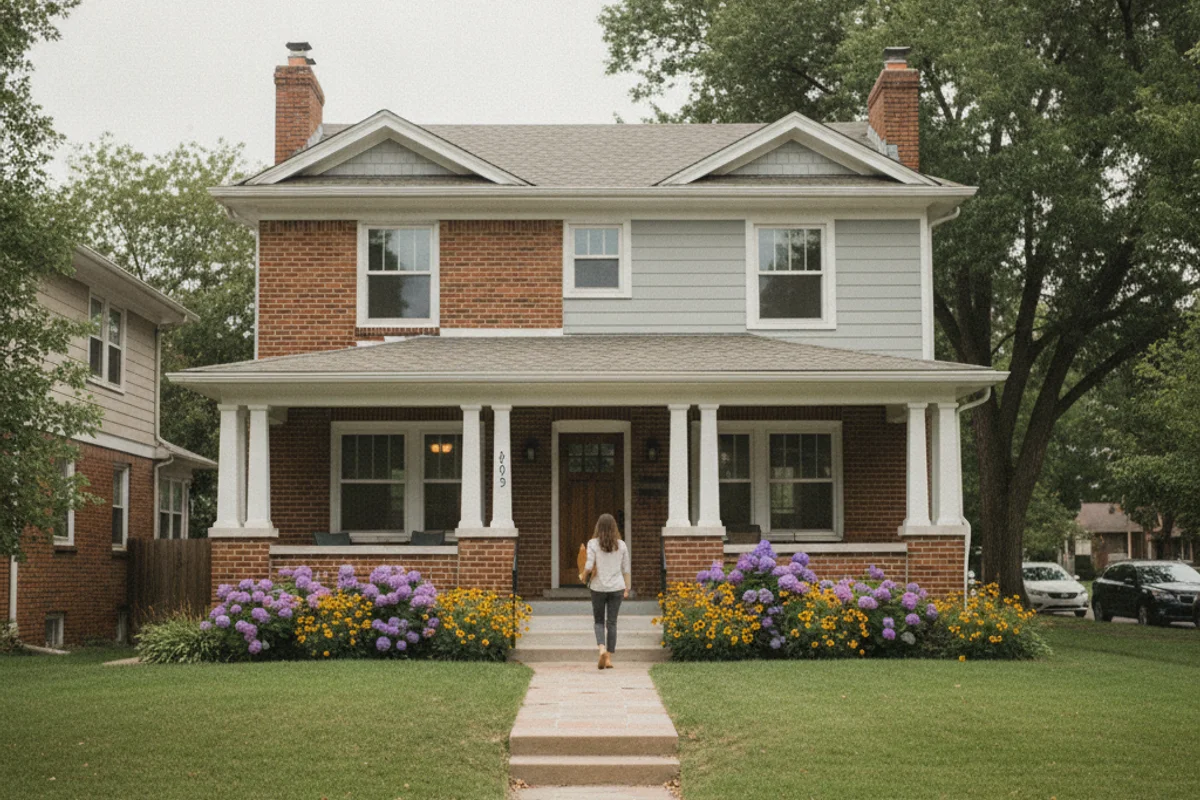
Tom’s Numbers (Wash Park): His cash offer came in at $517,500 on a $575,000 home (90% of market value). His home is pristine and located in one of Denver’s most desirable neighborhoods where Denver cash home buyers typically pay top dollar. But Tom has time.
Listing traditionally, he pays $34,500 in commissions and $17,250 in closing costs. His home needs zero repairs. After 60 days, he nets $523,250. That’s $5,750 more than the cash offer, and Tom values maximizing every dollar more than he values speed. He chooses the traditional listing.
The Pattern: Sarah’s situation (repairs needed, tight timeline, good cash offer) favored cash. Tom’s situation (perfect condition, flexible timeline, strong market position) favored listing. The math told each of them exactly what to do.
Get Your Free Cash Offer Today
No fees. No repairs. Close in as little as 7 days.
What a Traditional Denver Listing Actually Looks Like
Let’s break down the real costs and timeline for selling a median-priced Denver home through a realtor. We’re using $575,000 because that’s Denver’s current median according to Denver market data.
| Cost Category | Traditional Listing | Cash Offer |
|---|---|---|
| Sale Price | $575,000 | $488,750 (85%) |
| Agent Commission (6%) | -$34,500 | $0 |
| Closing Costs (3%) | -$17,250 | $0 |
| Repairs/Updates | -$11,500 | $0 |
| Staging | -$2,500 | $0 |
| Carrying Costs (2.5 months) | -$9,000 | $0 |
| Your Net | $500,250 | $488,750 |
| Timeline | 75 days | 10 days |
The gap is $11,500, or about 2% of the sale price. That gap shrinks or disappears entirely based on three variables: your home’s condition, how long it takes to sell, and whether the deal actually closes.
Here’s what the 75-day timeline really looks like:
Weeks 1-2: Interview agents, sign listing agreement, schedule professional photos, complete pre-listing repairs and deep cleaning. Your agent recommends fresh paint in the living room and replacing the worn carpet in the bedrooms. You spend $6,500.
Weeks 3-6: Home goes live. You keep it spotless for showings, which means you’re constantly cleaning and leaving during showing windows. Denver’s market is currently seeing homes sit for an average of 30 days, so you’re right on track. You get five showings in the first two weeks, then three more over the next two weeks.
Week 7: You receive an offer at $565,000. Your agent negotiates to $570,000. You accept. The buyer is using FHA financing with 3.5% down.
Week 8: Inspection happens. The report flags your 20-year-old furnace, a small roof leak you didn’t know about, and requests $5,000 in repairs. You negotiate down to $3,000 in credits.
Weeks 9-11: Appraisal comes in at $568,000. The buyer’s lender requires the appraisal to match or exceed the purchase price. You reduce the price to $568,000 or risk the deal falling through. You reduce the price.
Week 11: Closing finally happens. You’ve been making mortgage payments, paying property taxes, insurance, and utilities for 11 weeks. The total carrying cost was $9,000. You walk away with the net shown above.
According to Colorado real estate law, you’re required to complete a property disclosure statement. Miss something material, and you could face legal action even after closing. Your agent will guide you through this, but it’s one more layer of liability that doesn’t exist in an as-is cash sale.
What a Cash Sale Actually Looks Like in Denver
You submit your property details online or via phone. Within 24 hours, you receive a preliminary offer. If you’re interested, a local representative visits your home (this is not an inspection, just a walkthrough to verify condition). Within 48 hours of the visit, you receive a formal written offer.
The offer on your $575,000 Denver home comes in at $488,750. That’s 85% of market value, which is standard for cash home buyers in CO when the property needs moderate updates. You accept.
Days 1-3: Title company runs a title search. You sign a purchase agreement. No inspection contingency. No financing contingency. No appraisal contingency.
Days 4-7: Title clears. Closing paperwork is prepared. You choose your closing date (anywhere from day 7 to day 30, your choice).
Day 10: You close at a local title office or via mobile notary. The $488,750 hits your account via wire transfer that afternoon. You hand over the keys. Done.
No showings. No repairs. No negotiations after the initial offer. No financing falling through. No appraisal drama. You sell your house fast in Denver with complete certainty.
The Risk Factor: About 30% of traditional sales experience delays or complications. Financing falls through. Appraisals come in low. Inspections reveal deal-breaking issues. According to the National Association of Realtors, roughly 5% of accepted offers never make it to closing. Cash sales close 99.8% of the time once you’ve accepted the offer.
Find Out What Your Home Is Worth
Get a no-obligation cash offer in 24 hours.
The Hidden Costs of Waiting in Colorado
Every month your Denver home sits unsold, you’re paying:
Mortgage: On a $460,000 loan at 6.5%, that’s $2,900 monthly.
Property Taxes: Denver’s average property tax rate is roughly 0.5% annually. On a $575,000 home, that’s $2,875 annually or $240 monthly.
Insurance: Homeowners insurance in Denver averages $150-200 monthly.
Utilities: Even if you’re not living there, you’re maintaining heat in winter and minimal electricity. Figure $150-250 monthly depending on the season.
Maintenance: Lawn care, snow removal, basic upkeep. Another $200-300 monthly if you’re not doing it yourself.
Total carrying cost: $3,640-4,090 monthly, or roughly $120-135 daily.
Denver’s market is currently stable with moderate inventory according to local MLS data. That means your home will likely sell within 30-45 days of listing. But “likely” isn’t “guaranteed.” If your home sits for 60 days instead of 30, you’ve just spent an extra $3,800 in carrying costs. That shrinks the gap between listing and cash even further.
Now layer in the less obvious timeline costs. If you’re relocating for work and paying rent in your new city while still covering your Denver mortgage, double those costs. If you’re inheriting a property and living out of state, add travel expenses every time something needs attention. If you’re facing foreclosure and every month adds late fees and credit damage, the cost of waiting isn’t just financial.
How to Decide: 5 Questions Denver Sellers Should Ask
Question 1: What does my home actually need?
Walk through your home with brutal honesty. Not “what would I fix if I lived here forever” but “what will a buyer’s inspector flag and what will a buyer’s agent use to negotiate the price down?”
In Denver’s climate, common issues include:
- Furnaces and water heaters over 15 years old
- Roof wear from hail and intense sun exposure
- Foundation settling (especially in neighborhoods like Stapleton and Montbello built on clay soil)
- Outdated electrical systems in older neighborhoods like Congress Park and Curtis Park
- Windows that aren’t energy efficient in Denver’s temperature swings
If your repair list tops $10,000, the gap between a cash offer and traditional listing narrows significantly. If it tops $20,000, cash often nets you more.
Question 2: What’s my timeline?
Be honest about your actual deadline, not your ideal timeline. If you need to be out in 30 days, a traditional listing is logistically difficult. You’ll need at least a week to prep and list, 2-4 weeks to find a buyer, then 30-45 days to close. That’s 9-11 weeks minimum.
If you have 90+ days and no pressure, listing traditionally makes sense, especially if your home is in excellent condition.
Question 3: Can I handle the showing process?
Keeping a home show-ready for 4-6 weeks is exhausting. You’re deep cleaning constantly, leaving for showings with minimal notice, and managing the stress of strangers walking through your space. If you’re still living in the home with kids or pets, multiply that stress by three.
Some Denver sellers genuinely prefer this process. They’re handy, they enjoy home prep, and they see showings as part of the game. Others find it overwhelming. Neither reaction is wrong, but you need to know which camp you’re in.
Question 4: What’s my stress tolerance for uncertainty?
A traditional sale has multiple points where the deal can crater. The inspection. The appraisal. The buyer’s financing. In Colorado, the standard contract from the Colorado Division of Real Estate includes multiple contingency periods where buyers can walk away.
Cash sales remove that uncertainty entirely. You get one offer, you accept or decline, and the deal closes. If uncertainty keeps you up at night, that peace of mind has real value.
Question 5: Am I comparing the right numbers?
Most sellers compare the listing price to the cash offer and stop there. That’s the wrong comparison. You need to compare net proceeds after all costs and factor in timeline.
Run both scenarios with your actual numbers. Include repairs, carrying costs, and a realistic assessment of how long your specific home will take to sell in your specific Denver neighborhood. Cherry Creek and Wash Park homes move fast. Homes in Green Valley Ranch or Montblair might take longer.
Getting Offers from Both Sides in Denver
Here’s the smartest move: get both offers before you decide. There’s no rule that says you have to choose a path before you know what each path actually pays you.
Start with a cash offer. It costs nothing, obligates you to nothing, and gives you a concrete number to work with. Most reputable cash buyers in Denver will give you a written offer within 48 hours of seeing your home.
Then interview 2-3 local realtors. Ask them for a detailed net sheet showing exactly what you’d pay in commissions, closing costs, and their realistic assessment of necessary repairs. Ask them how long similar homes in your neighborhood are taking to sell. Ask them what percentage of their listings close at or above asking price.
Now you have real numbers for both paths. Make your decision based on facts, not assumptions.
If you’re also considering markets in Aurora or Colorado Springs, the same framework applies. You’ll find similar analyses for those markets in our guides on cash offers versus listing in Aurora and cash offers versus listing in Colorado Springs.
The Denver-Specific Advantage: Denver’s cash sale percentage sits at 25%, well above the national average of 18-20%. That means the cash buyer market here is competitive and sophisticated. You’re more likely to get a strong cash offer in Denver than in many other markets. Cash buyers understand Denver’s neighborhoods, from the premium valuations in Highlands and LoHi to the growth potential in areas like Sunnyside and Globeville.
What About Nearby Areas? We work throughout the Denver metro area, including Lakewood and Fort Collins. The same decision framework applies whether you’re selling a Denver bungalow or a Fort Collins ranch.
Your Next Step: If you want to sell your house in Colorado and you’re still weighing your options, get the cash offer first. It’s free, it’s fast, and it gives you the comparison point you need to make a fully informed decision. You can get your cash offer online in about two minutes.
The sellers who regret their choice are the ones who assumed one path was better without running the actual numbers. Sarah and Tom both made the right call because they looked at their real situation with clear eyes. Do the same, and you’ll know exactly which path makes sense for your Denver home sale.
NestCash works with Denver homeowners dealing with divorce, foreclosure, inherited properties, and homes that need to sell as-is every single day.
Ready to Sell? Let's Talk.
Get your cash offer now. No obligation, no hassle.

James is a Senior Writer at NestCash, specializing in housing market coverage and consumer-focused real estate guidance. Reporting across 12 states, he helps readers make informed decisions with clear, trustworthy insights.