Sell Your House As Is In Denver: Get Your Offer in 24 Hours
Learn Colorado's disclosure laws and how to sell your house as is in Denver. Get a fair cash offer, avoid repairs, and close on your timeline, no agent needed.

Senior Contributor, NestCash··12 min read
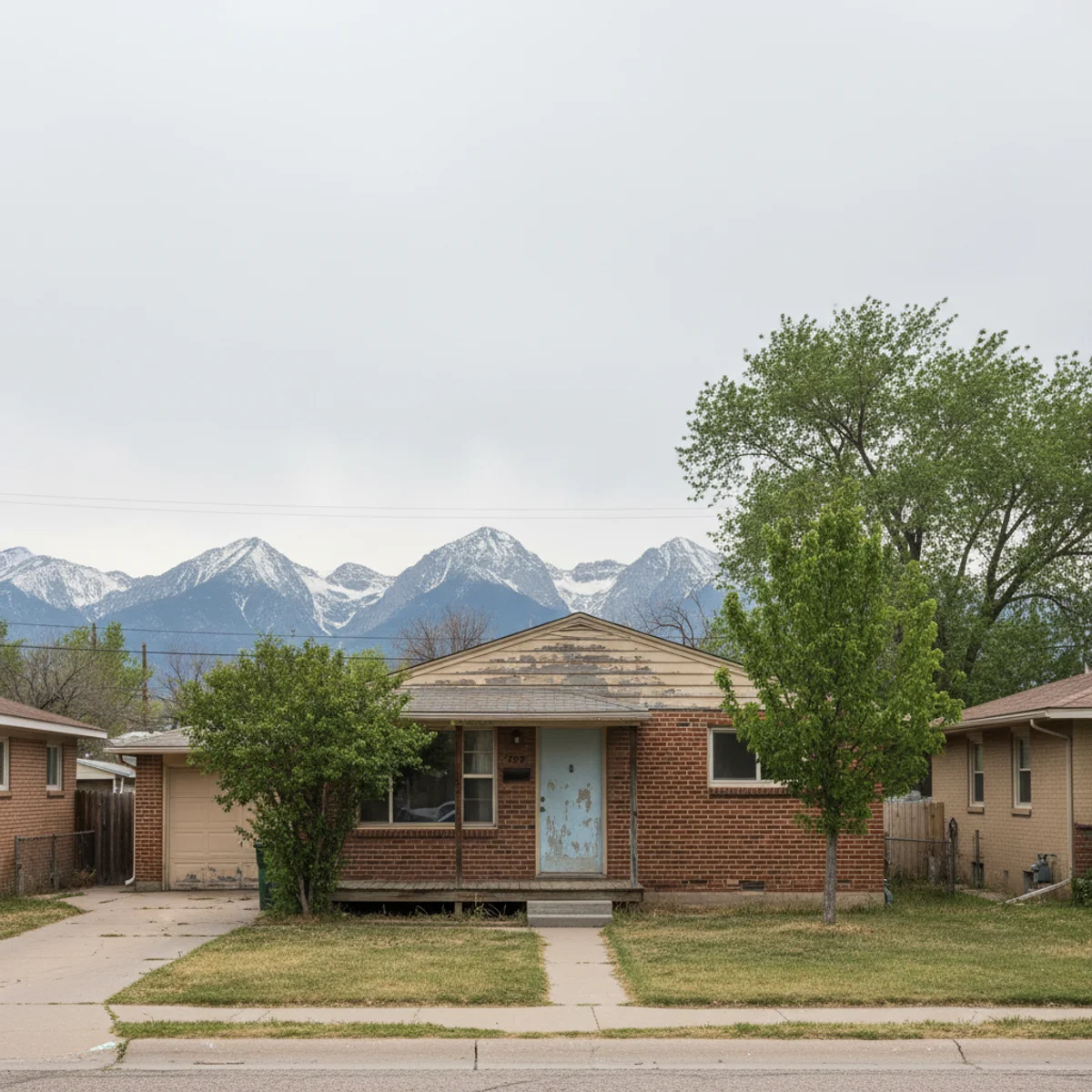
Can you sell a house as is in Colorado without disclosing defects? The short answer is no. Colorado law requires property disclosures even when you sell your house as is in Denver, but here’s what that actually means for your situation. You’re legally required to complete the Colorado Real Estate Commission’s Seller’s Property Disclosure form, but selling as is simply means the buyer accepts the property’s current condition. You disclose the problems, they accept them, and you move forward without making repairs.
Denver homeowners dealing with needed repairs, inherited properties, or time pressure are discovering that as-is sales solve problems that traditional listings can’t. With Denver’s median home price at $575,000 and average days on market hovering around 30 days, the numbers look good on the surface. But those traditional sale timelines don’t account for inspection negotiations, repair demands, or deals falling through when buyers can’t secure financing for properties needing work.
The good news is that roughly 25% of Denver sales are cash transactions, and many of those involve as-is properties. That means there’s an established market of Denver cash home buyers ready to make offers on homes in any condition, from Park Hill to Stapleton to Washington Park.
Let’s walk through exactly what Colorado law requires, what you can skip, and how the process actually works.
Colorado As-Is Sale Laws: What Sellers Must Disclose
Colorado operates under a “buyer beware” framework with specific disclosure obligations. You’re required to complete the Seller’s Property Disclosure form, which covers everything from structural issues to material defects you’re aware of.
The form asks about foundation problems, roof condition, water damage, electrical and plumbing systems, pest infestations, and environmental hazards. You must answer honestly about issues you know about. The key phrase is “known defects.” You’re not required to hire inspectors or conduct investigations, but you can’t hide problems you’re already aware of.
Here’s where as-is sales get simpler. When you sell properties in Colorado through traditional listings, buyers often discover issues during inspections and demand repairs or credits. You either negotiate, make the fixes, or risk the deal collapsing. With as-is cash sales, the buyer receives your disclosure, inspects the property if they choose, and makes an offer based on current condition. They’re not asking you to fix the foundation crack or replace the aging HVAC. They’re factoring those costs into their offer price.
Colorado Revised Statutes Section 38-35.5-101 addresses real estate disclosures, and the state takes them seriously. Selling as is doesn’t exempt you from disclosure requirements. It just changes what happens after disclosure. Traditional buyers might walk away when they learn about problems. Cash buyers typically adjust their offer and move forward.
The disclosure form also requires information about homeowners association rules, special assessments, and property boundary disputes. These matter regardless of property condition. If your Capitol Hill Victorian has an ongoing HOA dispute, that information belongs on the disclosure form whether you’re selling to a family with conventional financing or a cash investor.
For a complete guide, read our resource on selling your house as is in Denver.
Get Your Free Cash Offer Today
No fees. No repairs. Close in as little as 7 days.
What Happens If You Don’t Disclose Defects in Colorado?
Skipping disclosures or lying on the form creates legal liability that follows you after closing. Colorado buyers can sue sellers for material misrepresentation, and “I sold it as is” isn’t a valid defense against disclosure fraud.
Material defects are issues that would affect a buyer’s decision to purchase or the price they’d pay. A cracked foundation is material. A sticky bedroom door probably isn’t. Water damage that caused mold growth is material. A stain on the carpet from your dog isn’t.
If a buyer discovers you knew about foundation settlement and didn’t disclose it, they can pursue legal action even after the sale closes. Colorado courts have consistently ruled that as-is clauses don’t protect sellers from fraudulent concealment. You can sell a house with a cracked foundation, but you must tell the buyer about it.
The financial consequences go beyond potential lawsuits. If you’re selling because you’re facing financial pressure or potentially considering options to sell your house as is in Colorado Springs, the last thing you need is legal liability following you after the sale. Honest disclosure protects you legally and speeds up the process since buyers aren’t discovering surprises during their walkthrough.
Cash buyers actually prefer detailed disclosures. They’re not looking for perfect homes. They want accurate information so they can make fair offers quickly. When you’re upfront about the roof leak in your Washington Park bungalow, they calculate repair costs and make an offer. When you hide it, they find it during their walkthrough, and either the deal dies or you’ve damaged the trust that makes quick closings possible.
The disclosure form takes about 30 minutes to complete honestly. That small time investment protects you from months or years of potential legal problems.
Which Repairs Are Worth Making Before Selling in Denver?
For most as-is sellers, the answer is almost none. The math rarely works in your favor once you account for contractor costs, time delays, and the reality that repairs don’t increase sale price dollar for dollar.
Let’s say your Five Points property needs $15,000 in roof repairs. A contractor quotes you $15,000 and says it’ll take three weeks. You also need to coordinate the work, be present for inspections, and hope everything goes smoothly. After the roof is done, you list the house and wait for buyers. Between repairs and selling time, you’ve added six to eight weeks to your timeline.
Now consider the alternative. A cash buyer evaluates your house with the damaged roof, factors the $15,000 repair into their offer, and you close in two weeks. You skip the contractor coordination, avoid the risk of cost overruns, and walk away with cash faster. The offer might be $15,000 lower than if the roof were perfect, but you’re not paying for repairs out of pocket and you’re not carrying mortgage payments, utilities, insurance, and property taxes for those extra weeks.
The exceptions are truly minor cosmetic issues that take minimal time and money. If your Stapleton townhome needs a $200 deep cleaning and you can do it yourself in a weekend, that might be worth it. If your listing photos would show trash in the yard and you can haul it away for free, do it. But anything requiring contractors, permits, or significant time investment typically costs more than it returns.
Denver’s stable market and moderate inventory levels mean buyers exist for properties in any condition. With homes averaging 30 days on market through traditional channels, you’re not facing a situation where minor fixes make the difference between selling and sitting empty for months. The demand exists. The question is whether you want to sell fast or spend weeks preparing for a traditional listing that might net similar proceeds after all costs.
Structural repairs, major system replacements, and extensive renovations almost never make financial sense for sellers planning to exit quickly. Price those projects out, calculate your net proceeds both ways, and you’ll see why most Denver homeowners choose to sell a house fast in Denver to cash buyers rather than investing time and money into repairs.
Find Out What Your Home Is Worth
Get a no-obligation cash offer in 24 hours.
How Lender Requirements Affect As-Is Sales in Denver
Traditional buyers using FHA, VA, or conventional mortgages face lender requirements that often kill deals on as-is properties. These aren’t buyer preferences. They’re financing conditions the buyer can’t waive.
FHA loans require properties to meet minimum property standards. Peeling paint, non-functioning appliances, safety hazards, and certain structural issues must be resolved before closing. If your Denver home has any of these problems, FHA buyers can’t purchase it until you make repairs. VA loans have similar requirements focused on safety and habitability.
Conventional loans offer more flexibility but still require appraisals. If your property’s condition affects the appraisal value, the lender might reduce the loan amount or require repairs before funding. When the appraisal comes in low, buyers either need larger down payments or you need to reduce the price. Both outcomes delay closing or kill the deal entirely.
This is why condition matters more for financed buyers than cash home buyers in Colorado. Cash buyers aren’t answering to underwriters or appraisers. They evaluate the property themselves, make an offer based on their own calculations, and close when title work is complete. No lender requirements. No minimum property standards. No appraisal contingencies.
Denver’s 25% cash sale rate reflects this reality. In a city where properties average $575,000, plenty of investors and cash buyers operate in the market specifically targeting as-is properties that don’t qualify for traditional financing.
If you list your Park Hill home traditionally with foundation cracks, outdated electrical, and a roof past its useful life, you’re limiting your buyer pool to cash purchasers or very well-funded buyers willing to take on immediate projects. Why not market directly to the cash buyers who actually want properties in that condition?
The disclosure requirements stay the same whether your buyer pays cash or uses financing. The difference is what happens after disclosure. Financed buyers often can’t move forward even if they want to. Cash buyers can.
Cash vs. Financed Buyers for As-Is Homes in Denver
Let’s compare what actually happens with each buyer type when your property needs work.
Traditional financed buyers typically follow this path. They view your home, like the location and price, and make an offer contingent on inspection, appraisal, and financing. The inspection reveals $25,000 in needed repairs. They request credits or repairs. You negotiate. Maybe you agree to split the cost. The appraiser then evaluates the property and notes condition issues that affect value. The lender reviews everything and either approves the loan with repair requirements or denies it because the property doesn’t meet lending standards. The closing date gets pushed back while everyone addresses these issues, or the deal falls apart entirely.
Traditional sale scenario:
- List price: $575,000
- Agent commissions (6%): $34,500
- Seller closing costs: $5,750
- Pre-listing repairs: $20,000
- Inspection credit negotiations: $8,000
- Carrying costs during 60-day sale: $6,000
- Net proceeds: $500,750
Cash sale scenario:
- Offer price: $460,000 (80% of ARV)
- Closing costs (minimal): $2,000
- Repairs needed: $0
- Time to close: 14 days
- Carrying costs: $1,400
- Net proceeds: $456,600
Selling Your Denver Home As Is: Getting Started
The process starts with understanding what you have and what you want. Take stock of your property’s condition honestly. Walk through with a critical eye and note obvious issues. Foundation cracks in the basement? Write it down. Roof showing its age? Note it. Outdated kitchen and bathrooms? Add those.
You’re not conducting a professional inspection. You’re creating a realistic picture of what cash buyers will see when they evaluate the property. This helps you set realistic expectations for offers and makes the disclosure process straightforward.
Next, decide on your timeline. Do you need to close within two weeks? Will 30 days work? Are you flexible? Your timeline affects which buyers fit your situation. Some cash buyers can close in seven days if needed. Others prefer 14 to 21 days for title work. Traditional buyers need 30 to 45 days minimum.
Once you’ve assessed condition and timeline, contact cash buyers who operate in Denver. Look for companies with local knowledge, transparent processes, and clear track records. Ask about their evaluation process, typical timelines, and how they calculate offers. Legitimate buyers explain their methodology and give you time to make informed decisions.
When you’re ready to get your cash offer, a buyer representative will schedule a property walkthrough. They’ll spend 20 to 30 minutes evaluating the home’s condition, taking photos, and noting needed repairs. They’re not judging your housekeeping. They’re assessing structural condition, system age, and repair scope.
Within 24 to 48 hours, you’ll receive a written cash offer. The offer should clearly state the purchase price, proposed closing date, and any conditions. Review everything carefully. Ask questions about how they arrived at the price and what happens next if you accept.
If the numbers work for your situation, you accept the offer and choose your closing date. The buyer orders title work to ensure clear ownership. The title company handles paperwork and schedules closing. On closing day, you sign documents, hand over keys, and receive payment via wire transfer or cashier’s check.
The entire process from first contact to closed sale typically takes 10 to 21 days depending on your timeline preferences and how quickly title work gets completed. You’re in control of the schedule. If you need to close faster because you’re relocating for work or slower because you need time to move, communicate that upfront.
Denver sellers in neighborhoods from Highlands to Cherry Creek to Montbello are using this process to exit properties quickly without repair headaches. The market supports as-is sales because demand exists from cash buyers specifically targeting properties that need work.
If you’re dealing with inherited property, divorce, job relocation, or financial pressure, quick home sale options in Colorado through cash buyers often provide the cleanest exit. You’re not spending months preparing the property, negotiating with multiple buyers, or hoping deals hold together through inspection and appraisal hurdles.
The Denver market’s stability and moderate inventory levels mean you’re not forced to accept unreasonably low offers just because your property needs work. Multiple cash buyers operate in the metro area, and shopping your property to several creates competitive pricing pressure that benefits you.
Start by getting clear on what you want. Fast closing? Maximum price? Minimal hassle? Guaranteed sale date? Different approaches optimize for different priorities. As-is cash sales optimize for speed, certainty, and convenience. Traditional listings optimize for maximum price when you have time and your property is in good condition.
Most Denver sellers dealing with properties that need significant work find that as-is sales deliver better overall outcomes once all costs and risks factor in. The process is faster, simpler, and more predictable than traditional sales. You’re working with buyers who want properties in current condition rather than trying to convince traditional buyers to overlook needed repairs.
The first step is the same regardless of which direction you choose. Assess your property honestly, decide on your priorities, and explore your options. Understanding Colorado’s disclosure requirements protects you legally. Understanding market dynamics helps you set realistic expectations. Understanding buyer differences helps you choose the path that fits your situation.
Denver’s market supports both traditional and as-is sales. The question isn’t whether you can sell. It’s which approach delivers the outcomes you need on the timeline that works for your situation.
For more details, see our guide on as-is home sales in Aurora.
We also help homeowners in Denver dealing with divorce, foreclosure, and inherited property situations.
Curious how your area compares nationally? Our Vacant & Abandoned Property Index ranks every U.S. county on held-off-market vacant housing.

Ready to Sell? Let's Talk.
Get your cash offer now. No obligation, no hassle.

Lisa is a Senior Contributor at NestCash, writing expert content on real estate, homeownership, and market trends. She covers 12 states, with a focus on making real estate information practical, clear, and useful.