Sell Rental Property In Atlanta: Trusted Buyers, Fast Close
Tired of managing Atlanta rentals? Learn how to sell rental property in Atlanta fast for cash, skip repairs, and close in days. Get your offer today.

Senior Contributor, NestCash··12 min read
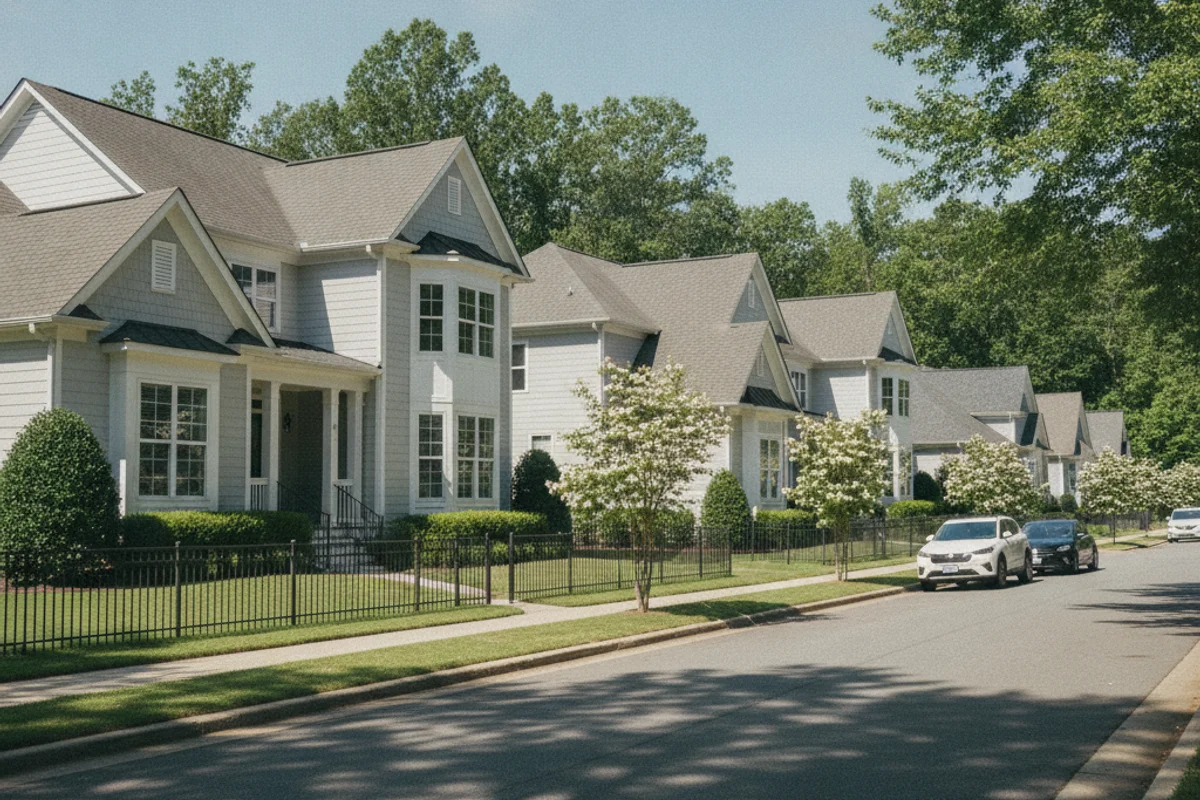
Your Atlanta rental has been sitting on your balance sheet for years, and the math just stopped working. If you’re ready to sell your rental property in Atlanta, you are not alone. In 2026, a growing number of Georgia landlords are cashing out, and the reasons are stacking up fast: rising maintenance costs, difficult tenant situations, and a stable but slow resale market where the average home sits for 68 days before going under contract. This guide breaks down exactly what it takes to exit cleanly, legally, and profitably so you can stop losing sleep over a property that’s supposed to be building your wealth.
Why Atlanta Landlords Are Exiting the Market in 2026
The numbers that looked great in 2019 don’t look the same today. Atlanta’s median home price sits at $446,000, which sounds like a win on paper. But if your rental is in Vine City, West End, or College Park, you know that rising property values haven’t always translated into rising rents that keep pace with actual expenses.
Here’s the thing: property taxes in Fulton and DeKalb counties have climbed sharply over the past three years. The Fulton County Tax Assessor’s office has reassessed thousands of residential properties upward, and rental owners don’t get the homestead exemption that owner-occupants use to soften the blow. Insurance premiums on older rental stock have followed the same upward trend, with some landlords seeing 20-30% rate increases at renewal. Add deferred maintenance on a 1970s bungalow and you’re looking at a cap rate that barely clears 4% after real expenses, sometimes less.
National Association of Realtors data confirms that small landlords with one to four units are selling at higher rates than institutional investors right now. The reason is straightforward. Individual landlords don’t have the capital reserves to weather vacancy cycles the way large portfolio operators do, and a single bad tenant situation can erase an entire year of cash flow in legal fees and lost rent alone.
Atlanta’s rental market has also shifted demographically. Remote work migration brought new renters into suburban Cobb and Gwinnett counties, pulling demand away from some of the older intown neighborhoods where individual landlords tend to own. If you’ve been holding a property hoping the market spikes, the current stable inventory level in Atlanta suggests a dramatic price surge isn’t coming in the near term. Selling now while values remain near their peak is a legitimate exit strategy, not a retreat.

Get Your Free Cash Offer Today
No fees. No repairs. Close in as little as 7 days.
Related Video
Can You Sell an Atlanta Rental Property with Tenants Still Living There?
Yes. You can sell a rental property in Atlanta while tenants are actively occupying it. This is the single most common question landlords ask, and the answer is clear. The lease does not evaporate when the property changes hands.
Under Georgia law (OCGA Title 44, Chapter 7), an existing lease transfers to the new buyer automatically at closing. The tenant’s rights don’t change. Their lease terms, monthly rent amount, and security deposit obligations all carry over to the new owner without interruption. As the seller, you are required to transfer the security deposit funds to the buyer at closing or return the deposit directly to the tenant, depending on how the transaction is structured.
What this means practically is that your exit timeline depends partly on the lease structure you currently have in place:
- Month-to-month tenants: Either party can terminate with 60 days written notice in Georgia, giving you a clear path to a vacant property if you need it before closing.
- Fixed-term leases: The tenant has the legal right to remain through the lease end date. The buyer takes the property with the lease fully attached, rent amount and all conditions included.
- Vacant property: The easiest sale scenario from a logistical standpoint, but deliberately creating vacancy to sell means losing rental income for months and isn’t always worth the tradeoff.
Traditional buyers financing with a conventional mortgage typically want the home vacant at closing. That’s just how retail buyers are wired. Atlanta cash home buyers who specialize in investment properties understand lease transfers completely and can close without requiring you to displace anyone. That flexibility alone makes the cash route significantly more practical for landlords with long-term tenants.
Georgia Tenant Rights During a Property Sale
Georgia landlords are required to provide reasonable notice before entering an occupied unit for showings or inspections, typically 24 hours under OCGA 44-7-14. You cannot force tenants to leave for showings, and you cannot use pressure tactics or repeated unannounced entries as a strategy to manufacture vacancy. Doing so exposes you to legal liability under Georgia’s landlord-tenant statutes and can complicate your sale if a tenant files a complaint.
The tenant has the right to quiet enjoyment of the property through the full duration of their lease, regardless of who holds the deed. That right doesn’t pause because you’ve decided to sell. This is worth keeping in mind as you plan your showing schedule and communicate with potential buyers about access.
Section 8 and housing voucher tenants add another layer to the process. If your tenant holds a Housing Choice Voucher, the HAP (Housing Assistance Payment) contract exists between you and the local housing authority, not just between you and the tenant. When you sell, the new owner must affirmatively agree to assume that HAP contract, or the tenant may need to find alternative housing. Some cash buyers, particularly those with existing investment portfolios, are comfortable continuing Section 8 arrangements. Others are not. This is a conversation to have with potential buyers early in the process, before you’re under contract. You can find detailed federal guidance on voucher program obligations at HUD.gov.
One practical option worth exploring before you list: a cash-for-keys arrangement. You offer the tenant a financial incentive, typically one to two months of rent, to vacate voluntarily before the sale closes. This is completely legal in Georgia, entirely voluntary on the tenant’s part, and often far cheaper than carrying the property through additional months of vacancy after a lease ends. Many landlords find that tenants are more willing to cooperate when there’s a clear financial benefit for them.

Find Out What Your Home Is Worth
Get a no-obligation cash offer in 24 hours.
The True Cost of Being a Landlord in Atlanta
Let’s run the actual math, because this is where most landlords have their moment of clarity.
Say you own a three-bedroom rental in East Point or Decatur. The property rents for $1,800 per month. On the surface, that’s $21,600 annually in gross income. But here’s what actually comes out before you see a dollar of real profit:
- Property taxes (Fulton County): $3,200 to $4,500 per year depending on assessed value, without homestead exemption
- Insurance: $1,800 to $2,400 per year for a proper landlord rental policy, higher on older construction
- Maintenance reserve (1-2% of home value annually): $4,000 to $8,920 on a $446,000 property, and that’s in a year nothing major breaks
- Property management (if applicable): 8-10% of gross rent, roughly $1,728 to $2,160 per year
- Vacancy allowance (5-8%): One month empty costs you $1,800 in lost income and often another $500 to $1,000 in turnover cleaning and minor repairs
- Occasional capital expenses: HVAC systems in Atlanta’s hot summers typically need replacement every 12-15 years. A new unit runs $5,000 to $8,000 installed.
Do the math honestly and your $21,600 in gross rent shrinks to somewhere between $4,000 and $8,500 in actual net income in a clean year. That’s a sub-3% cap rate on a $400,000 asset. You could earn more putting that equity into a Treasury fund with zero landlord headaches, no 2 a.m. plumbing calls, and no lease renewal negotiations.
The IRS rental income guidance does allow you to deduct many of these expenses against your rental income, which helps at tax time. But deductions don’t replace cash that was never generated. They reduce your tax bill on income you didn’t fully collect.
One alternative before you commit to selling outright: a 1031 exchange. Under IRS Section 1031, you can defer capital gains taxes by rolling the sale proceeds from your Atlanta rental directly into a like-kind investment property. You have exactly 45 days after closing to identify a replacement property and 180 days to close on it. The rules are strict, the timelines are unforgiving, and you’ll need a qualified intermediary involved before your current sale closes. But if you want to stay in real estate investing without staying in this specific property, a 1031 is worth a serious conversation with your CPA before you sign anything.
Cash Buyers vs. Traditional Sale: The Real Numbers for Atlanta Rentals
You have two real paths when you’re ready to exit: list with an agent on the open market or sell directly to a cash buyer. Each has a very different cost structure and timeline. For a deeper side-by-side look at actual net proceeds, read our breakdown of cash offer vs. listing with a realtor in Atlanta.
Traditional sale through an agent:
- Average 68 days on market in Atlanta, plus 30-45 more days to close after going under contract
- Agent commissions typically run 5-6% of the sale price, which on a $400,000 property is $20,000 to $24,000 out of your pocket
- Georgia requires a Seller’s Property Disclosure Statement covering all known material defects. Review Georgia’s seller disclosure obligations before you list so you understand your liability exposure
- A home inspection is standard practice and frequently triggers repair requests or price reduction negotiations after you’re already under contract
- Tenants must cooperate with scheduled showings, sometimes multiple per week. This is not always guaranteed, and an uncooperative tenant can quietly kill your deal
- Financing contingencies mean deals fall through weeks into the process, forcing you to start over
Add it up on a $400,000 rental property: $20,000 to $24,000 in agent commissions, $8,000 to $15,000 in inspection-driven repair requests and buyer concessions, plus three to four months of carrying costs at $1,800 per month in missed rent if you need the property vacant. You can easily give back $35,000 to $45,000 before you net a single dollar.
Selling to a cash buyer:
- Close in 7 to 21 days in most cases, sometimes faster if both sides are motivated
- No repairs, no cleaning, no staging, no weekend open houses
- No commission fees deducted from your proceeds
- Tenants do not need to be displaced before closing, which eliminates a major source of stress and legal risk
- No financing contingency means the deal doesn’t collapse because a lender pulled approval at the last minute
- Roughly 20% of Atlanta home sales already close as all-cash transactions, so this is a deep and established market with serious buyers
The cash offer will typically land below the MLS list price. That’s the honest tradeoff. But when you subtract commissions, inspection repairs, holding costs, and the real-world difficulty of managing showings through occupied tenants, the actual net difference between a cash sale and a traditional sale is often much smaller than landlords initially expect.
We help landlords sell houses in Georgia wide, so if you own additional rental properties outside the Atlanta metro, the same streamlined process applies across the state.
4 Steps to Sell Your Atlanta Investment Property Fast
The good news is that this process doesn’t have to be complicated or drag on for months. Here’s exactly how a fast cash sale works for a rental property in Atlanta, from first contact to cleared funds.
Step 1: Request a no-obligation offer. You provide basic details about the property, including its current condition, neighborhood, and tenant situation. We assess everything and come back with a number. You can get your cash offer today without committing to anything or signing any agreements upfront.
Step 2: Review the offer and ask every question you have. A reputable cash buyer will walk you through how they calculated the offer. Ask specifically about their experience with tenanted properties, their approach to Section 8 situations if applicable, and exactly how the security deposit transfer will be handled at closing. Transparency at this stage is a good sign about how the rest of the process will go.
Step 3: Set a closing date that works for your situation. Unlike a traditional sale where the buyer’s mortgage lender controls the calendar, a cash sale closes when you’re ready. Need 10 days to wrap up your bookkeeping? Done. Need 30 days to coordinate with your CPA about capital gains exposure or a potential 1031 exchange? Also fine. The timeline is yours to set.
Step 4: Close and receive your funds. You sign the closing documents, the deed transfers, and the proceeds hit your account. The buyer assumes the tenant relationship, the existing lease, and all future landlord obligations the moment the transaction records. Your job is finished.
There’s no drawn-out preparation period, no weekend open houses where tenants are asked to disappear for three hours, and no home inspector finding a cracked heat exchanger that gives the buyer leverage to demand $6,000 in concessions right before closing.
If you’re managing a property that also carries mortgage complications alongside the tenant situation, our article on selling a house with a mortgage in Savannah covers how existing liens and mortgage payoffs work within a cash closing. The same mechanics apply throughout Georgia, including Atlanta.
We serve landlords across the entire state. If you hold rentals in other Georgia markets, our Athens, Georgia and Savannah, Georgia pages offer local guidance specific to those markets and their tenant populations.
Owning a rental property in Atlanta is supposed to build long-term wealth. When the cash flow math stops working and the headaches start outweighing the returns, selling to a qualified cash buyer isn’t giving up on your investment strategy. It’s making a clear-eyed decision about where your equity does the most work. You’ve put in the years. Now it’s time to capture that value and move forward on your terms.
NestCash works with Atlanta homeowners dealing with divorce, foreclosure, inherited properties, and homes that need to sell as-is every single day.

Ready to Sell? Let's Talk.
Get your cash offer now. No obligation, no hassle.

Lisa is a Senior Contributor at NestCash, writing expert content on real estate, homeownership, and market trends. She covers 12 states, with a focus on making real estate information practical, clear, and useful.