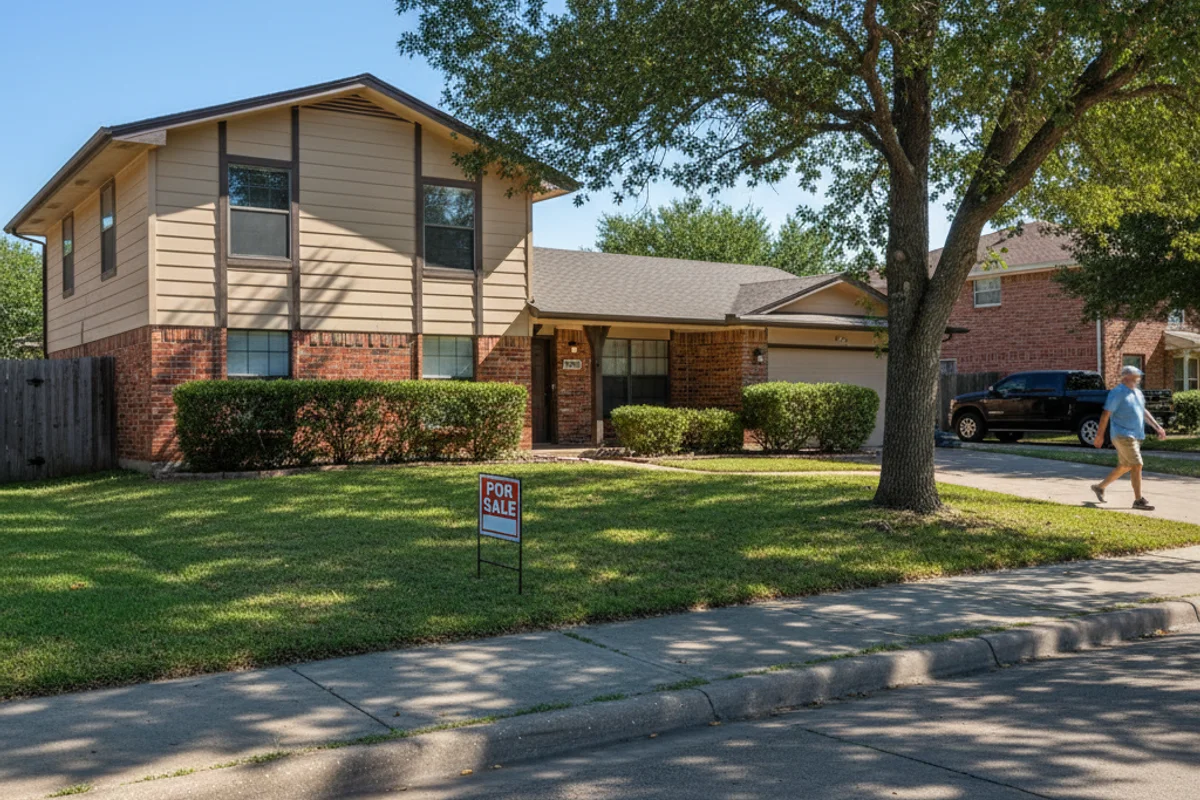
Sell Inherited House In Fort Worth: Close in 7 Days or Less
Need to sell an inherited house in Fort Worth? Learn Texas probate steps, tax implications, and how cash buyers close in 7-14 days. Get your fair offer today.

Founder, NestCash··12 min read

Losing someone you love is hard enough. Suddenly finding yourself responsible for their house, their mortgage, their property taxes, and years of accumulated belongings on top of grief is a different kind of overwhelming. If you’re trying to figure out how to sell an inherited house in Fort Worth, you’re not alone, and there is a clear path forward. This guide walks you through Texas probate, the real costs of holding onto the property, and why a cash sale is often the fastest and least stressful way to close this chapter and move forward with your life.
What to Do When You Inherit a House in Fort Worth
The first few weeks after inheriting a property usually feel chaotic. There are phone calls to return, paperwork to locate, and decisions to make at exactly the moment when your energy is at its lowest. Before you commit to selling, renting, or keeping the home, take a breath and work through these practical steps one at a time.
Secure the property. Change the locks, forward the mail, and make sure the utilities stay on. A vacant home in neighborhoods like Wedgwood or Riverside can attract vandalism quickly, and Fort Worth’s summer heat can cause real damage to a home that isn’t climate-controlled. Temperatures regularly hit triple digits from June through September, and a house without working AC can develop mold, cracked woodwork, and plumbing stress in a matter of weeks.
Locate the will and any estate documents. The will determines who has legal authority over the property. If there is no will, Texas intestate succession laws will apply, and the court will determine the rightful heirs based on family relationships. Track down the deed as well. Knowing exactly how title was held, whether as sole ownership, joint tenancy, or community property, affects how the transfer process works.
Identify all heirs. Inherited properties often involve multiple siblings or family members. Everyone with a legal interest in the property must agree on what to do with it. Disagreements here are common, and they can stall everything. Getting alignment early, even if it means some difficult conversations, saves a lot of time and legal fees down the road.
Contact a probate attorney in Tarrant County. This is not optional. Texas probate law is specific, and having local legal counsel early will save you significant time and money. A good probate attorney will also flag any outstanding liens, unpaid taxes, or title issues that could complicate a future sale.
Once you have a clearer picture of the legal situation, you can start exploring your options for the property itself.

Get Your Free Cash Offer Today
No fees. No repairs. Close in as little as 7 days.
Related Video
Understanding Texas Probate and Inherited Property
Probate is the legal process that transfers a deceased person’s assets, including real estate, to their heirs. In Texas, there are several paths through probate, and the one that applies to you depends on whether there’s a valid will, the size of the estate, and whether the deceased left any significant debts.
Independent Administration is the most common route in Texas. It gives the executor broad authority to manage and sell property without court approval at every step. This process typically takes 3 to 6 months, though complex estates or contested wills can take considerably longer. The Tarrant County Probate Court handles these filings locally, and the court’s docket can affect how quickly your case moves through the system.
Muniment of Title is a faster option available when there’s a valid will and no significant debts owed to creditors other than those secured by real estate. It allows the will itself to serve as proof of ownership without requiring a full probate proceeding. This can wrap up in just a few weeks, making it one of the most efficient options available to Texas heirs.
Small Estate Affidavit applies when the total estate value, excluding homestead property, is under $75,000. It’s a simplified filing that avoids formal probate entirely and can be processed relatively quickly with the right documentation in hand.
One important distinction that surprises many heirs: selling during probate works differently than selling after probate. During probate, the executor or administrator has authority to list and negotiate a sale, but the actual closing typically can’t happen until the court formally authorizes the transaction. After probate concludes, the heir or heirs hold clear title and can sell freely without additional court involvement. A cash buyer who regularly works with inherited properties understands this timeline and can structure the deal around it, often beginning the paperwork and negotiation process well before probate officially closes.
You can review how the probate process works in detail through Nolo’s legal encyclopedia, which covers Texas-specific nuances and explains what executors can and cannot do without court approval.
For a complete guide, read our resource on selling your house in Fort Worth.
The Hidden Costs of Keeping an Inherited Fort Worth Home
Property taxes. Tarrant County property taxes are due regardless of whether anyone is living in the home or whether the estate is still in probate. You can check current assessed values through the Tarrant Appraisal District. On a home near Fort Worth’s median value of $337,000, you could be paying $500 or more per month in property taxes alone, depending on the local tax rate and any exemptions the previous owner was receiving that no longer apply to the estate.
Homeowner’s insurance. Standard policies often exclude vacant homes after 30 to 60 days of vacancy or require a special vacancy rider, which costs significantly more than a standard policy. If the property goes uninsured and a pipe bursts, a tree falls on the roof, or a break-in occurs, you’re personally exposed to the full repair cost.
Maintenance and repairs. Fort Worth summers are brutal on houses. HVAC systems, roofs, and plumbing all take a beating in the Texas heat. A home that sat untouched for months while the estate worked through probate may have deferred maintenance that adds up to tens of thousands of dollars before you even list it. Even routine upkeep, lawn care, pest control, and gutter cleaning runs several hundred dollars a month on an average-sized home.
HOA fees. Many Fort Worth subdivisions, particularly in established areas like Hulen Bend or Western Hills, have active homeowners associations with monthly fees ranging from $50 to over $300. Those fees and any violation fines don’t pause because someone passed away. If they go unpaid long enough, the HOA can place a lien on the property.
Utilities. Keeping the lights and water on in an empty home is a recurring expense that most people don’t account for upfront. Electric bills in a Fort Worth summer can run $150 to $250 per month even in a vacant house if you’re keeping it cooled enough to protect floors and walls from the heat.

Find Out What Your Home Is Worth
Get a no-obligation cash offer in 24 hours.
Should You Renovate an Inherited Fort Worth House Before Selling?
This is one of the most common questions heirs ask, and the honest answer is that for most people in most situations, renovating before selling costs more than it returns. Older Fort Worth homes, especially those built before 1990 in neighborhoods like Como or Polytechnic Heights, often have issues that compound quickly once contractors start opening walls. What looks like a cosmetic update can turn into a months-long project.
Here’s a side-by-side look at your two main options:
| Factor | Renovate Then List | Sell As-Is to Cash Buyer |
|---|---|---|
| Time to close | 4 to 6 months or more | 7 to 14 days |
| Upfront costs | $20,000 to $80,000+ depending on condition | $0 |
| Sale price | Closer to market value | Below market, but no costs |
| Risk | Renovation delays, cost overruns | Very low |
| Showings required | Yes, 10 to 20+ typically | No |
| Seller’s Disclosure Notice | Required | Required |
| Inspections | Buyer will request one | Usually waived |
| Holding costs during prep | Ongoing for months | Eliminated quickly |
Texas law requires sellers to complete a Seller’s Disclosure Notice for residential property, even inherited homes sold as-is. This form, administered by the Texas Real Estate Commission, covers known defects and material facts about the property’s condition. You’ll need to disclose what you know regardless of which path you choose, so don’t assume selling as-is eliminates all paperwork.
The renovation math rarely pencils out for heirs who aren’t local contractors with existing subcontractor relationships. By the time you’ve paid for a new roof at $15,000 to $25,000, updated the kitchen at $20,000 or more, and covered six months of holding costs while the work gets done, you may net less than if you’d simply sold as-is from the start. A cash buyer prices the property in its current condition and handles everything from there.
Tax Implications of Selling Inherited Property in Texas
Good news on the tax front, especially compared to what many heirs expect when they first start asking questions.
No Texas inheritance tax. Texas does not have a state inheritance or estate tax. Whatever you inherit, you won’t owe the state a percentage just for receiving it. This sets Texas apart from several other states where heirs face an immediate state-level tax bill.
The stepped-up cost basis. This is the most important federal tax concept for inherited property, and understanding it can save you from unnecessary anxiety. Under IRS rules, your cost basis in the home is “stepped up” to the fair market value on the date the original owner died. That means if your parent bought the house in 1985 for $90,000 and it’s worth $337,000 today, your basis is $337,000, not $90,000. You only owe capital gains tax on appreciation that happens after you inherit it.
The IRS guidance on inherited property confirms this stepped-up basis treatment and provides detail on how to calculate your gain when you eventually sell. If you sell the property shortly after inheriting it, the sale price and your stepped-up basis will be very close to the same number, meaning your taxable gain is minimal.
If you hold the property for years and Fort Worth real estate continues to appreciate, you may owe long-term capital gains tax on that growth when you eventually sell. For most heirs who want to sell an inherited house in Fort Worth quickly, acting sooner rather than later is actually the more tax-efficient move. The stepped-up basis advantage is strongest right after you inherit.
One more thing worth knowing: if the estate itself is large enough to trigger the federal estate tax threshold, which sits at over $13 million for 2024, the estate pays that tax before assets are distributed to heirs. Most inherited homes in Fort Worth won’t come close to that threshold, but it’s worth confirming with a CPA if the overall estate is substantial.
Always consult a CPA or tax attorney familiar with Texas real estate before finalizing any decisions. Everyone’s situation is different, and the interaction between federal capital gains rules, estate taxes, and Texas-specific considerations deserves a professional eye.
How to Sell Your Inherited Fort Worth Home Fast for Cash
Fort Worth’s real estate market is stable heading into 2026, with a median home price of $337,000 and homes spending an average of 56 days on the market according to recent data from Redfin. That’s not a slow market by national standards, but 56 days is a long time when you’re managing an estate, paying carrying costs every month, and trying to grieve at the same time. About 26% of Fort Worth home sales are already cash transactions, which means the infrastructure for a quick, smooth cash sale is well established here. Buyers and title companies are comfortable with this process.
A traditional listing means hiring an agent, preparing and staging the home, scheduling showings for weeks on end, negotiating with buyers who have financing contingencies that can fall through, waiting through a 30 to 60 day closing timeline, and paying 5 to 6% in commissions on top of any repair credits the buyer negotiates after inspection. That process works well in many situations. It’s rarely the right fit for an inherited property where time, carrying costs, and emotional bandwidth are all limited.
When you work with Fort Worth cash home buyers, the process looks entirely different and moves on your schedule:
- Contact a cash buyer and share basic property details. You don’t need to clean, stage, or repair anything. A brief description and a walkthrough photo or two are usually enough to get started.
- Receive a cash offer, usually within 24 to 48 hours. The offer reflects the property’s as-is condition and the current local market. There’s no obligation to accept, and a reputable buyer will explain exactly how they arrived at the number.
- Choose your closing date. Cash sales in Texas typically close in 7 to 14 days, but you can often choose a later date if the probate process needs more time to conclude. The timeline works around you, not the other way around.
- Close and receive your funds. No commissions, no repair credits, no last-minute financing collapses, and no surprises at the closing table.
If you’re managing the property from out of state, much of this process can happen remotely. A reputable cash buyer will coordinate directly with your probate attorney, arrange a local walkthrough, and handle the ground-level logistics in Fort Worth so you don’t have to fly in for every step.
We also help heirs navigate similar situations across Texas. If the estate involves property in Dallas, our resource on cash home buyers in Dallas covers the process in that market in detail. Our Texas home selling program serves heirs and homeowners across the state, from Houston to El Paso. You can also explore our resources for sellers in Austin and Dallas if you’re dealing with multiple inherited properties or simply want to understand how the process compares in nearby markets.
Whether you’re in the early stages of probate or you have clear title and just need to move quickly, the right cash buyer will meet you exactly where you are. There’s no pressure, no obligation, and no timeline you have to hit before getting an offer.
When you’re ready to move forward, get your cash offer and find out exactly what your inherited Fort Worth property is worth today. The process is simpler than most people expect, and it starts with a single conversation.
For more details, see our guide on quick home sale in Fort Worth.
We also help homeowners in Fort Worth dealing with divorce, foreclosure, and selling as-is situations.

Ready to Sell? Let's Talk.
Get your cash offer now. No obligation, no hassle.

John is the Founder of NestCash and a leading voice in real estate investing and housing market strategy. With experience across 12 states, he helps buyers, sellers, and investors make smarter decisions using real-world insight and market data.