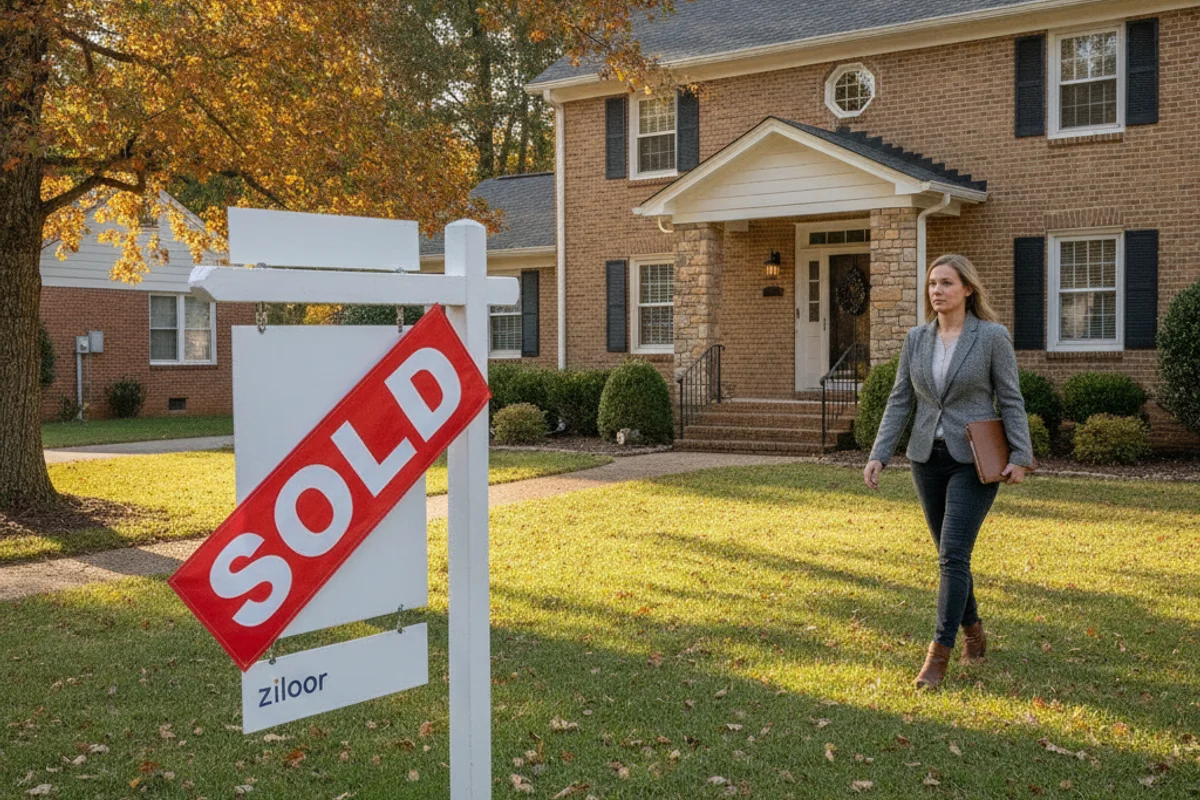
Sell Inherited House In Charlotte: Skip Repairs and Showings
Need to sell an inherited house in Charlotte? Learn NC probate timelines, stepped-up basis tax rules, and how cash buyers close in days. Get your offer today.

Founder, NestCash··12 min read
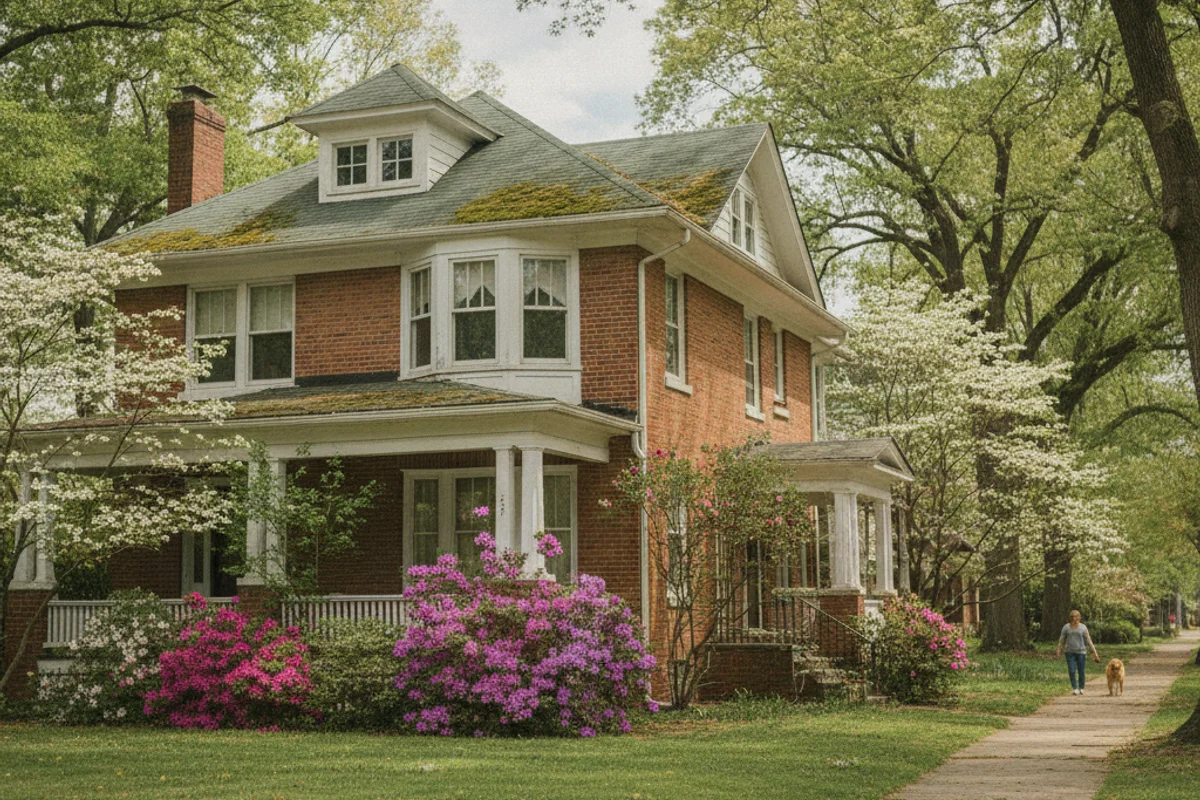
You inherited a house in Charlotte. Maybe you expected it someday, or maybe the call came completely out of nowhere. Either way, you’re now navigating grief and a stack of legal, financial, and logistical decisions at the same time. If you’re trying to figure out how to sell your inherited house in Charlotte, you’re not alone, and this guide will walk you through every step clearly and honestly. Charlotte’s median home price sits around $426,000, which means the stakes are real and the decisions matter. Let’s make sure you handle this right.
What to Do When You Inherit a House in Charlotte
The first 30 days after inheriting a property matter more than most people realize. Things slip through the cracks fast when you’re grieving, dealing with family dynamics, and trying to understand a legal process you’ve never navigated before. Here’s a practical checklist to keep you from falling behind.
Secure the property. Change the locks, verify that utilities are active, and confirm the homeowner’s insurance policy stays current. An unoccupied home can be denied coverage if the insurer isn’t notified, and Charlotte sees its share of summer storms and occasional winter ice events that can damage vacant properties quickly. A burst pipe or wind-damaged roof becomes your problem the moment you inherit the home.
Locate the will and deed. You’ll need both to move forward legally. The will names the executor and outlines who inherits what. The deed tells you how the property was titled, whether as sole ownership, joint tenancy, or tenancy in common, which directly affects how probate works and how quickly you can sell.
Notify Mecklenburg County. The county assessor’s office needs to know about ownership changes. You can find property records, tax balances, and assessed values through the Mecklenburg County GIS and Mapping portal. It’s a genuinely useful tool for getting a quick read on what the county thinks the property is worth and whether any tax balances are outstanding.
Talk to a local estate attorney. North Carolina probate law has specific requirements, and Mecklenburg County has its own courthouse procedures. An attorney familiar with the local court will save you time, money, and a lot of frustrating back-and-forth. Don’t treat this as optional.
Start documenting the property’s condition. Walk through and photograph everything. Note any visible damage, deferred maintenance, or items that need immediate attention. This documentation protects you during disclosure and helps any buyer, cash or traditional, make an accurate offer.
If you’re managing all of this from out of state, whether you’re part of Charlotte’s large transplant community from the Northeast, Midwest, or Southeast, a local attorney and a trusted cash buyer can handle most of the legwork on your behalf. Charlotte is one of the fastest-growing cities in the South, and many families who relocated here over the past two decades now find themselves inheriting property in a city they no longer live in. You don’t need to fly in every week to get this resolved.
Get Your Free Cash Offer Today
No fees. No repairs. Close in as little as 7 days.
Understanding North Carolina Probate and Inherited Property
Probate is the court-supervised process of validating a will and legally transferring assets to heirs. In North Carolina, there are two main tracks, and which one applies to you will shape your entire timeline.
Simplified probate applies to smaller estates. If the total value of assets subject to probate falls below $20,000 (or $30,000 if the surviving spouse is the sole heir), the executor can use a simplified affidavit process. This can resolve in as little as 30 to 60 days and involves far less court involvement. Most estates that include a Charlotte home won’t qualify for this path given current home values, but it’s worth confirming with your attorney.
Formal probate applies to most estates that include real property in Mecklenburg County, especially given median prices near $426,000. Formal probate in North Carolina typically runs 6 to 12 months when uncontested. The executor files with the Mecklenburg County Clerk of Superior Court, inventories the estate’s assets, notifies creditors, settles outstanding debts, and then distributes what remains to heirs. Contested estates with multiple heirs in disagreement, or situations where no valid will exists, can stretch the timeline considerably longer.
You can learn more about how the probate process works through Nolo’s plain-English legal overview, which is one of the most accessible resources available for people going through this for the first time.
One question heirs ask constantly: can you sell during probate? The short answer is yes, with conditions. You can market the property and execute a purchase contract before probate closes, but the actual transfer of title has to wait until the court grants the executor formal authority to sell. This is an important distinction. Cash buyers who specialize in inherited properties in Charlotte understand this timeline and can structure closings around it, sometimes holding an offer in place for weeks while probate wraps up. A traditional buyer with a mortgage contingency is far less likely to wait that long.
For a complete guide, read our resource on selling your house in Charlotte.
The Hidden Costs of Keeping an Inherited Charlotte Home
Holding onto an inherited property sounds manageable until the bills start arriving. Here’s what you’re actually on the hook for every month you delay making a decision.
Property taxes. Mecklenburg County property taxes average around 1.05% of assessed value annually. On a $426,000 home, that’s roughly $4,470 per year, or about $373 every month you hold the property. If the estate doesn’t have cash to cover these, they accrue and become a lien on the property.
Homeowner’s insurance. Vacant home policies cost more than standard coverage, often 25 to 50% higher than a standard policy. Budget at least $150 to $250 per month for an unoccupied Charlotte property. Some insurers will cancel coverage entirely if a home sits vacant beyond a certain number of days without notification, leaving you exposed.
Utilities and maintenance. Even an empty house needs power, water, and regular walk-throughs. Lawn care in Charlotte’s humid summers is not optional if you want to avoid code enforcement fines from the city or complaints from a neighborhood HOA. The Charlotte area averages over 40 inches of rain per year, meaning lawns grow fast and grass doesn’t wait for you to sort out your timeline.
HOA fees. Popular Charlotte neighborhoods like Ballantyne, SouthPark, and Steele Creek often have active HOAs with monthly fees ranging from $50 to $400. These fees don’t pause because a property is in probate. They continue to accrue, and unpaid balances can become a lien just like unpaid taxes.
Deferred maintenance compounding. Older homes in neighborhoods like Plaza Midwood, NoDa, or Dilworth often carry deferred maintenance that accelerates once a home sits empty. HVAC systems, roofs, and plumbing issues don’t wait for convenient timing. A small roof leak becomes a significant mold problem within a few months in Charlotte’s climate. A malfunctioning HVAC unit in a vacant home during a July heat wave can lead to warped floors and humidity damage.
Add it all up and you’re likely looking at $700 to $1,200 or more per month in carrying costs just to hold the property. Over the average 54 days Charlotte homes spend on the market, plus the time it takes to prepare and list, that’s thousands of dollars draining away before you ever see a closing check. Knowing that number changes how you think about every option in front of you.
Find Out What Your Home Is Worth
Get a no-obligation cash offer in 24 hours.
Should You Renovate an Inherited Charlotte House Before Selling?
This is one of the most common questions heirs ask, and the honest answer is: it depends, but more often than not, no.
Here’s a side-by-side comparison of your two main options so you can see clearly what each path actually involves.
| Factor | Renovate Then List | Sell As-Is for Cash |
|---|---|---|
| Upfront cost | $15,000 to $60,000+ | $0 |
| Time to close | 3 to 6 months | 7 to 21 days |
| Sale price | Closer to market value | Below market value |
| Agent commissions | 5 to 6% | None |
| Carrying costs during renovation | $3,000 to $7,000+ | Minimal |
| Renovation overrun risk | High | None |
| Out-of-state management | Difficult and stressful | Simple and straightforward |
| Buyer financing fall-through risk | Moderate | None |
For a detailed look at what these two paths actually net you after all costs are accounted for, read our breakdown of cash offer vs. listing with a realtor in Charlotte with real numbers from the local market. The gap between the two options is often much smaller than sellers expect once you factor in commissions, repairs, and months of carrying costs.
North Carolina also requires sellers to complete a Residential Property Disclosure Statement. As an heir, you disclose what you know about the property’s condition. If your knowledge is limited because you didn’t live there, selling as-is to a cash buyer simplifies this considerably. Experienced cash buyers factor the home’s condition directly into their offer rather than coming back with repair demands after an inspection.
Tax Implications of Selling Inherited Property in North Carolina
Taxes are where a lot of heirs get surprised, and usually it’s a pleasant surprise. Understanding how inherited property is taxed can take a significant weight off your shoulders.
The most important concept is the stepped-up cost basis. When you inherit a property, the IRS resets your cost basis to the fair market value of the home on the date of the original owner’s death. The IRS guidance on inherited property explains this clearly: you don’t inherit the original purchase price as your starting point, you inherit the current market value at the time of death.
Here’s what that means in practice. Say your parent bought a home in Charlotte’s Dilworth neighborhood for $120,000 in 1998. It’s worth $480,000 today. If you inherited it and sold it for $480,000, your taxable capital gain is calculated from $480,000, not $120,000. If the home sells quickly and hasn’t appreciated significantly since the date of death, your taxable gain may be very small or even zero. That’s a meaningful tax advantage compared to selling a property you purchased yourself years ago.
North Carolina also collects state income tax on capital gains, treating them as ordinary income at a flat rate of 4.5% for 2024 and 2025. This is on top of any federal capital gains tax you may owe, so it’s worth understanding both layers before you close.
A few other considerations worth knowing:
- Estate tax: North Carolina does not have a state estate tax. Federal estate tax only applies to estates above $13.61 million in 2024, so the vast majority of heirs won’t encounter this at all.
- Property tax proration: At closing, property taxes are prorated between buyer and seller based on the number of days each party owned the home during the tax year. You’ll only pay taxes for the portion of the year you held it.
- Trust considerations: If the property was held in a revocable living trust, it may transfer outside of probate entirely, which can accelerate your timeline considerably.
- Consult a CPA: Tax situations vary based on whether you’re the sole heir, whether the property was in a trust, your personal income bracket, and how long you hold the property after inheriting it. A Charlotte-based CPA familiar with inherited real estate is worth every penny of their fee.
The 3-Step Path to Selling Your Inherited Charlotte Home for Cash
If you’ve read this far, you have a clear picture of what you’re dealing with. The good news is that selling for cash is genuinely simpler than most heirs expect, and it’s more common than you might think. About 23% of Charlotte home sales are already cash transactions, making this a well-worn path in the local market.
Here’s how the process works with Charlotte cash home buyers.
Step 1: Request an offer and share property details. You share basic information about the property, its address, general condition, and your timeline. There’s no need to clean, stage, repair, or even clear out belongings before this conversation. The goal at this stage is simply to give the buyer enough information to assess the home accurately.
Step 2: Property walkthrough and offer. A local buyer will schedule a walkthrough at your convenience. For out-of-state heirs, many buyers can work from photos, video walkthroughs, and public records to make an initial assessment without requiring you to travel. You’ll receive a written, no-obligation cash offer typically within 24 to 48 hours of the walkthrough. There’s no pressure to accept, and a reputable buyer won’t follow up with high-pressure tactics.
Step 3: Choose your closing date and receive funds. Cash buyers can close in as few as 7 to 21 days, or they can hold the closing date to align with your probate timeline. You set the schedule. There are no agent commissions, no repair negotiation cycles, no buyer financing falling through at the last minute, and no open houses to coordinate on a property that may still have personal belongings inside.
We work with heirs across North Carolina. If you’re handling an inherited property in another part of the state, we also serve families in Durham and Fayetteville. You can explore all of our North Carolina home buying services to see how we help regardless of where the property is located. If you’re curious how the cash vs. listing comparison plays out in other markets, our article on selling an inherited or distressed home in Raleigh covers similar ground for the Triangle area.
When you’re ready to see a real number, get your cash offer today. You’ll have a clear figure in front of you within 48 hours, with zero obligation attached. Sometimes just knowing what an offer looks like makes the path forward much easier to see during an already difficult time.
Losing someone is hard enough. You shouldn’t have to spend the next six months managing a property, coordinating contractors, and waiting on buyers whose financing might fall through in week eight. There’s a simpler path forward, and it starts with one conversation.
We also help homeowners in Charlotte dealing with divorce, foreclosure, and selling as-is situations.

Ready to Sell? Let's Talk.
Get your cash offer now. No obligation, no hassle.

John is the Founder of NestCash and a leading voice in real estate investing and housing market strategy. With experience across 12 states, he helps buyers, sellers, and investors make smarter decisions using real-world insight and market data.