Sell House With Code Violations In Chicago: No Repairs Required
Need to sell a house with code violations in Chicago? Cash buyers close in 7-21 days, skip repairs, and save you thousands in Chicago's stable $411K market.

Senior Contributor, NestCash··10 min read
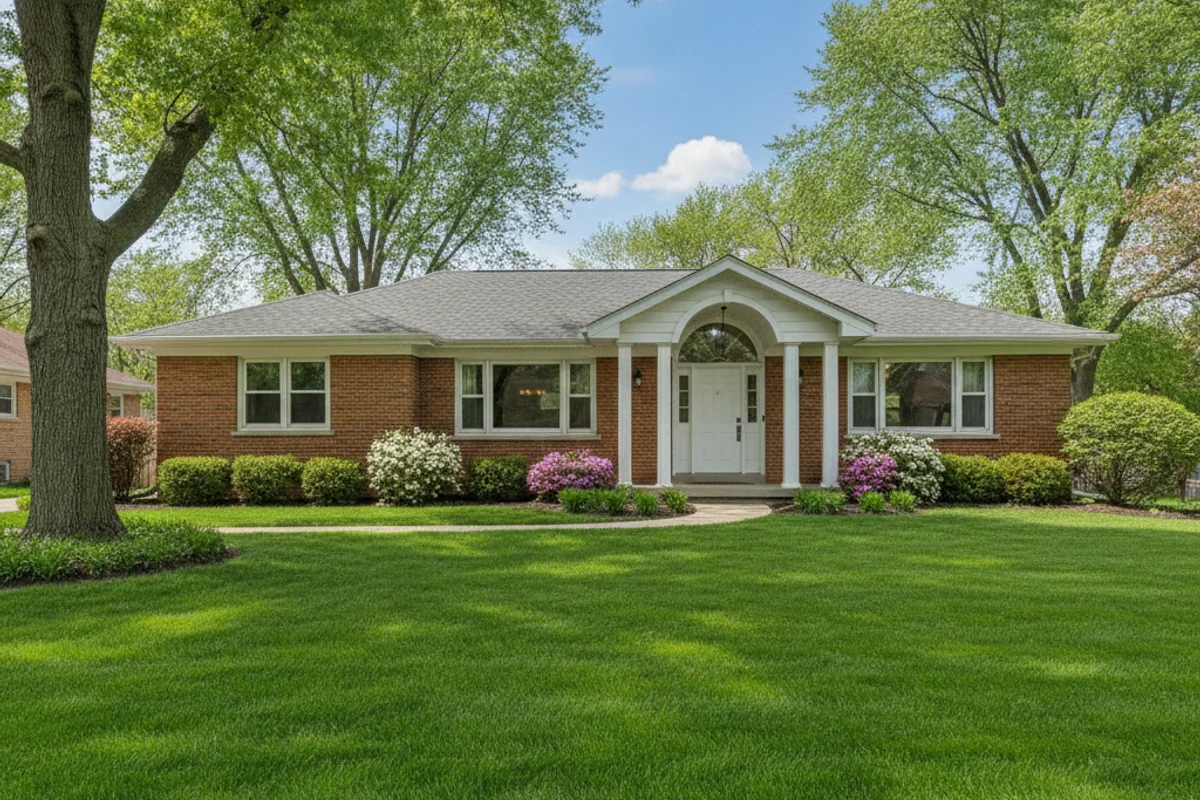
You got a notice from the city. There’s an open permit from 2009, the electrical panel doesn’t meet current code, and maybe the back addition was never properly permitted. Now you’re staring at a house you need to sell and a stack of violations you don’t have the time or money to fix. Here’s the good news: you can absolutely sell your house with code violations in Chicago without spending a dollar on repairs. Thousands of Chicago homeowners in exactly this situation have done it by working with cash buyers who specialize in purchasing properties as-is, and the process is far more straightforward than most people expect.
This isn’t a workaround or a loophole. It’s a legitimate, well-established path that’s especially common in a city like Chicago where older housing stock in neighborhoods like Pilsen, Englewood, and Avondale frequently comes with deferred maintenance, decades-old permit issues, and layers of DIY work done by previous owners who never pulled the right paperwork.
Why Chicago’s Cash Market Is Bigger Than Most Homeowners Realize
Chicago isn’t just big. It’s a city where nearly 42% of all home sales are cash transactions. That’s a substantial share of the market, and it reflects something important: there’s a deep, active pool of buyers who don’t need a mortgage, don’t need a perfectly renovated home, and don’t need you to fix anything before closing.
Cash buyers in Chicago range from individual investors to local property companies to larger institutional buyers who operate across the region. Many of them specifically seek out homes with code violations because those properties are priced below retail and represent clear renovation opportunities. That’s actually good news for you. It means there’s real competition for your property even with its issues attached, and you’re not trying to find a unicorn buyer who’ll overlook the problems.
The Chicago market currently sits at a median home price of around $411,000 according to Redfin’s Chicago market data, and conditions have been stable. That stability matters because it means you’re not trying to offload a property into a declining market. Buyers are active, inventory is moderate, and Chicago cash home buyers are actively looking for their next deal right now, violations included.
If you’ve been searching for ways to sell a house in Illinois without going through a traditional listing process, this market structure is working in your favor.

Get Your Free Cash Offer Today
No fees. No repairs. Close in as little as 7 days.
Related Video
What Illinois Actually Requires You to Disclose
A lot of homeowners get nervous about this part, so let’s clear it up completely. Illinois does require sellers to disclose known material defects to buyers. You can read the full breakdown in the Illinois seller disclosure requirements on Nolo, which explains exactly what the state’s Residential Real Property Disclosure Act covers and which categories of defects must be reported.
Here’s what that means practically: you have to tell buyers about known violations, unpermitted work, structural issues, and other material defects. What you don’t have to do is fix them before the sale closes.
Cash buyers understand this completely. When you work with an experienced buyer, you fill out the disclosure form, they review it, and they factor the cost of repairs into their offer. There’s no dramatic renegotiation after an inspection report lands in your inbox. The violations are already on the table from day one, and a cash buyer won’t walk away because of them.
The Cook County Assessor’s Office can also help you understand your current property record and any liens or open permits attached to the address before you get to closing. It’s worth pulling that information early so there are no title surprises at the last minute that delay your timeline.
Cash vs. Traditional Listing: The Real Numbers in Chicago
Traditional listings in Chicago average around 50 days on market before you even reach an accepted offer. Then add the standard 30 to 45 days for the actual closing process in Illinois. That’s potentially three months of mortgage payments, property taxes, utilities, and insurance while your house sits waiting for the right conventional buyer to come along and not get scared off by the disclosure form.
Now add the cost of fixing the violations themselves. A single unpermitted addition can cost several thousand dollars just to get a retroactive permit approved, and that’s before any actual construction work. Electrical panel replacements in Chicago run $1,500 to $4,000 depending on the panel size and whether the wiring needs to be updated throughout the house. If a lender’s underwriter flags issues during the buyer’s financing process, you could face mandatory repairs as a condition of keeping the deal alive, repairs you didn’t agree to and weren’t budgeting for.
Here’s what a cash sale looks like instead:
- No repairs required before or after the offer
- No open houses, showings, or staging expenses
- No agent commissions, which typically run 5 to 6 percent of the sale price on a Chicago home
- Closing in as little as 7 to 21 days from accepting the offer
- No lender involved, which means no financing contingency to kill the deal at the last minute
- Certainty of close once you accept, with a set date you control
The offer you receive will be below what you’d theoretically get on a fully renovated home listed on the MLS. That’s honest and that’s expected. But when you do the math on repair costs, three months of carrying costs on a Chicago property, agent commissions on a $411,000 home, and the stress of an uncertain timeline, many sellers end up in a comparable or better financial position by closing fast for cash.
The 5-Step Process for Selling Your Chicago Home to a Cash Buyer
The process is simpler than most people expect the first time they go through it. Here’s exactly how it works when you decide to sell your house with code violations in Chicago through a cash buyer.
Step 1: Request an offer. You share basic information about the property, its condition, and the violations you’re aware of. This usually takes about 10 minutes online or over the phone. You can get your cash offer to start the process today.
Step 2: Property walkthrough. A buyer will schedule a quick walkthrough, not a formal home inspection with contingencies attached, just a look to understand what they’re working with firsthand. This typically happens within 24 to 48 hours of your initial contact, often sooner.
Step 3: Receive a written offer. You’ll get a no-obligation written offer, usually within 24 hours of the walkthrough. There’s no pressure to accept. You can take your time reviewing it, ask questions, and compare it to whatever other options you’re considering.
Step 4: Choose your closing date. If you accept the offer, you pick the closing date that works for your situation. Need 30 days to arrange your move? That’s fine. Need to close in 10 days because of time pressure? Also doable in most cases, depending on title work.
Step 5: Close and get paid. Closing happens at a local title company. You sign the documents, the title transfers, and you receive your funds. No waiting for a lender’s wire transfer to clear or for underwriting to come back with last-minute conditions.
That’s the whole process. No repairs, no staging, no showings, no waiting.

Find Out What Your Home Is Worth
Get a no-obligation cash offer in 24 hours.
Chicago Neighborhoods Where Code Violation Sales Happen Every Day
Code violations tend to cluster in neighborhoods with older housing stock, and Chicago has plenty of that spread across every corner of the city. In South Shore, you’ll find bungalows and two-flats built in the 1920s and 1930s that have had multiple owners and generations of informal improvement work. Outdated knob-and-tube wiring, unpermitted basement units, and missing certificates of occupancy are common in those properties, and cash buyers know it.
In Humboldt Park, unpermitted basement conversions and outdated electrical panels show up constantly. The neighborhood has seen a lot of investment interest in recent years, which means buyers are actively looking there even for properties that need significant work. In Rogers Park, the mix of vintage courtyard buildings and single-family homes often carries permit histories that are incomplete, particularly for work done between the 1970s and 1990s when oversight was less consistent.
None of this makes your home unsellable. It makes it exactly the kind of property that experienced cash buyers are actively targeting. These neighborhoods have genuine underlying value, and investors with local knowledge understand that better than most.
Chicago winters also factor into the conversation in a real way. Traditional listings drop off significantly between November and February. If your property has code violations and you’re trying to sell it the conventional way in January, you’re fighting the season and the condition simultaneously. Cash buyers don’t take winters off. They’re active year-round, which means you can move on your schedule regardless of what month it is or what the lake effect is doing to the temperature.
If you’re facing financial pressure alongside the code violations, it’s worth reading about how Chicago homeowners are avoiding foreclosure without making repairs. The same cash-buyer approach applies, and the timeline can compress even further when there’s urgency involved.
We also work with homeowners across the broader Illinois region. If you have family members in similar situations, our teams serving Joliet and Naperville handle code violation purchases regularly too. For Joliet specifically, there’s a helpful breakdown of how the process works in our article on avoiding foreclosure and selling fast in Joliet.
What Happens to Outstanding Fines and Liens at Closing
This question comes up a lot. If the city has already issued fines for the code violations, those fines may have attached to the property as liens. The good news is that liens don’t prevent a sale. They get resolved at closing through the title company.
Here’s how it typically works. When you sell, the title company runs a title search and identifies any outstanding liens, including city fines, unpaid water bills, or contractor judgments. Those amounts are paid off from your sale proceeds at closing. You don’t have to come up with the money separately or negotiate with the city on your own before the sale can happen.
In some cases, a cash buyer’s team will help coordinate that process, since they want a clean title just as much as you do. If you want to get ahead of it, you can request permit and violation records directly from the City of Chicago’s Department of Buildings before you contact any buyers. Knowing exactly what’s on record puts you in a stronger position and speeds up the offer process.
If your situation involves broader financial distress, HUD’s resources for homeowners facing difficulty are worth reviewing to understand all the options available to you before your situation becomes more complicated.
Your Next Step
You don’t have to spend months getting contractor estimates, fighting with the city over permit timelines, or watching a traditional listing stagnate while buyers get spooked by the disclosure form. The process of selling your house with code violations in Chicago is straightforward when you’re working with buyers who do this every day.
The market is stable. Cash home buyers in Illinois are active and well-funded. And the timeline from first contact to closing is faster and simpler than most sellers expect.
Get your cash offer today and find out what your property is worth as-is, violations and all. There’s no obligation, no pressure, and no repairs required before or after you accept. Just a clear number, a closing date you choose, and a way to move forward without the weight of unresolved violations hanging over you.
NestCash works with Chicago homeowners dealing with divorce, foreclosure, inherited properties, and homes that need to sell as-is every single day.

Ready to Sell? Let's Talk.
Get your cash offer now. No obligation, no hassle.

Lisa is a Senior Contributor at NestCash, writing expert content on real estate, homeownership, and market trends. She covers 12 states, with a focus on making real estate information practical, clear, and useful.