Can You Sell A House With A Mortgage In Chicago: Trusted Buyers, Fast Close
Can you sell a house with a mortgage in Chicago? Yes, and faster than you think. Discover how cash buyers help IL homeowners close in days, no repairs needed.

Senior Contributor, NestCash··11 min read
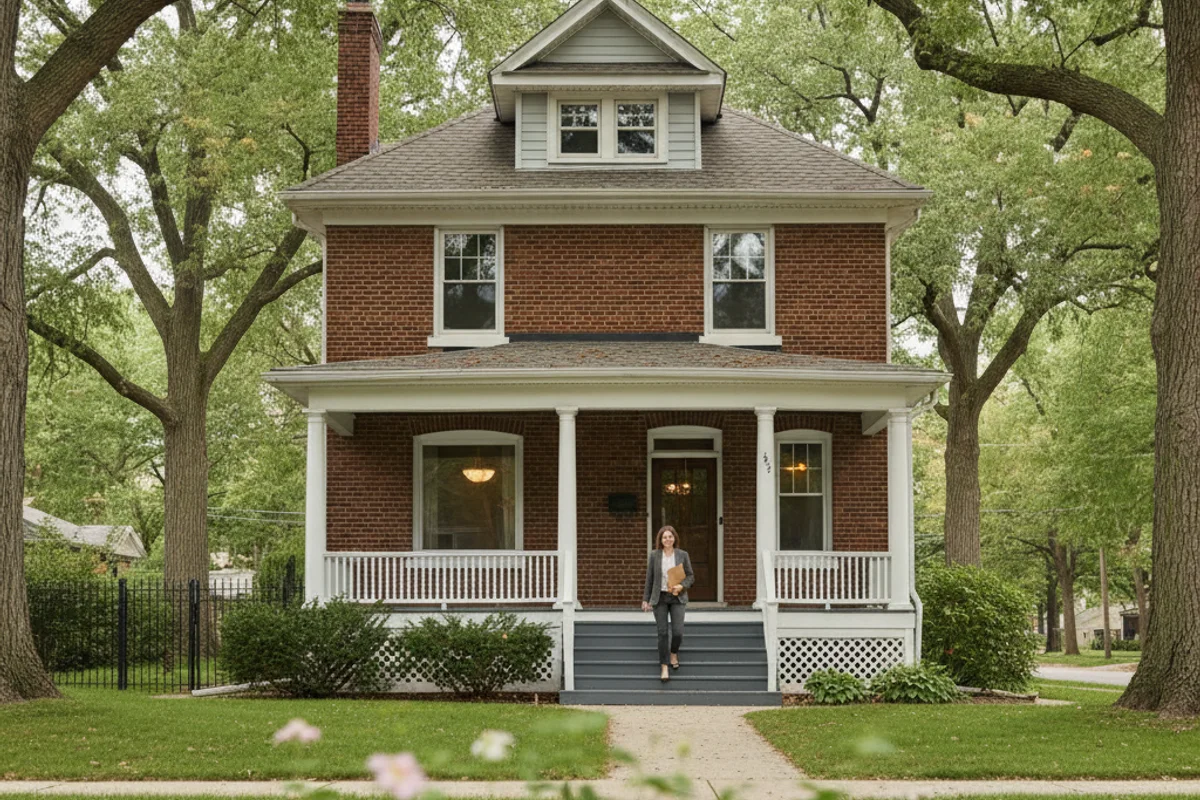
You just inherited a two-flat in Pilsen. It’s got a mortgage attached to it, a leaky roof, and tenants you’d rather not deal with. Your first question is almost certainly: can you sell a house with a mortgage in cash home buyers in Chicago, and can you do it without spending six months and thousands of dollars getting it ready? The short answer is yes. Selling your house in Chicago while still carrying a mortgage is not only possible, it’s actually the norm. Nearly every homeowner who sells still has a loan balance to pay off. Here’s what you need to know to move forward with confidence.
Why Chicago’s Cash Market Is Bigger Than You Might Expect
Nearly 42% of home sales in Chicago involve cash buyers. That’s not a niche market anymore. That’s almost half the city’s transactions happening without a traditional mortgage on the buyer’s side, which tells you a lot about how sellers here are thinking.
The reasons vary widely. Some homeowners are dealing with inherited properties in neighborhoods like South Shore or Bridgeport. Others are navigating a divorce, relocating for work across the country, or trying to avoid foreclosure after a job loss or unexpected medical bills. And some are simply tired of the traditional listing process and want a cleaner, faster exit on their own terms.
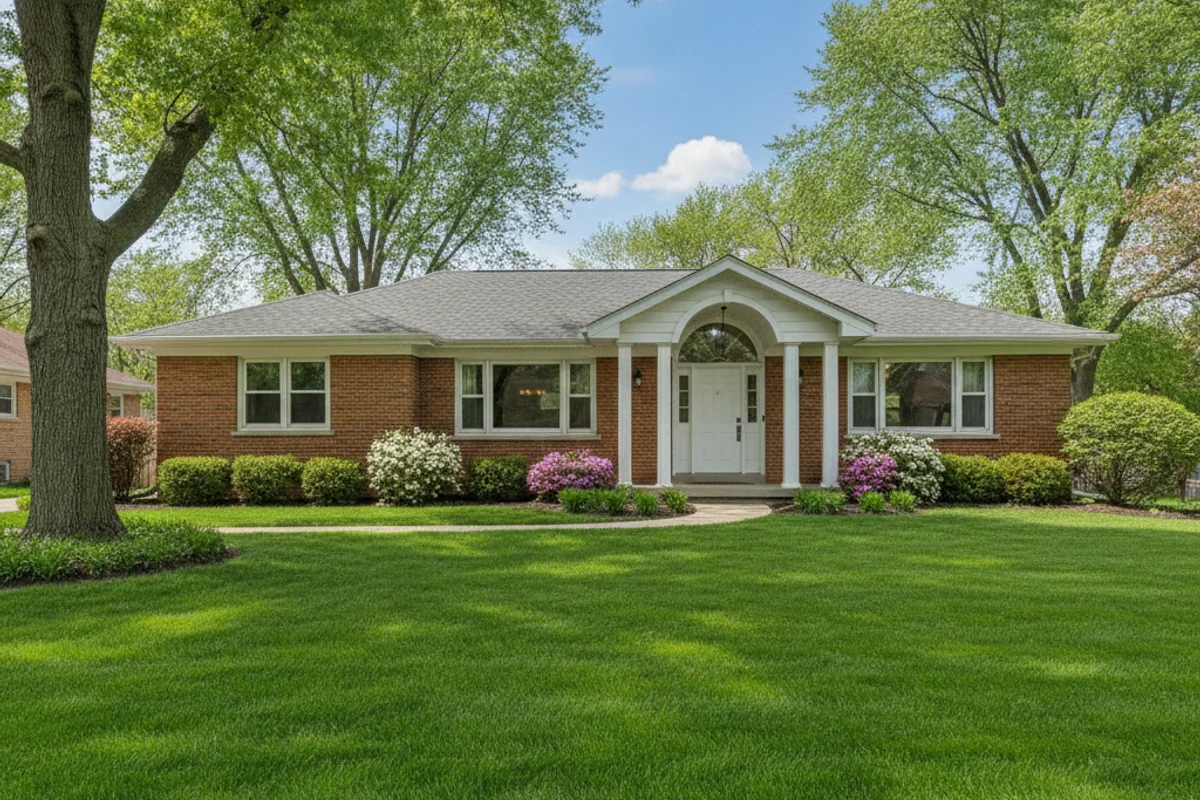
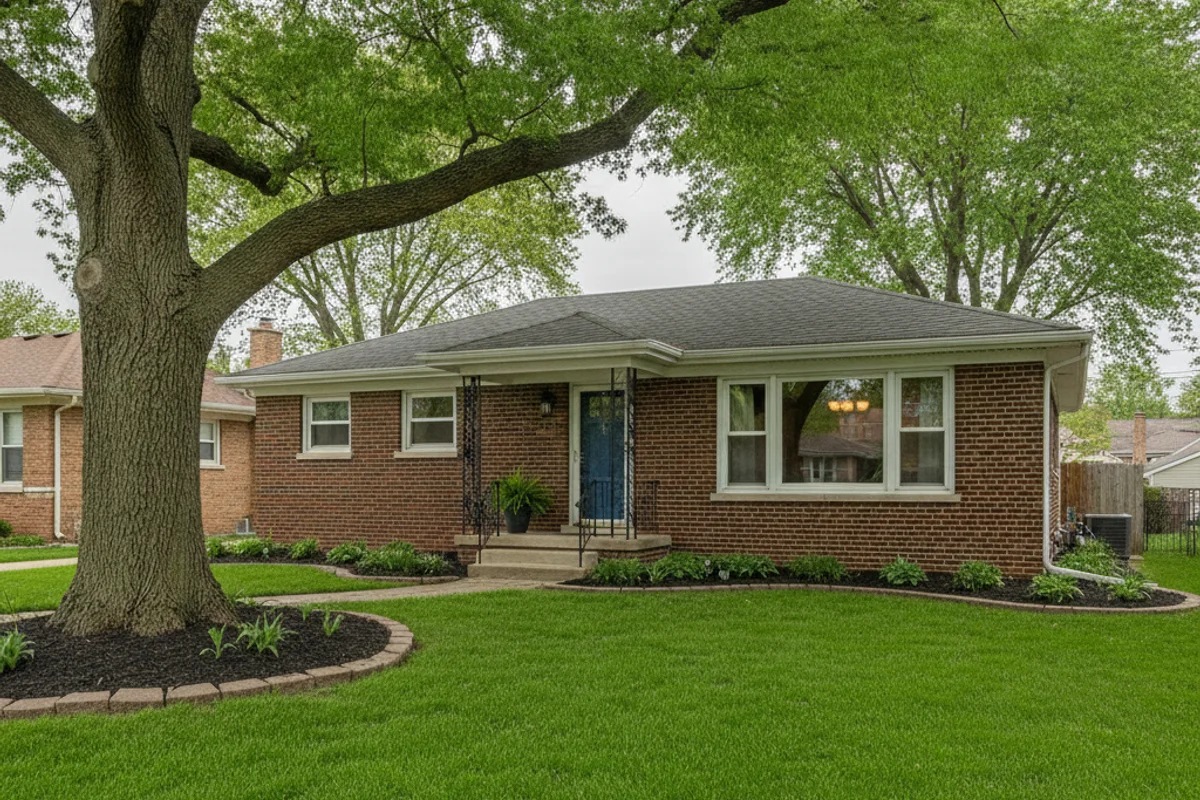
Chicago’s housing stock also plays a role. A significant portion of the city’s homes are older bungalows and two-flats built in the early to mid-1900s. Many of these properties need work that traditional buyers with financing won’t touch, because their lenders won’t approve a loan on a home with certain defects. Cash buyers don’t have that problem. They buy the property as-is and handle the repairs themselves after closing.
If you’re searching for ways to sell a house in Illinois without the usual headaches, you’re in good company. Chicago homeowners have been gravitating toward cash offers precisely because the city’s market, while stable, doesn’t always move on a seller’s schedule.
It’s also worth knowing that facing foreclosure doesn’t have to be the end of the road. Resources from HUD.gov on avoiding foreclosure can help you understand your options before making any decisions, and many homeowners find that a quick cash sale is one of the most effective ways to get ahead of it. We’ve covered this in detail in our guide on how to avoid foreclosure and sell your house fast in Chicago.

Get Your Free Cash Offer Today
No fees. No repairs. Close in as little as 7 days.
Related Video
What Actually Happens to Your Mortgage at Closing
Let’s break this down, because this is where a lot of people get confused. The presence of a mortgage on your home does not prevent a sale. It just means the payoff gets handled at the closing table rather than beforehand.
When you accept an offer and move toward closing, your lender issues what’s called a payoff statement. This document shows exactly how much you owe on your mortgage, including any interest accrued up to the closing date and any applicable prepayment fees. That amount gets paid directly from the sale proceeds at closing. The title company handles the payoff to your lender automatically, wiring the funds on your behalf. You don’t need to coordinate anything complicated on your end.
Here’s a concrete example. If your home sells for $380,000 and you owe $210,000 on your mortgage, you walk away with roughly $170,000 minus closing costs and any other liens. If your home sells for $411,000, which is right around Chicago’s current median, and you owe $250,000, you’re looking at approximately $161,000 in equity before fees. The title company takes care of disbursing those funds correctly so nothing falls through the cracks.
The only scenario where things get complicated is if you owe more than the home is worth. In that case, you’d need to either negotiate a short sale with your lender or bring cash to the table to cover the gap. But for most Chicago homeowners, especially with a median home price sitting around $411,000 and values that have held steady over the past few years, there’s usually meaningful equity to work with.
Illinois also requires sellers to complete a Residential Real Property Disclosure Report before any sale. This applies to cash sales just as much as traditional ones. You’ll need to disclose known material defects honestly, but you don’t need to fix those defects before selling to a cash buyer. Disclosure and repair are two very different obligations.
The 3-Step Process: Selling for Cash in Chicago
Selling your home to a cash buyer is simpler than most people expect. There are no open houses, no waiting for mortgage approvals, and no back-and-forth over inspection repair lists. Here’s what the process actually looks like from start to finish.
Step 1: Request Your Offer
You reach out to Chicago cash home buyers and provide some basic details about your property, such as the address, approximate square footage, number of bedrooms, and the general condition of the home. This typically takes about 10 minutes. A buyer will review your information, look at local comparable sales in your specific neighborhood, and put together an offer based on what the home is realistically worth in its current condition.
Step 2: Review and Accept
You’ll typically receive a no-obligation offer within 24 to 48 hours. There’s no pressure to accept, and a reputable buyer will walk you through how they arrived at the number, including what repairs they’re anticipating and how they factored those into the price. If the offer works for you, you sign the purchase agreement and pick a closing date that fits your schedule. If it doesn’t, you’re free to walk away with zero cost or obligation.
Step 3: Close on Your Timeline
This is where cash sales really shine. Without a buyer’s lender in the picture, there’s no waiting on underwriting, appraisals, or mortgage approval. Closings can happen in as little as 7 to 14 days from the time you accept the offer, or you can push it out further if you need more time to move, sort through belongings, or line up your next place. You set the pace. That kind of flexibility is something the traditional market simply can’t match.
Chicago’s Market Right Now: Stable, But Not Always on Your Side
The Chicago real estate market is holding steady. According to Redfin’s Chicago market data, median home prices are around $411,000, and homes are sitting on the market for about 50 days on average. Inventory is moderate, which means you’re not in a seller’s frenzy, but you’re not swimming in desperate buyers either.
That 50-day figure is worth unpacking. It doesn’t include the time you spend preparing the home before it lists, the days you wait after listing before an offer comes in, or the 30 to 45 days a traditional sale takes to close after a contract is signed. When you add all of that up, a traditional sale in Chicago can easily take three to four months from the moment you decide to sell to the day you actually receive your money.
Chicago’s market also has real seasonal quirks that affect how quickly homes move. The winter months, especially January and February, tend to slow things down significantly. Foot traffic drops, open houses are poorly attended, and buyers put their search on hold until spring. If your property is in a neighborhood like Logan Square or Wicker Park where curb appeal and weekend showings matter, timing your listing around Chicago’s brutal winters can be genuinely frustrating. Cash home buyers in Illinois are active year-round and aren’t deterred by a few feet of snow on the ground or a polar vortex rolling through.
Remote work trends have also shifted where people want to buy within the metro area. A growing number of buyers are looking at suburbs and nearby cities rather than staying close to a downtown office, which means if your home isn’t in one of Chicago’s hottest neighborhoods, it may sit longer than local averages suggest. We also serve homeowners in Naperville, Illinois and Joliet, Illinois who are navigating these exact same market dynamics and looking for a faster path to closing.

Find Out What Your Home Is Worth
Get a no-obligation cash offer in 24 hours.
Cash vs. Listing: The Real Numbers in Chicago
The traditional listing process has real costs that don’t always show up in the headline sale price. It’s worth laying them out clearly so you can make an honest comparison.
Here’s what you’re typically looking at when you list with an agent in Illinois:
- Agent commissions: Usually 5% to 6% of the sale price. On a $411,000 home, that’s up to $24,660 coming directly out of your proceeds.
- Repairs and staging: Buyers with financing expect move-in ready condition. Even minor updates, fresh paint, landscaping cleanup, and professional staging can run $5,000 to $15,000 or more depending on the property’s condition.
- Holding costs: Every month you carry the property while it’s listed, you’re paying the mortgage, property taxes, utilities, and insurance. In Chicago, that can easily add up to $2,500 to $4,000 per month depending on your loan balance and property tax rate.
- Inspection negotiations: After a home inspection, buyers routinely come back asking for repair credits or price reductions. This is another layer of uncertainty that can eat into your net proceeds even after you’ve already accepted an offer.
- Deals falling through: Traditional sales backed by financing can collapse if the buyer’s loan doesn’t get approved at the last minute. Starting over means more months on the market, more holding costs, and more stress.
You can look up current property tax information for your Chicago home through the Cook County Assessor’s Office to understand exactly what you’re paying each month you continue to hold the property.
When you add all of those costs together, the gap between a cash offer and a traditional sale price often narrows considerably. Many sellers find they net a similar amount, sometimes more, by choosing a quick home sale in Illinois simply because they’re not bleeding money over a three to four month process. The math doesn’t always favor the higher list price.
If you’re facing financial pressure or worried about where things are headed, read our article on avoiding foreclosure and selling your house fast in Joliet for another real-world perspective on how Illinois homeowners are handling similar situations.
Common Questions About Cash Home Sales in Chicago
What if my home needs major repairs?
That’s actually one of the main reasons homeowners choose cash buyers. Properties with foundation issues, outdated electrical systems, old knob-and-tube wiring, or roofs that would never pass a standard buyer’s inspection are exactly the kind of homes cash buyers are set up to purchase. You don’t renovate first. You don’t spend weekends getting bids from contractors. You just sell the home in its current condition and let the buyer handle the rest.
Does it matter what neighborhood my home is in?
Not the way it does with traditional buyers. Cash home buyers in Illinois are active across all of Chicago’s neighborhoods, from Austin to Hyde Park to Avondale to South Shore. Condition and equity matter more than zip code. A property that might struggle to attract financed buyers in a transitional neighborhood can still be a strong candidate for a cash offer.
What if I’m behind on mortgage payments?
This is more common than people admit, and a cash sale can be one of the fastest ways to resolve it before things escalate. As long as the sale price covers your payoff amount, selling your house can stop the clock on any default proceedings. The HUD housing counselor locator can also connect you with free, HUD-approved advice if you’re not sure where you stand or want to explore all your options before deciding.
Is the process legitimate?
Reputable cash buyers are straightforward to work with. Look for buyers who don’t charge upfront fees, provide written offers with clear terms, and use licensed title companies to handle the closing. You have the right to review every document before signing anything, and a good buyer will encourage you to do exactly that. If someone is pressuring you to skip the paperwork or sign something you don’t understand, walk away.
Your Next Step
The question of whether you can sell a house with a mortgage in Chicago has a clear answer: yes, and most Chicago homeowners do exactly that every single day. The mortgage doesn’t have to be a barrier. What matters is understanding your equity position, knowing the real costs of each path available to you, and choosing the option that actually fits your situation and timeline.
If you’re ready to see what your home is worth without weeks of waiting, open houses, or repair negotiations, go ahead and get your cash offer today. There’s no obligation, no pressure, and no repairs required. Just a straightforward number you can use to make a confident, informed decision about your next move.
For more details, see our guide on selling your house in Chicago.
Chicago homeowners may also want to read about avoiding foreclosure in Chicago.
NestCash works with Chicago homeowners dealing with divorce, foreclosure, inherited properties, and homes that need to sell as-is every single day.

Ready to Sell? Let's Talk.
Get your cash offer now. No obligation, no hassle.

Lisa is a Senior Contributor at NestCash, writing expert content on real estate, homeownership, and market trends. She covers 12 states, with a focus on making real estate information practical, clear, and useful.