Avoid Foreclosure In Miami: Get Your Offer in 24 Hours
Facing foreclosure in Miami? Learn how to protect your credit, understand Florida's timeline, and sell your home fast for cash before the auction date.

Head of Marketing, NestCash··9 min read
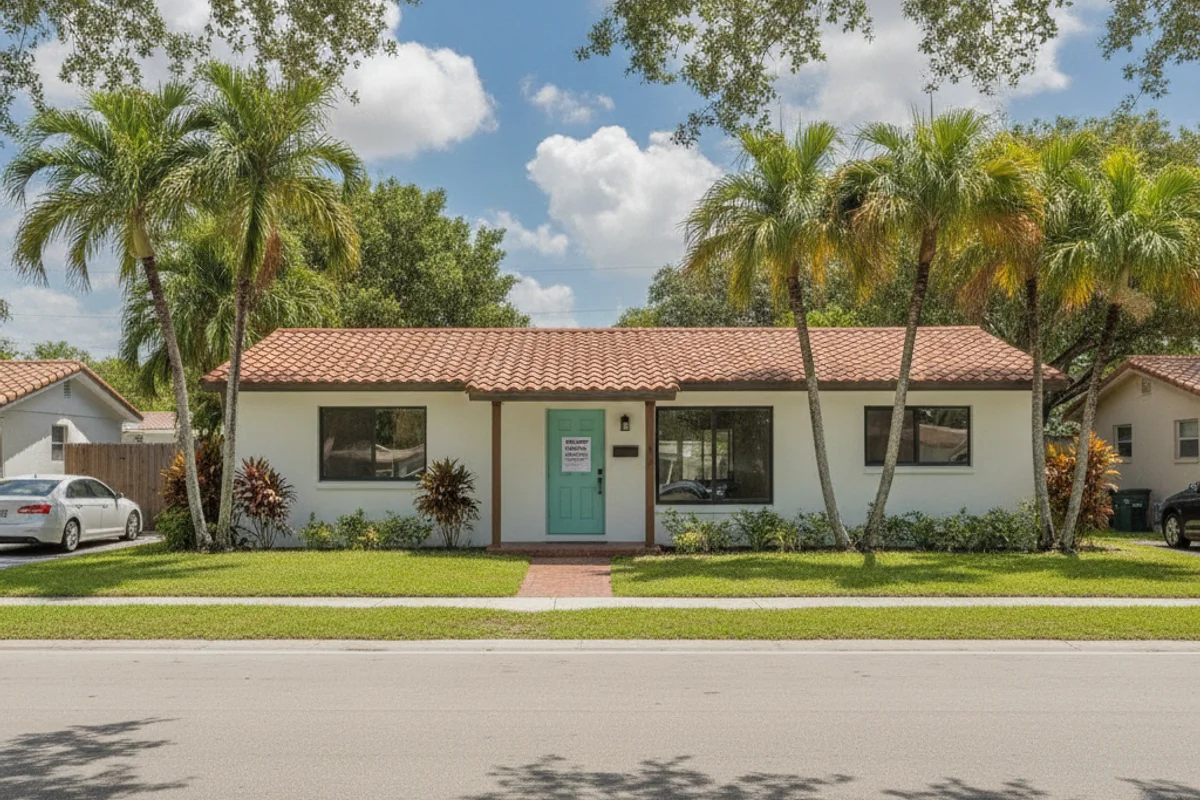
Florida gives lenders roughly 6 to 18 months to complete a foreclosure, but that window shrinks fast once legal filings begin. If you’re already behind on payments and searching for ways to avoid foreclosure in Miami, you may have less time than you think. The good news is that homeowners in Brickell, Little Havana, and Wynwood have real options right now, before the auction date ever arrives. This article walks you through exactly what the process looks like, what your rights are, and how a fast cash sale can protect both your home equity and your credit score.
The Florida Foreclosure Timeline: Day by Day
Florida is a judicial foreclosure state. That means your lender cannot simply repossess your home. They have to sue you in court and get a judge to sign off. That process takes time, and time is something you can use to your advantage.
Here’s the step-by-step breakdown of how it typically unfolds in Miami-Dade County:
- Day 1-30: Missed payment. Your lender marks the payment as late and begins reporting to credit bureaus after 30 days.
- Day 90-120: Notice of default. After three to four missed payments, your lender sends a formal default notice. This is your first serious warning signal.
- Day 120+: Lis pendens filed. The lender files a “lis pendens” with the Miami-Dade County Clerk’s office, which is a public notice that foreclosure litigation has begun. Your property is now flagged in public records.
- Month 4-9: Lawsuit served. You are formally served with a foreclosure complaint. From this point, you typically have 20 days to respond.
- Month 6-12: Summary judgment hearing. If you do not respond or the court rules in the lender’s favor, a judgment is entered and an auction date is set.
- Month 8-18: Foreclosure auction. The property is sold at a public auction, often listed through the Miami-Dade Clerk of Courts online auction system.
- Post-auction: Eviction. Once the sale is confirmed by a judge, the new owner can begin eviction proceedings.
One critical point that many Miami homeowners do not know: Florida does not have a post-sale statutory right of redemption for most residential mortgages. Once that auction gavel falls and the sale is confirmed, the home is gone. Acting before step six is not optional. It is everything.
For a complete guide, read our resource on foreclosure alternatives in Miami.
Get Your Free Cash Offer Today
No fees. No repairs. Close in as little as 7 days.
Related Video
Your Rights as a Miami Homeowner Facing Foreclosure
You have more rights than you probably realize right now. The stress of the situation can make it feel like the lender holds all the cards, but that is not true.
Under Florida law, you have the right to be formally served with a lawsuit before any foreclosure can proceed. You also have the right to respond to that lawsuit, raise defenses, and request a loan modification directly with your servicer. Federal law under the CFPB’s housing insecurity guidelines also requires that most mortgage servicers make reasonable efforts to contact you before filing.
You have the right to sell your home at any point before the auction is finalized. A short sale or a cash sale can stop the process entirely, as long as it closes before the court confirms the auction. Consulting a licensed Florida real estate attorney is the single best step you can take to understand exactly where you stand in this timeline. This article is educational and is not legal advice.
Florida also requires standard seller property disclosures even in distressed sales. A cash buyer experienced with the Florida market will handle these disclosures as part of a smooth, straightforward transaction.
How Selling for Cash Stops the Florida Foreclosure Process
Here’s the thing about a traditional home sale in Miami: it’s not built for speed. With a median home price of $675,000 and an average of 107 days on market, listing with a real estate agent is a process that takes months. Add the 30 to 45 days for a traditional closing after you find a buyer, and you’re looking at a timeline that can easily collide with your auction date.
A cash sale works differently. Miami cash home buyers skip the bank financing entirely. There’s no appraisal contingency, no mortgage underwriting, and no waiting on a lender’s approval. A legitimate cash buyer can close in 7 to 14 days, which means you can stop a foreclosure that’s already deep in the pipeline.
The process looks like this: you reach out and get your cash offer. You receive a no-obligation offer, typically within 24 hours. If you accept, a title company handles the payoff of your existing mortgage from the sale proceeds. The foreclosure case becomes moot because the property no longer belongs to you and the debt is satisfied.
Selling your home for cash in this situation is not giving up. It is choosing a controlled exit over a forced one. Homeowners in neighborhoods like Coral Way and Coconut Grove have used this exact approach to walk away with remaining equity intact, their credit score protected, and their next chapter already in motion.
Find Out What Your Home Is Worth
Get a no-obligation cash offer in 24 hours.
What Foreclosure Does to Your Credit Score
Let’s talk numbers, because this part matters a lot for what your financial life looks like after all of this.
A completed foreclosure typically causes a credit score drop of 100 to 150 points. If your score is currently around 700, a foreclosure could push you into the 550 to 600 range. That affects your ability to rent an apartment, finance a car, and qualify for a mortgage again. FICO research shows that foreclosure stays on your credit report for seven years from the date of the first missed payment.
Selling your home before the foreclosure finalizes limits the damage. The missed payments that have already been reported will remain on your record, but the foreclosure entry itself never appears. That’s a significant difference. According to Bankrate’s credit guidance, recovering from late payments takes far less time than recovering from a completed foreclosure judgment.
For Miami homeowners who want to buy again someday, this distinction is enormous. Most loan programs require a waiting period of 3 to 7 years after a foreclosure before you can qualify again. A pre-foreclosure sale through a cash buyer dramatically shortens that recovery window.
Miami Foreclosure Alternatives You May Not Know About
A cash sale is one of your strongest tools, but it is worth knowing the full menu of options before you decide.
HUD-Approved Housing Counseling This is free and it is powerful. HUD-approved housing counselors are trained specifically to help homeowners in financial distress explore every available option. They can help you negotiate directly with your lender, apply for assistance programs, and understand what a loan modification might look like. There is no cost for this service.
Loan Modification If you want to stay in your home and your hardship is temporary, a loan modification might lower your monthly payment by adjusting the interest rate, extending the loan term, or deferring part of the principal. Your servicer is required to review you for loss mitigation options before proceeding with foreclosure under federal guidelines.
Short Sale A short sale means selling your home for less than you owe on the mortgage, with the lender agreeing to accept the lower payoff. This takes longer than a cash sale to arrange because it requires lender approval, but it can be a viable path if your home’s value has dropped below your loan balance.
Deed in Lieu of Foreclosure This means voluntarily signing the deed over to the lender in exchange for canceling the debt. It avoids the public foreclosure process but still carries significant credit consequences and requires lender cooperation.
For homeowners with equity in their property (and in Miami, with a median price of $675,000, many people do have equity even if they’re behind), a cash sale is often the most financially sound option. You protect your credit, capture any remaining equity, and close on your own timeline rather than the court’s.
Homeowners in nearby Fort Lauderdale and Tampa have navigated this same crossroads. If you want to see how the process works in neighboring markets, check out our guides on avoiding foreclosure in Fort Lauderdale and avoiding foreclosure in Tampa.
How to Sell Your Miami Home Before the Auction Date
Time is the one thing you cannot get back in a foreclosure situation. Here’s how to move fast and move smart.
Step 1: Know your exact auction date. Check the Miami-Dade Clerk of Courts website for any scheduled sale date attached to your property. You can also find lis pendens filings through the Miami-Dade property records portal. Knowing this date gives you a hard deadline to work backward from.
Step 2: Contact a cash buyer immediately. When you sell a house in Florida through a cash buyer, the offer process starts within 24 hours. You do not need to clean the house, fix anything, or hire an agent. Cash buyers purchase Miami homes as-is, which means the condition of the property does not slow you down.
Step 3: Review the offer with a Florida real estate attorney. A cash offer is straightforward, but given what’s at stake, having an attorney review the contract before you sign is a smart 48-hour investment. Make sure the closing timeline is documented and aligns with your auction date.
Step 4: Coordinate with your lender’s loss mitigation department. Let your servicer know you have a pending sale. This can sometimes pause collection activity while the transaction closes. Your attorney or HUD counselor can help you manage this communication.
Step 5: Close and move forward. At closing, the title company pays off your mortgage from the proceeds. If there’s equity remaining after the payoff and closing costs, you receive that balance. The foreclosure case is dismissed because the debt no longer exists.
Miami’s real estate market remains stable with moderate inventory, which means cash buyers are actively purchasing homes throughout the metro area right now. Whether your property is in Overtown, Doral, or South Miami, there is a buyer ready to close quickly.
We also work with homeowners across South Florida. If you’re outside of Miami proper, our Orlando cash home buyers and Cape Coral team serve those communities with the same fast, no-pressure process.
Avoid foreclosure in Miami by making a decision this week, not next month. Every day that passes is a day closer to an auction date that takes the choice out of your hands entirely. You still have time to control the outcome. Use it.
We also help homeowners in Miami dealing with divorce, selling as-is, and inherited property situations.
Ready to Sell? Let's Talk.
Get your cash offer now. No obligation, no hassle.

Jackson is the Head of Marketing at NestCash, where he leads growth strategy and real estate education. He focuses on housing trends across 12 states, translating complex market shifts into clear, actionable guidance.