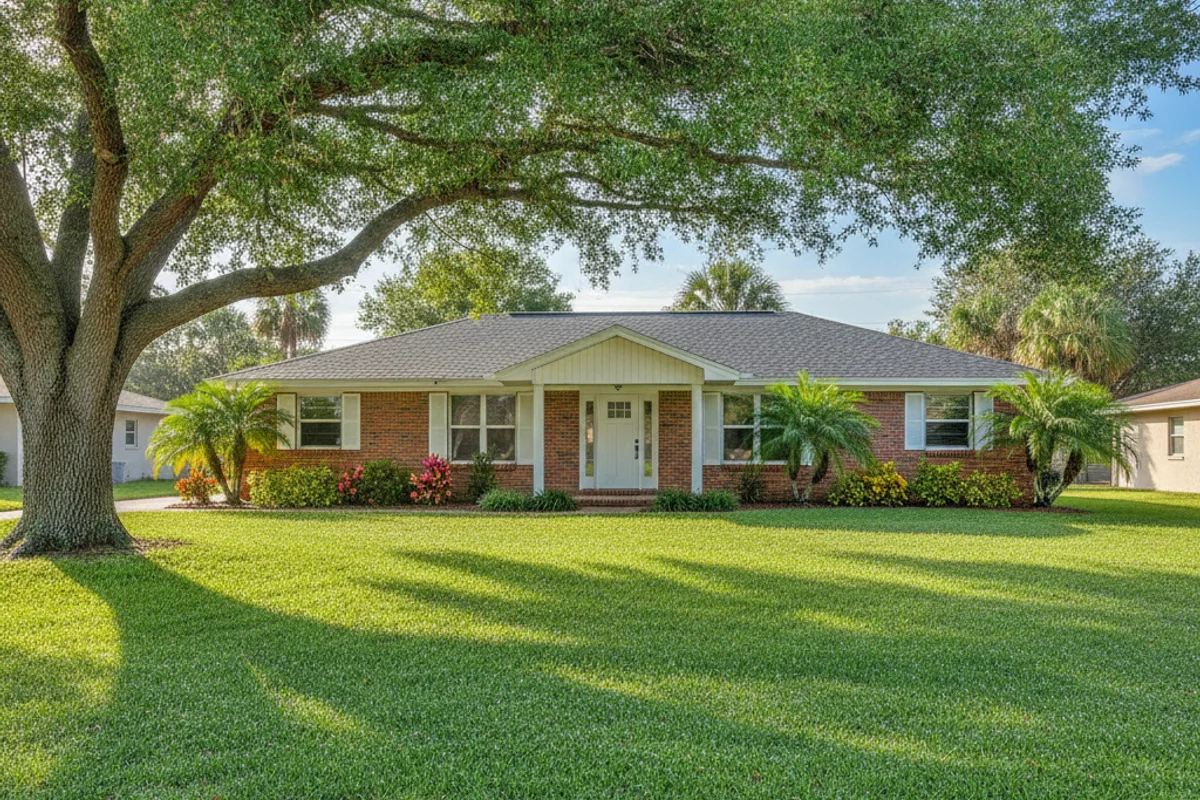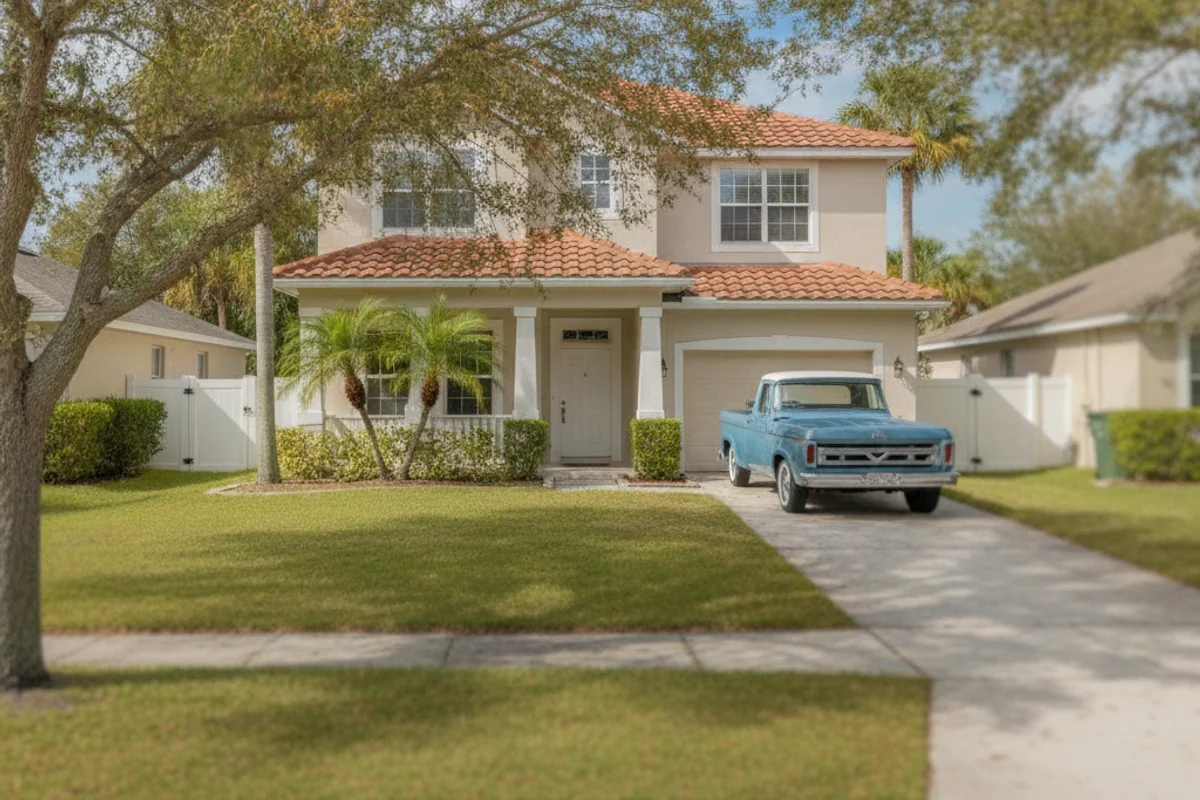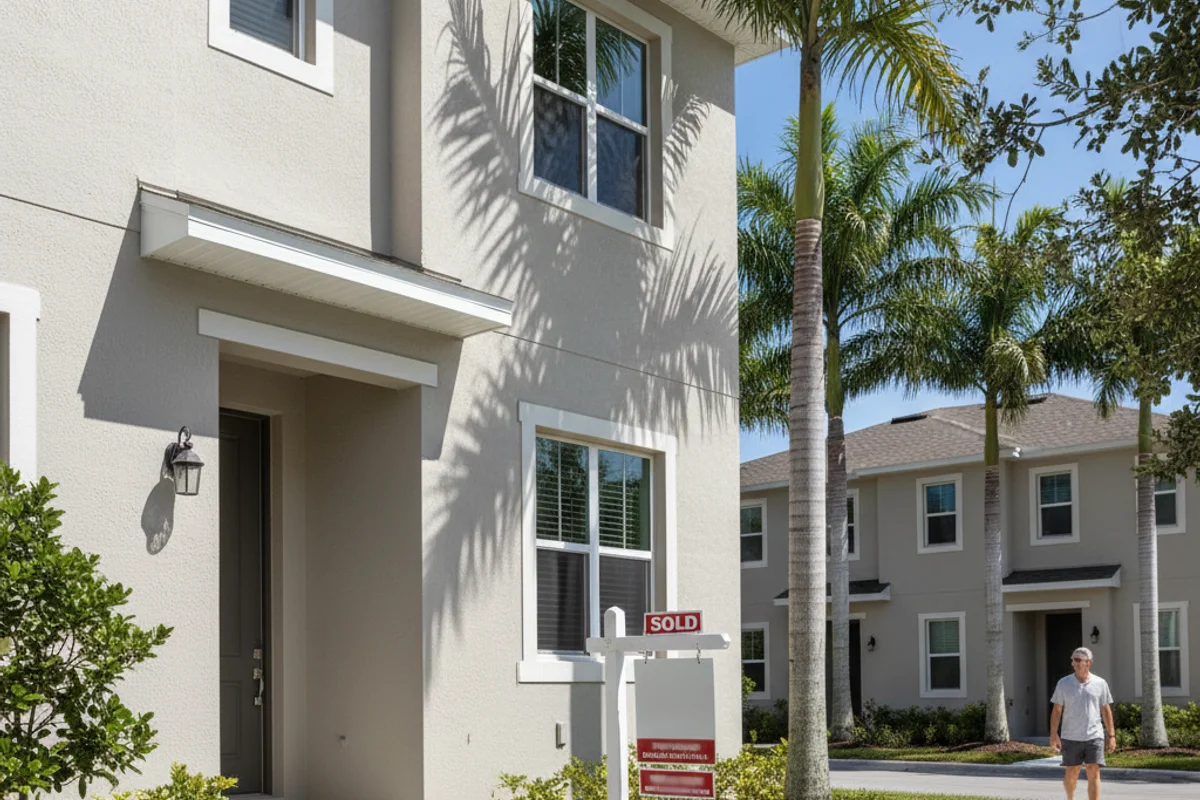
Selling A House With Tenants In Cape Coral: No Repairs Required
Selling a house with tenants in Cape Coral? Learn Florida tenant rights, the real cost of landlording, and how cash buyers close fast without repairs or hassle.

Head of Sales, NestCash··12 min read
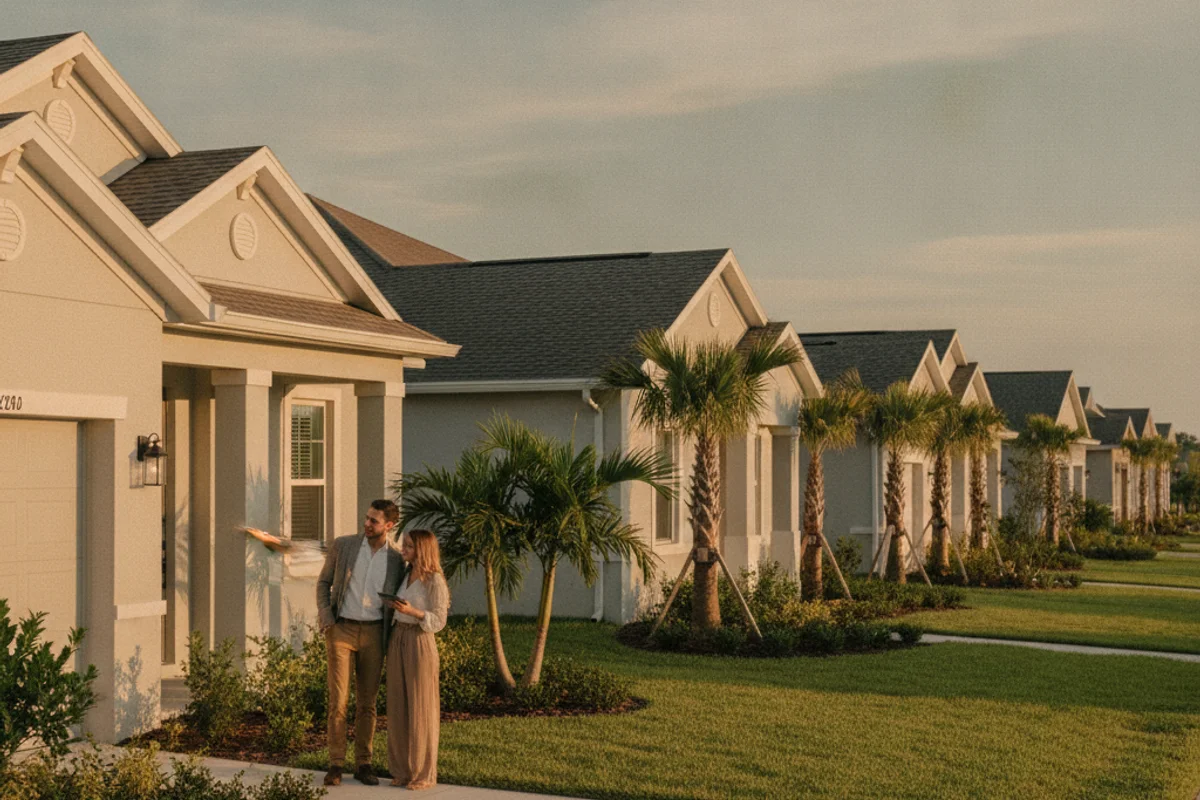
You bought the rental property, the rent checks came in, and for a while, the math worked. Now it doesn’t. Selling a house with tenants in Cape Coral is more common than you’d think in 2026, and more complicated than most landlords expect going in. Understanding your options before you list, or before you call a cash buyer, can be the difference between a clean exit and a drawn-out mess that costs you months of carrying costs and a whole lot of stress.
Here’s what Cape Coral landlords actually need to know right now.
Why Cape Coral Landlords Are Offloading Rental Properties Right Now
Cape Coral has long attracted real estate investors. The canal-lined neighborhoods of Burnt Store Isles, the newer builds near Sandoval, and the more affordable inventory scattered through the northeast quadrant all made the city look like a natural buy-and-hold market. Florida’s lack of state income tax and steady migration numbers made that strategy feel nearly bulletproof for years.
But 2026 looks different for a lot of owners, and the shift happened faster than most expected.
Property insurance costs in Lee County have surged dramatically since Hurricane Ian tore through the region in September 2022. Many landlords are now paying two to three times what they paid in 2021 for the exact same coverage on the exact same property. Some policies that once ran $1,800 per year are now quoting at $5,500 or higher, and that’s before flood coverage is factored in. HOA fees in gated communities like Sandoval have climbed alongside those increases.
With the median home price in Cape Coral sitting around $352,000, many properties that were cash-flow positive when purchased at $180,000 are now borderline breakeven, particularly if they were refinanced or acquired during the 2021 to 2022 price run-up at low cap rates. The math that looked solid at closing just doesn’t hold up anymore when you stack insurance, taxes, management fees, and vacancy against current rent levels.
Add a difficult tenant situation, a growing deferred maintenance backlog, or a lease that locks in below-market rent through 2026 or beyond, and the case for holding starts to collapse quickly.
According to NAR research on rental markets, landlord exit rates have increased nationally as operating costs climb and net yields compress. Cape Coral is not immune to that trend. In fact, given the insurance environment specific to Southwest Florida, many owners here are feeling the squeeze harder than landlords in other parts of the state.
Sell your Cape Coral home as-is.
Skip the repairs and showings. Start with your property address.
Prefer to talk? (602) 726-2697









Can You Sell a Cape Coral Rental Property with Tenants Still Living There?
Yes. You can sell a tenant-occupied property in Cape Coral at any time, regardless of whether a lease is currently active.
This surprises a lot of landlords who assume they must wait for the lease to expire before putting the property on the market. You don’t. Florida law does not require tenants to vacate before a sale closes. What it does require is that their lease terms transfer intact to the new owner, who steps into your shoes as landlord from the moment the deed records.
Here’s how that plays out practically:
- If your tenant has a fixed-term lease running through March 2027, the buyer inherits that lease and must honor its rent amount and all original terms until expiration.
- If the tenant is on a month-to-month arrangement, the new owner can terminate tenancy with proper written notice after the sale closes, typically 15 days for a month-to-month lease under Florida Statute 83.57.
- Security deposits must be transferred to the new owner at closing. You are also responsible for notifying the tenant in writing of the transfer, including the new owner’s name and contact information, under Florida Statute 83.49.
The tenant does not have to consent to the sale. Florida law does not grant tenants a right of first refusal, unlike some states. The property is yours to sell on your timeline.
What you do need to plan around is showing access. Florida Statute 83.53 requires landlords to give at least 12 hours advance notice before entering a rental unit for showings, inspections, or any other purpose. A tenant who is unhappy about the sale can make the showing process slow, uncomfortable, and inconsistent. That’s a very real practical issue when you’re trying to market a property on the MLS to buyers who want to walk through on a Saturday afternoon.
Florida Tenant Rights When a Landlord Sells the Property
Florida’s landlord-tenant law under Chapter 83 of the Florida Statutes is relatively landlord-friendly compared to states like California or New York. But tenants in Cape Coral do have meaningful protections you are legally required to respect throughout the sale process.
What tenants are entitled to during a sale:
- Continued occupancy through the end of any fixed-term lease, even under a new owner
- At least 12 hours advance notice before entry for any showings or inspections (Florida Statute 83.53)
- Proper handling and formal written transfer of their security deposit at closing (Florida Statute 83.49)
- Written notification of the new owner’s name and contact information after the deed transfers
Section 8 and Housing Choice Voucher Tenants
If your tenant is on a Housing Choice Voucher, commonly called Section 8, the situation adds another layer of complexity. The voucher is tied to the tenant, not the property itself. When the property sells, the incoming owner must be willing to participate in the HCV program and meet HUD’s Housing Quality Standards on an ongoing basis. If the new owner is an owner-occupant or an investor who doesn’t want to work within the voucher program requirements, the tenant may need to find alternative housing, which is a process governed by the local housing authority, not the seller.
For more detail on how HUD’s program works from a housing provider perspective, visit HUD’s Housing Choice Voucher program page.
Cash buyers who specialize in investment properties are generally experienced with Section 8 transitions. Traditional retail buyers, particularly owner-occupants, often are not, and many walk away from deals the moment they learn a voucher tenant is involved.
What about breaking the lease to clear the property before closing?
You cannot simply terminate a fixed-term lease because you want to sell. Florida law does not recognize “I intend to sell the property” as grounds for early lease termination. If you want the unit vacant before the sale closes, your only practical option is negotiating a cash-for-keys agreement, which is a voluntary buyout where you offer the tenant a lump sum to vacate by an agreed date. The tenant has no legal obligation to accept, and pushing them creates risk of a hostile occupant during the sale process.
Sell your Cape Coral home as-is.
Skip the repairs and showings. Start with your property address.
Prefer to talk? (602) 726-2697
The True Cost of Being a Landlord in Cape Coral
Let’s run the honest numbers. This is where a lot of landlords have their lightbulb moment, and it’s worth slowing down on.
A property worth $352,000 in Cape Coral, rented at $2,000 per month, sounds like a solid income stream on the surface. Gross annual rent is $24,000. But pull back the curtain on what it actually costs to hold that asset for 12 months.
Estimated annual holding costs for a typical Cape Coral rental:
- Property insurance (post-Ian Lee County rates): $4,800 to $8,000
- Property taxes (varies by homestead exemption status): $4,200 to $5,500
- Property management fees (if using a PM company at 10 to 15% of rent): $2,400 to $3,600
- Maintenance and repair reserves (standard 1 to 2% of value per year): $3,500 to $7,040
- Vacancy loss (one month average annually, a conservative estimate): $2,000
- Total estimated annual costs: $16,900 to $26,140
Gross annual rent at $2,000 per month: $24,000.
At the high end of those cost estimates, you’re netting a loss before a single mortgage payment is counted. Even at the low end, your net operating income barely clears $7,000 on a $352,000 asset. That’s roughly a 2% cap rate, which does not justify the headache, the liability exposure, or the sleepless nights when the water heater fails and the tenant stops answering calls.
According to IRS guidance on rental property income and deductions, many landlords also underestimate their total tax burden on rental income, particularly when depreciation recapture applies at the time of sale. If you’ve owned the property for several years and claimed depreciation, the IRS will want a portion of that back when you sell, often taxed at 25%.
Before you close, talk to your CPA about whether a 1031 exchange makes sense. A 1031 lets you defer capital gains taxes by rolling the net proceeds into another qualifying investment property within 180 days of your closing date. For landlords who want to stay in real estate but exit this specific property, it’s a legitimate tool worth evaluating. For landlords who are simply done with being a landlord, the clean exit is often the better call regardless of the tax hit.
Cash Buyers vs. Traditional Sale: The Real Numbers for Cape Coral Landlords
Traditional MLS sale with tenants in place:
- Requires regular showings with mandatory 12-hour advance notice to the tenant
- Many retail buyers, especially owner-occupants, pass on tenant-occupied listings entirely
- Buyer may demand that you negotiate the tenant out before closing, adding weeks or months
- Subject to a full home inspection and buyer financing contingency, both of which can kill the deal late
- Florida law requires standard seller disclosures on all known material defects, even in as-is sales (see NOLO’s Florida disclosure overview)
- Total seller-side costs typically run 6 to 10% of sale price in commissions and closing fees, which on a $352,000 home means $21,120 to $35,200 out of your proceeds
Cash sale to an investment buyer:
- No showings required in most cases. The buyer underwrites based on lease documents and a walkthrough.
- Buyer purchases with tenant in place, inherited lease and all, with no requirement to vacate.
- No financing contingency means no deal collapses the week before closing.
- Most cash transactions close in 10 to 21 days from offer acceptance.
- No repairs required. The buyer accepts the property in its current condition.
- Seller typically pays minimal or zero closing costs depending on the offer structure.
Cape Coral cash home buyers who specialize in investment properties understand the specific dynamics of Lee County’s rental market. They know the insurance environment, they’ve seen the lease transfer process dozens of times, and they’re not going to get nervous over a long-term tenant or a Section 8 situation. If you want to sell a house in Florida-wide because you hold rentals in multiple markets, there are buyers who operate across the entire state and can close on multiple properties at once.
How to Sell Your Cape Coral Investment Property Fast: A Practical Playbook
If you’ve decided the math isn’t working and you’re ready to move, here’s the step-by-step process that gets you to a clean close without unnecessary delays or surprises.
Step 1: Know your lease situation inside and out
Pull your current lease and document the expiration date, monthly rent amount, security deposit on file, and any lease-specific clauses around early termination or renewal. This is the packet you’ll hand to any serious buyer. If you’re month-to-month, your buyer has far more flexibility on timing. If you’re locked in through 2026 or 2027 at below-market rent, factor that into your pricing expectations from the start.
Step 2: Gather your property financials
Cash buyers and serious investors want to see rent rolls, clarity on who pays which utilities, the last 12 months of expenses if available, and a list of any deferred maintenance or known issues. Being upfront with this information at the start speeds up the process significantly and protects you from price renegotiation after the buyer’s walkthrough turns up something you didn’t mention.
Step 3: Understand your disclosure obligations before you go to contract
Florida requires sellers to disclose all known material defects that are not readily observable by a buyer during a normal inspection. This applies to rental properties and cash sales alike. It is not optional. Known issues with the roof, HVAC system, plumbing, water intrusion, or any structural component must be disclosed in writing. Review the specific requirements at the Florida DBPR’s real estate page or consult a licensed real estate attorney if you have questions about what needs to be included.
Step 4: Notify your tenant at the right time
You are not legally required to tell your tenant you’re selling before you have a signed contract. But experienced landlords know that giving a reasonable heads-up, explaining that their lease will transfer and their rights will be protected, tends to result in far less friction during the transaction. Once the sale closes, written notice of the new owner’s name and contact information is required by law.
Step 5: Request a cash offer and run the real comparison
This is the step most landlords in this position underestimate. You don’t have to list on the MLS, coordinate 20 showings, wait 69 days for a contract, and then pray the buyer’s loan clears underwriting. Get your cash offer and put it side by side with your realistic net on a traditional sale after commissions, repair requests, and four to five months of carrying costs. The gap between those two numbers is usually much smaller than landlords expect, and the certainty is not even in the same category.
We work with rental property owners across Cape Coral and throughout Southwest Florida. We also serve landlords in Fort Lauderdale, Florida and other major Florida markets, so if you hold properties in multiple cities, we can help across your portfolio. If financial pressure is part of the picture on top of the tenant situation, our guides on avoiding foreclosure in Tampa and selling fast in Orlando cover the broader set of options available to Florida property owners under pressure.
Selling a house with tenants in Cape Coral doesn’t have to drag on for months or leave you managing conflict every step of the way. With the right buyer and a clear understanding of Florida’s rules, you can close cleanly, exit on your timeline, and stop subsidizing a rental that stopped making financial sense a long time ago.
NestCash works with Cape Coral homeowners dealing with divorce, foreclosure, inherited properties, and homes that need to sell as-is every single day.
Sell your Cape Coral home as-is.
Skip the repairs and showings. Start with your property address.
Prefer to talk? (602) 726-2697

Jessica is the Head of Sales at NestCash and a real estate professional known for her market expertise and customer-first approach. Working across 12 states, she helps shape strategies that support buyers, sellers, and investors with confidence.