Sell a House With Code Violations in Cape Coral: Trusted Buyers, Fast Close
Need to sell a house with code violations in Cape Coral? Skip costly repairs, avoid mounting fines, and close in as little as 7 days. Get your fair cash offer today.

Founder, NestCash··11 min read
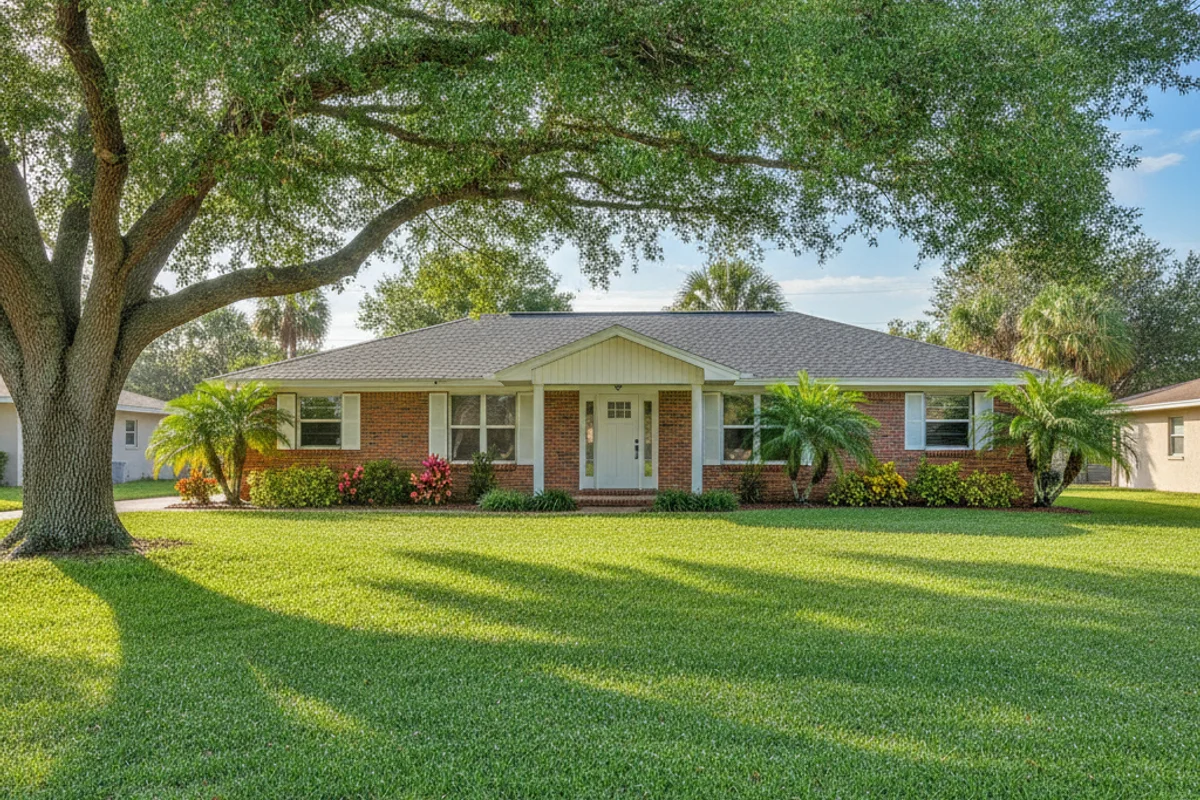
Your house has an open code violation. Maybe a neighbor filed a complaint, or you got a letter from the city, or you discovered the previous owner added a room without pulling a permit. Whatever brought you here, knowing you need to sell your house with code violations in Cape Coral is stressful enough without also trying to navigate the traditional real estate process. The good news is you have a practical path forward that doesn’t involve spending thousands of dollars on repairs or waiting months for a buyer who won’t run the moment they see the inspection report.
Let’s break down exactly what your options look like and why so many Cape Coral homeowners in your situation choose the cash route.
Why Cape Coral’s Code Violation Problem Is More Common Than You Think
Cape Coral is one of the largest cities in Florida by land area, with over 400 miles of navigable waterways. That geography creates a specific set of code issues you don’t see in most other Florida markets. Seawall deterioration, unpermitted dock modifications, boat lifts installed without permits, and pool enclosures that don’t meet updated wind resistance standards are all extremely common here.
Beyond the waterfront issues, the city has been aggressive about code enforcement in neighborhoods like Cape Coral Parkway East, Pelican, and Caloosahatchee. Homeowners who’ve owned their properties for decades sometimes discover that a patio extension or garage conversion done in the 1990s was never permitted. The work may look fine, but the permit was never pulled, the final inspection never happened, and now that violation is sitting on record as your problem to resolve.
The city of Cape Coral enforces Florida Building Code requirements, and violations can accumulate daily fines once the city issues a formal notice of non-compliance. Those fines can grow into liens that attach directly to your property title. If you’re trying to sell through a traditional listing, most buyers’ lenders will require that lien to be fully resolved before they’ll approve financing. That resolution takes time and money you may not have.
Cash buyers don’t wait on lender approval. That single fact changes everything about how the process works for you.
Get Your Free Cash Offer Today
No fees. No repairs. Close in as little as 7 days.
Related Video
5 Reasons Cape Coral Homeowners Skip the Agent Route When Violations Are Involved
Listing a house with open code violations through a traditional agent isn’t impossible, but it’s genuinely difficult. Here’s why most sellers in your situation find the conventional process more trouble than it’s worth.
1. Retail buyers need financing, and lenders hate violations. When a buyer needs a mortgage, their lender orders an appraisal. Appraisers flag code violations. Lenders then require those violations to be remediated before they’ll fund the loan. Your deal stalls, or it dies entirely, often weeks into the process after you’ve already invested time preparing for closing.
2. Standard disclosure requirements put you in a tough spot. Florida requires sellers to disclose known material defects. According to Nolo’s guide to Florida seller disclosure requirements, this includes open code violations, building permits that were never closed out, and known structural issues. Once you disclose, a significant portion of retail buyers walk away rather than take on the complexity.
3. The timeline hurts you financially. Traditional sales in Cape Coral currently average 69 days on market. Add another 30 to 45 days for the closing process, and you could realistically be looking at four months or more of continued fines and holding costs. If the city is assessing daily fines on your violation, every week you wait is money coming directly out of your eventual sale proceeds.
4. Repair estimates in Cape Coral run high. Labor and materials costs in Southwest Florida have climbed substantially since 2020. A permitted roof replacement in Cape Coral typically runs $18,000 to $35,000. An electrical panel upgrade can cost $4,000 to $8,000. Seawall repairs often start at $20,000 and climb from there depending on length and condition. Spending that kind of money before a sale, with no guarantee the buyer won’t ask for additional concessions once they’re under contract, is a significant financial gamble.
5. The negotiation gets complicated fast. Even if you find a motivated retail buyer willing to work through the violations, they’ll use every issue as leverage throughout the process. You’ll face repair requests, price reductions, and the constant risk of the deal collapsing after you’ve already invested weeks and thousands of dollars trying to get to closing.
What Cape Coral’s Market Actually Looks Like for Sellers Right Now
Cape Coral’s market is stable heading into 2026, which is genuinely a positive sign for sellers, but it’s not the aggressive seller’s market the area experienced in 2021 and 2022. The median home price sits around $352,000, inventory is at a moderate level, and the average property spends about 69 days on market before going under contract, according to current data tracked on Redfin.
Here’s what’s particularly relevant to your situation: roughly 34% of home sales in the Cape Coral area are cash transactions. That’s a substantial share of the market. It reflects the high concentration of retirees, seasonal residents, and real estate investors who are active buyers in Southwest Florida. A large portion of these buyers are relocating from the Midwest and Northeast, purchasing properties with cash to sidestep mortgage complexity in a second-home or investment purchase.
That means the infrastructure for cash home buyers in Florida is genuinely well-developed in this market. You’re not pursuing a niche transaction when you seek a cash offer here. More than one in three properties in Cape Coral already sells this way. The title companies, closing attorneys, and buyers are all experienced with the process.
Seasonal patterns matter too. The fall and winter months tend to bring higher buyer activity as snowbirds arrive from colder states. But if you need to sell your house fast in Cape Coral and violations are accumulating fines, waiting for peak season to improve your odds on the traditional market isn’t a real strategy. The financial damage can outpace any seasonal price bump.
The 3-Step Process: Selling Your Home for Cash in Cape Coral
People often assume cash sales are complicated or that there’s a catch buried somewhere in the fine print. The actual process is simpler than most homeowners expect, and the timeline is dramatically shorter than a traditional listing.
Step 1: Request Your Offer
You contact a cash home buyer and share basic details about the property, including its current condition and any known violations or liens. There’s no obligation at this stage and no cost to you. You can get your cash offer within 24 hours in most cases. The buyer may do a brief walkthrough of the property, but there’s no formal inspection contingency and no lender-required appraisal to schedule.
Step 2: Review and Accept
The buyer presents a written cash offer based on the property’s current condition and the local market. Because cash buyers purchase as-is, they’ve already factored in the cost of bringing the property up to code when they calculate that number. You review the offer, ask questions, negotiate if you want to, and decide whether it works for you. There’s no pressure and no deadline pushing you to sign before you’re ready.
Step 3: Close on Your Timeline
If you accept, closing can happen in as little as 7 days, though most sellers choose a date that works best for their situation, whether that’s one week or one month out. You don’t need to make any repairs, clean the property, or stage it for showings. On closing day, you sign the documents and receive your funds. The buyer handles everything else, including working with the city to resolve the code violations after the transfer.
If you’re also dealing with a situation where foreclosure is a concern because of mounting liens or missed mortgage payments, the timeline advantage here becomes even more critical. Homeowners across Florida in similar situations have used cash sales to stop that clock. You can read about how that process works in detail in this guide on avoiding foreclosure and selling fast in Orlando.
Find Out What Your Home Is Worth
Get a no-obligation cash offer in 24 hours.
Cash vs. Listing: What You Actually Net After All the Numbers
Let’s put real numbers on this, because the comparison often surprises people.
Assume your Cape Coral home has a market value of approximately $352,000 in good condition, but you have $25,000 in code violation remediation work needed and an open city lien from accumulated daily fines totaling $8,000.
Traditional listing scenario:
- Pay $25,000 to fix violations before listing, or accept substantial price reductions from buyers who will demand them
- Resolve the $8,000 lien before closing
- Agent commissions at 5 to 6 percent: roughly $17,600 to $21,120
- Seller closing costs: another 1 to 2 percent of the sale price
- Three to four months of continued mortgage payments, insurance, HOA fees, and utilities during the listing and closing period
- Net proceeds after all deductions: potentially $275,000 to $290,000 if everything goes smoothly, which it often doesn’t when violations are involved
Cash sale scenario:
- No repair costs out of pocket
- Lien often resolved at closing from sale proceeds, handled by the title company
- No agent commissions
- Minimal closing costs, frequently covered by the buyer
- Close in 7 to 14 days, eliminating months of holding costs
- Cash offer will come in below the theoretical market value, but when you subtract the repair costs, lien payoff, commissions, and four months of holding expenses, the actual difference in what you walk away with is often smaller than you’d expect, and sometimes you net more
The math is worth running carefully before you assume the traditional route will put more money in your pocket. Many sellers are surprised by how close the numbers actually are, especially when violations are significant.
Answers to the Questions Cape Coral Sellers Ask Most
What if the violations are serious, like structural or electrical issues? Cash buyers typically still purchase these properties. Investors and buyers who specialize in distressed properties maintain contractor relationships and have extensive experience with even complex code situations. The severity of the violation affects the offer price, not the buyer’s willingness to move forward on the purchase.
What if there are multiple violations or a lien already attached to the title? This is one of the most common situations Cape Coral cash home buyers handle. A title company manages the lien resolution process at closing, typically paid from the sale proceeds so you don’t need to come up with funds in advance. You generally don’t need to resolve the lien yourself before the sale can move forward.
Can I sell if I still have a mortgage on the property? Yes, and it’s straightforward. You can read more about how that works in this breakdown of selling a mortgaged property in Tampa, which walks through the same process that applies in Cape Coral. Your mortgage gets paid off from the sale proceeds at closing, and you receive whatever equity remains after that payoff and any other closing costs.
What neighborhoods in Cape Coral do cash buyers focus on? Cash buyers are active across the entire city. That includes established areas like Surfside, Cape Coral Parkway East, and the Northeast Cape Coral neighborhoods where older original construction is more likely to have unpermitted work from prior decades. It also includes newer waterfront communities where dock and seawall permits are frequent issues. There’s no part of Cape Coral where a cash sale isn’t viable.
What does the Lee County property appraiser say about my home’s assessed value versus market value? These two numbers are often quite different in Florida due to Save Our Homes assessment caps. Your assessed value for tax purposes may be significantly lower than market value. A cash buyer will base their offer on the actual current market, not your tax assessment, so it’s worth understanding the distinction before you evaluate any offer you receive.
We also work with homeowners across Southwest Florida and the broader state. If you have a property or know someone in a nearby city who needs help, you can explore options for selling your house in Fort Lauderdale or check the full list of areas we serve across Florida.
Your Next Step
You don’t have to let a code violation trap you in a property you’re ready to move on from. Thousands of Cape Coral homeowners have sold their houses as-is for fair cash offers without spending a dollar on repairs or waiting through months of traditional listing uncertainty and the stress that comes with it.
The market supports it. Cash sales represent 34% of transactions here, the process is proven, and the buyers are experienced with exactly the kind of situation you’re in. The alternative, which is spending money you may not have to fix violations while fines keep accumulating and the clock keeps running, is almost always the harder path financially and emotionally.
If you’re ready to see what a cash offer on your Cape Coral home looks like, get your cash offer today. There’s no cost, no obligation, and you’ll have real numbers to evaluate before you make any decisions.
You can also explore more about how the sell house in Florida process works across the state, or go directly to the Cape Coral cash home buyers page to learn more about what we do in your specific market.
NestCash works with Cape Coral homeowners dealing with divorce, foreclosure, inherited properties, and homes that need to sell as-is every single day.
Ready to Sell? Let's Talk.
Get your cash offer now. No obligation, no hassle.

John is the Founder of NestCash and a leading voice in real estate investing and housing market strategy. With experience across 12 states, he helps buyers, sellers, and investors make smarter decisions using real-world insight and market data.