Sell Your House As Is In Cincinnati: Get Your Offer in 24 Hours
Need to sell your house as is in Cincinnati? Get a cash offer in 24 hours, close in days, and skip repairs. Learn how 25% of Cincinnati sellers choose cash offers.

COO & Correspondent, NestCash··10 min read
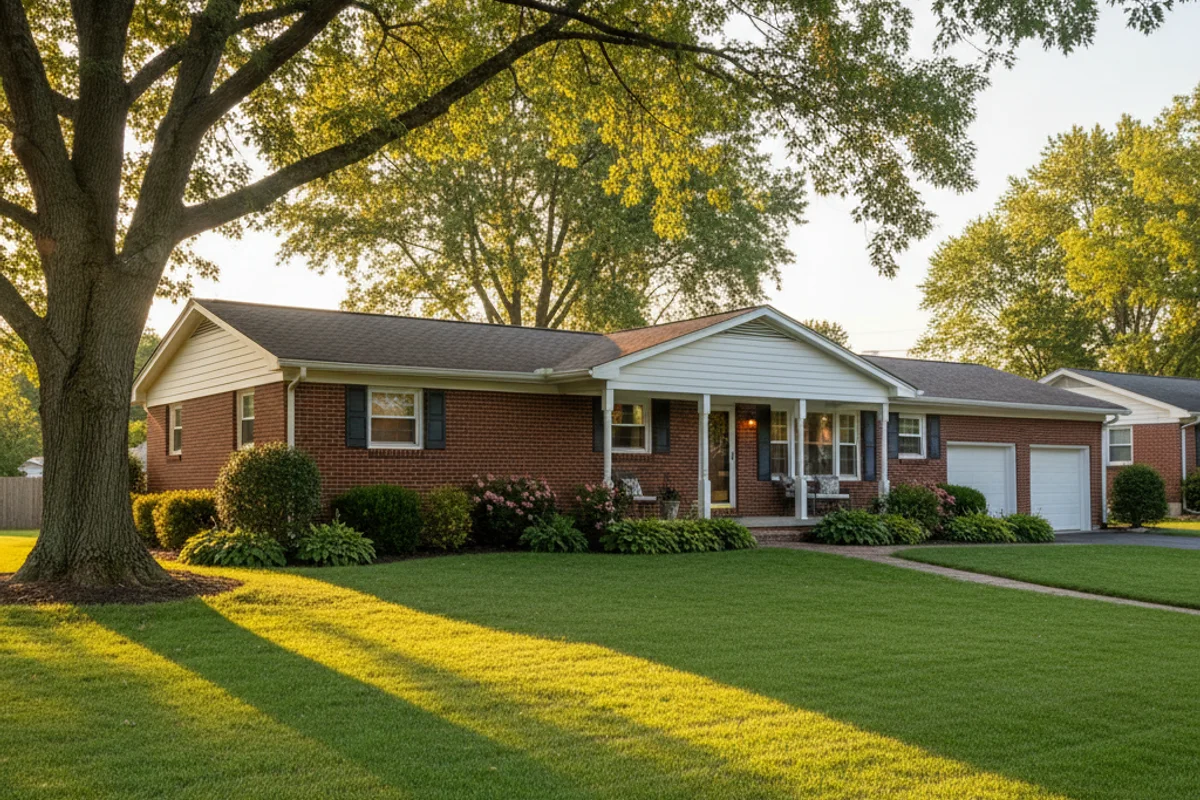
Your Cincinnati neighborhood changes the equation. Here’s how. If you’re trying to sell your house as is in Cincinnati, the zip code on your deed matters more than most sellers realize. A Craftsman bungalow in Oakley and an identical bungalow in Price Hill will draw very different offers from both traditional buyers and cash buyers. Understanding how your specific neighborhood affects your property’s as-is value helps you set realistic expectations and recognize a fair offer when you see one.
Cincinnati is a city of neighborhoods, each with its own market dynamics, buyer demand, and price trajectory. And with 25% of all Cincinnati home sales now closing as cash transactions, the as-is market here is well-established and active across all of them.
How Cincinnati’s Diverse Neighborhoods Shape As-Is Property Values
No two Cincinnati neighborhoods behave the same way in the housing market. Here’s a realistic look at how neighborhood context affects what cash buyers will offer for your property.
Over-the-Rhine and surrounding urban core. OTR has seen dramatic appreciation over the past decade, driven by renovation investment and demand from young professionals. As-is properties here attract strong cash buyer interest because buyers understand the renovation economics. A house needing $60,000 in work in OTR can still make financial sense for a buyer if the location supports a strong after-repair value. Expect cash offers at the higher end of the range, reflecting genuine location value.
Hyde Park and East Side neighborhoods. Hyde Park, Oakley, and Columbia-Tusculum carry premium prices and consistent buyer demand. Homes here in any condition attract interest because the fundamentals are strong: good schools, walkable commercial districts, strong resale history. Cash buyers in these neighborhoods compete more aggressively, which typically means better offers for sellers.
Northern neighborhoods: Clifton, Mount Auburn, Avondale. These areas have older housing stock, often built before 1950. Many properties here have been updated but others carry significant deferred maintenance. The Victorian and Craftsman homes that define Clifton are architecturally valuable, which supports higher as-is offers. Areas closer to the University of Cincinnati also benefit from rental demand that makes renovation investments more predictable.
Price Hill and the West Side. Price Hill and nearby neighborhoods offer lower price points and more mixed demand. Traditional sales can take longer here, which makes cash offers more attractive as a timing play. As-is offers in these neighborhoods reflect lower after-repair values, so the absolute dollar amounts will be lower, but the math comparing cash versus traditional often still favors cash when you factor in extended carrying costs and repair investments.
Northern suburbs: Blue Ash, Sharonville, Mason. Suburban areas with strong school systems attract consistent buyer demand. Homes here are typically newer and in better condition, so as-is offers tend to be at the higher end of the value range. Cash buyers in these submarkets often target specific property types rather than sweeping up all distressed inventory.
Norwood, Madeira, Indian Hill. Each carries its own buyer profile. Indian Hill properties at the luxury price point attract a different cash buyer category than Norwood’s working-class housing stock. Both markets have active cash buyers because Cincinnati’s overall investment fundamentals are sound.
The Hamilton County Auditor property records show assessed values and recent sale history by neighborhood. Using this data before you request cash offers helps you understand where your property fits and whether offers you receive are competitive.
For a complete guide, read our resource on selling your house as is in Cincinnati.
Get Your Free Cash Offer Today
No fees. No repairs. Close in as little as 7 days.
Related Video
What Actually Drives As-Is Offers in Cincinnati
Cash buyers calculate offers using a consistent formula, but the inputs vary by neighborhood. Understanding what drives the number gives you leverage.
After-repair value is the foundation. A cash buyer’s first step is estimating what your property will sell for after renovation. They use comparable sales from the past three to six months in your specific neighborhood, not citywide averages. A three-bedroom home in German Village has a different ARV than a three-bedroom home in Westwood. This is why neighborhood context matters so much.
Repair scope and cost estimates. Cincinnati’s pre-1950 housing stock means many properties need foundation work, electrical panel upgrades, plumbing updates, or roof replacements. Buyers with established contractor relationships estimate repair costs more accurately than general contractors you’d hire retail. Their cost basis is often lower than yours would be, which allows them to offer more while still making the deal work financially.
Carrying costs during renovation. The time required to renovate and resell your property factors into the buyer’s calculation. A property needing six months of work costs the buyer six months of taxes, insurance, and utilities before they can sell. This affects their maximum offer.
Market demand at the finished price point. If your neighborhood’s after-repair value puts the renovated property in a price range with low buyer demand, the buyer’s risk increases and their offer reflects that. This is why a $200,000 ARV in a neighborhood with strong demand at that price is a better investment than a $200,000 ARV in a neighborhood where homes at that price sit for months.
Ohio requires sellers to complete a Residential Property Disclosure Form detailing known defects, even in as-is sales. Complete this honestly. Cash buyers appreciate accurate disclosures because it helps them price accurately. It also protects you from post-sale liability if the buyer later claims you hid something.
What As-Is Looks Like vs. Traditional: The Real Numbers
Cincinnati’s median home price is $265,000. Let’s run the actual numbers for a property in the middle of the market needing moderate work, say $20,000 in repairs.
Traditional listing route:
You invest $20,000 in repairs to get the property showing-ready. Realtor commission at 5.5%: $14,575. Seller closing costs: $5,300. Carrying costs during 40-day listing plus 30 to 45 days to close: $2,500. Total costs: $42,375.
Net proceeds from a $265,000 sale: $222,625.
Cash sale route:
Cash offer at 80% of market: $212,000. Zero commission. Zero repairs. Zero extended carrying costs. Close in 14 days.
Net proceeds: $212,000.
The gap is $10,625. That’s the real cost of certainty, speed, and zero repair headaches. Whether that trade-off makes sense depends on your specific situation and timeline.
Now run the same math with $40,000 in needed repairs. Traditional listing requires a $40,000 investment upfront. Your net from that same $265,000 sale after all costs: $202,625. Cash offer at 78% of a $265,000 market value: $206,700. The cash sale now nets more than the traditional route.
The more your property needs, the more favorable the cash option looks. Homes in neighborhoods with lower demand also shift the math because carrying costs extend and traditional sale prices compress.
Many homeowners in nearby markets like Akron face similar decisions. The cash offer versus listing with realtor in Akron analysis demonstrates how these neighborhood dynamics affect the comparison consistently across Ohio markets.
The Selling Process Step by Step
Selling your home for cash in Cincinnati removes most of the complexity from traditional transactions. Here’s what to expect.
You contact a cash buyer and provide basic property details. Address, approximate size, general condition, and photos if you have them. Most buyers respond with a preliminary offer within 24 hours. This number reflects your neighborhood’s market conditions and a preliminary estimate of repair costs.
If the preliminary offer range interests you, the buyer schedules a walkthrough. This is not a formal inspection designed to generate renegotiation leverage. It’s a 20-to-30-minute visit to confirm the property details you shared and finalize their offer. Buyers who walk through properties in Clifton approach them differently than they approach Westwood properties because the renovation economics are different.
After the walkthrough, you receive a final written offer with a specific purchase price, proposed closing date, and confirmation that zero fees are deducted from your proceeds. You choose your closing date. Need to close in 10 days because you’ve already relocated? Done. Prefer to wait 60 days until your next housing situation is ready? That works too.
The title company handles paperwork and ensures clear property transfer. On closing day, you sign documents and receive payment by wire transfer or cashier’s check. Most Cincinnati cash home buyers use title companies familiar with expedited timelines across Hamilton County.
Job relocations to or from Cincinnati’s major employers like Procter & Gamble, Kroger, and Cincinnati Children’s Hospital drive many as-is sales. When your career demands a quick move, waiting 40-plus days for a traditional buyer who’ll then demand repairs simply doesn’t work.
Find Out What Your Home Is Worth
Get a no-obligation cash offer in 24 hours.
Common Questions About Cincinnati As-Is Sales
Does selling as is mean I don’t have to disclose problems? No. Ohio requires disclosure of known defects regardless of sale type. The difference is buyers accept the property’s condition without requesting repairs. You’re being transparent about issues rather than fixing them.
How do I verify a cash buyer is legitimate? Check their business registration with the Ohio Secretary of State. Read reviews on Google and the Better Business Bureau. Ask for references from recent Cincinnati sellers. Legitimate companies operate transparently and never pressure you to sign immediately.
What if I owe more than my home’s worth? Some cash buyers work with underwater properties through short sales, though this requires lender approval. Honest buyers will tell you upfront whether they can help your specific situation.
Can I sell if I’m behind on property taxes? Yes. Hamilton County property tax liens transfer with the property or are paid from proceeds at closing. Buyers factor outstanding tax amounts into their offers.
What about inherited properties? Estate sales through Ohio probate follow specific requirements. Cash buyers experienced with estate sales can navigate this process. Most probate sales still complete faster than traditional listings. Consult the Hamilton County Probate Court for specific guidance on your situation.
Do I need a real estate attorney? Ohio doesn’t require attorney representation for home sales, though reviewing documents with one protects your interests in complex situations involving estates, divorce, or title issues.
If you’re facing foreclosure, contact HUD-approved housing counselors for free guidance on your options. Cash sales often close fast enough to avoid foreclosure’s credit consequences while preserving whatever equity remains.
Making Your Decision
Cincinnati’s neighborhood diversity means there’s no universal answer about whether a cash sale makes sense for your property. The right question is: what does your specific home, in your specific neighborhood, need in repairs, and what does that math look like both ways?
Get your cash offer from two or three local buyers to establish a real baseline. Compare those offers against what you’d genuinely net from a traditional listing after commissions, repairs, and carrying costs. The comparison will be more favorable to cash than most sellers expect, especially for properties needing meaningful work.
Cincinnati’s 25% cash transaction rate means the buyers are there, the process is established, and the title companies know how to close quickly. Your neighborhood determines the price range. Your property’s condition determines how the math compares. The decision belongs to you.
A Quick Note on Ohio’s Closing Process
Ohio does not require a real estate attorney at closing, though sellers dealing with estate situations, divorce-related sales, or title complications often choose to involve one. Most cash closings in Cincinnati use a licensed title company, which keeps timelines tight and costs low.
Ohio charges a conveyance fee and real estate transfer tax at closing. In Hamilton County, this runs $4 per $1,000 of sale price. On a $265,000 home, that totals $1,060. Reputable cash buyers cover this cost as part of their no-fee commitment to sellers. Confirm it is included before signing anything.
For more details, see our guide on cash offer vs listing in Cincinnati.
We also help homeowners in Cincinnati dealing with divorce, foreclosure, and inherited property situations.
Ready to Sell? Let's Talk.
Get your cash offer now. No obligation, no hassle.

Jackie is the COO and a Correspondent at NestCash, combining leadership with real estate reporting and market insight. She covers key trends across 12 states, helping ensure NestCash delivers clear, reliable guidance nationwide.