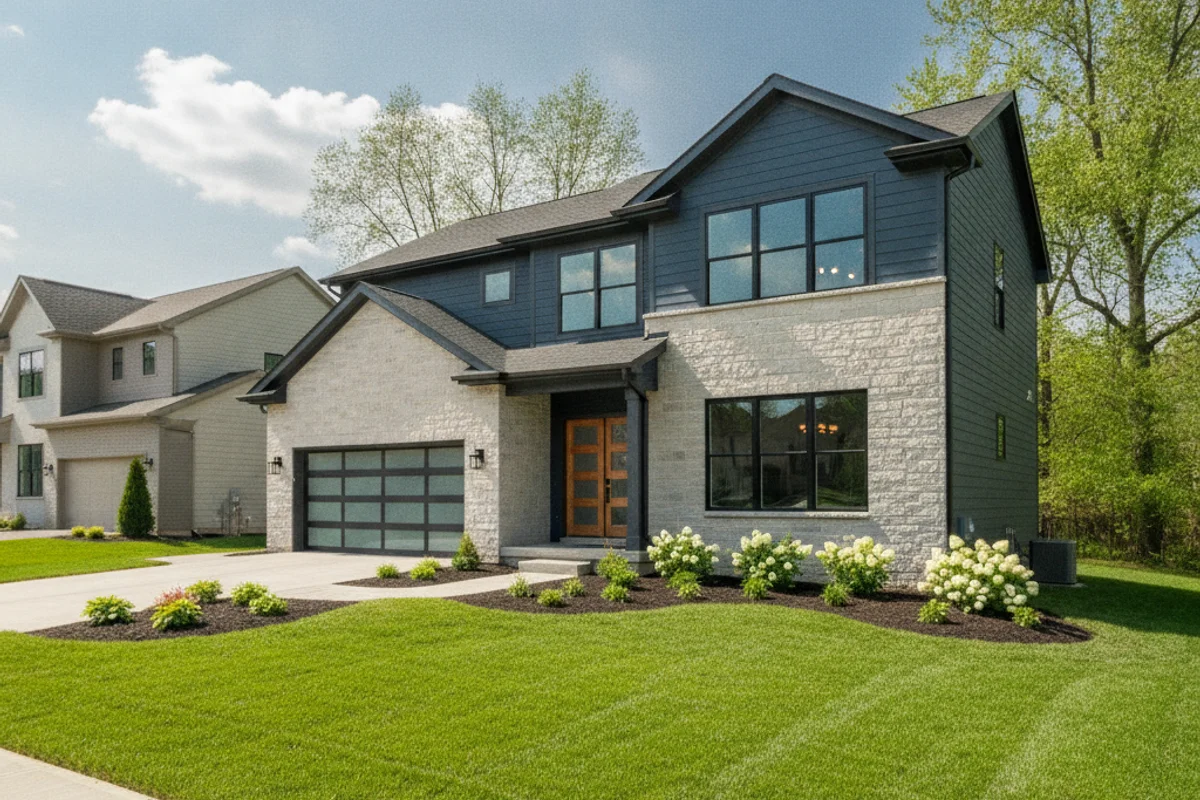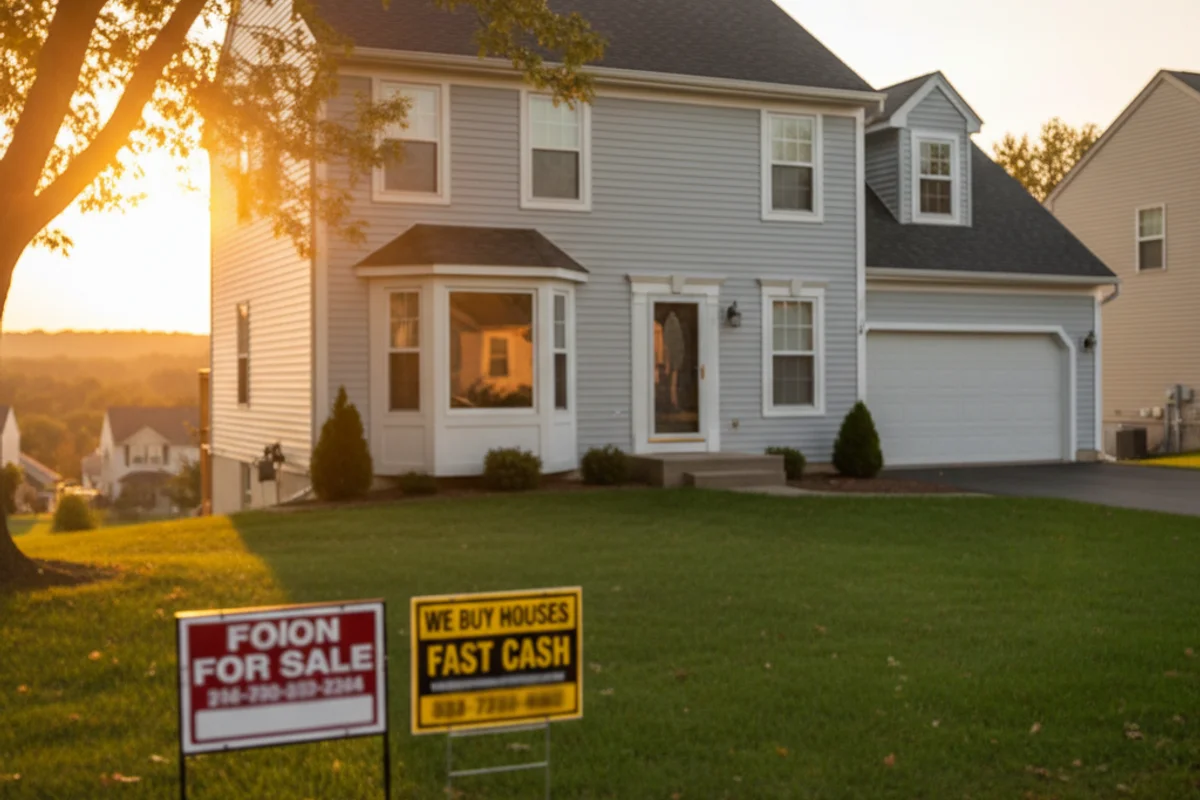
Sell Inherited House In Allentown: Close in 7 Days or Less
Need to sell an inherited house in Allentown? Learn Pennsylvania probate steps, tax implications, and how cash buyers help you close in days. Get your offer today.

Head of Sales, NestCash··12 min read

Losing someone you love is hard enough. Suddenly becoming responsible for their house, their mortgage, their property taxes, and all the decisions that come with it, that part catches most people completely off guard. If you’re trying to figure out how to sell your inherited house in Allentown, you’re not alone, and you’re not behind. This guide walks you through the real process, from Pennsylvania probate to taxes to your fastest path forward, in plain language without the legal jargon. Whether the property is a brick row home in Midtown, a craftsman in the West End, or a ranch in South Allentown, the steps are largely the same and manageable once you know what to expect.
What to Do When You Inherit a House in Allentown
The first few weeks after inheriting a property can feel completely chaotic. You’re grieving. You’re sorting through decades of paperwork, furniture, and personal belongings. And someone, often a family member or an attorney, keeps asking what you plan to do with the house. Here’s a practical starting point to get your footing.
Before anything else, secure the property physically. Change the locks, notify the homeowner’s insurance company of the ownership change, and make sure utilities stay on to prevent pipe damage, especially during Allentown’s harsh winters. The Lehigh Valley gets serious freeze-and-thaw cycles from November through March, and a vacant home with no heat can suffer burst pipes, mold growth, and structural damage within a single season. That’s an expensive problem to inherit on top of everything else.
Next, locate the will and any estate planning documents. These establish who has legal authority to act on behalf of the estate. If there’s no will, Pennsylvania’s intestate succession laws determine who inherits, and that process runs through Lehigh County Orphans’ Court. Having those documents in hand early saves weeks of confusion later.
Once you’ve established legal footing, get a realistic sense of what the home is worth in today’s market. Allentown’s median home price currently sits around $255,000, with homes averaging just 15 days on the market, which signals solid buyer demand and a stable market overall. Neighborhoods like the West End, Fountain Hill, and South Allentown all carry different price points and attract different buyer profiles. The West End tends to draw buyers looking for larger lots and more established streetscapes, while Fountain Hill attracts first-time buyers priced out of higher-cost suburbs. A local appraisal or comparative market analysis from a licensed agent will give you a real number to anchor your decisions.
Finally, resist the pressure to decide anything too quickly. You have options, and understanding them fully before committing to a path will save you money and stress.
Get Your Free Cash Offer Today
No fees. No repairs. Close in as little as 7 days.
Understanding Pennsylvania Probate and Inherited Property
Probate is the legal process of validating a will and transferring assets from a deceased person’s estate to their heirs. In Pennsylvania, almost every inherited property goes through some form of probate before it can be legally sold or transferred.
The good news is Pennsylvania offers a few different paths depending on the estate’s size and complexity.
Small Estate Affidavit: If the estate’s total value is under $50,000 (excluding certain assets like jointly held property or accounts with named beneficiaries), heirs may be able to use a simplified affidavit process to transfer the property without full probate court involvement. This approach can wrap up in a matter of weeks rather than months and significantly reduces legal costs.
Formal Probate: For larger or more complex estates, the executor files a petition with Lehigh County Orphans’ Court. The court then issues Letters Testamentary, which are the legal documents that give the executor authority to sell, transfer, or manage estate property. Formal probate in Pennsylvania typically takes four to twelve months, though straightforward cases with no contested elements can move closer to the four-month end of that range.
Here’s an important distinction that trips people up: you can list and market the property during probate, and you can even accept a purchase offer. But you cannot legally close the sale and transfer title until the court grants the executor authority to do so. This is why working with a buyer who understands estate sales and can wait for the process to conclude is so valuable. Nolo’s probate process overview is a helpful starting point for understanding the mechanics, but you’ll want a Pennsylvania estate attorney for anything specific to your situation.
If there are multiple heirs involved, all parties generally need to agree on the sale and the terms. Disagreements between siblings or co-heirs are one of the most common reasons inherited property sales stall out. A neutral third party, either an attorney or a mediator, can sometimes help move things along when family dynamics get complicated.
For a complete guide, read our resource on selling your house in Allentown.
The Hidden Costs of Keeping an Inherited Allentown Home
People sometimes think holding onto an inherited property is the cautious choice, that they can decide later when the grief settles. But holding a vacant home costs real money every single month, and those costs don’t pause while you figure things out.
Here’s what you’re likely paying while the property sits:
- Property taxes: Allentown property taxes are assessed through Lehigh County. Depending on the home’s assessed value, annual taxes on a modest inherited property can run anywhere from $3,000 to $6,000 per year, or $250 to $500 coming out of your pocket every month.
- Homeowner’s insurance: A vacant property typically requires a separate vacancy policy, which costs significantly more than a standard homeowner’s policy. Some standard policies will deny claims entirely if a home sits unoccupied for more than 30 to 60 days without notification.
- Utilities: Keeping heat on to protect pipes through an Allentown winter is not optional. Gas and electric costs for a vacant home can easily run $150 to $300 per month from November through March alone.
- Maintenance: Gutters need cleaning, lawns need mowing, and snow needs shoveling. A neglected property in a dense neighborhood like Midtown or South Allentown can attract municipal code citations from the city, adding fines on top of maintenance costs.
- HOA fees: If the property sits in a planned community or condo association, those dues continue regardless of occupancy status. Missing them can trigger liens against the property.
Add it all up and you’re looking at $1,500 or more per month in carrying costs for a vacant Allentown home. Over six months while you sort through probate and family discussions, that’s $9,000 gone before you’ve made a single decision. Every month you delay is a month those costs compound.
Find Out What Your Home Is Worth
Get a no-obligation cash offer in 24 hours.
Should You Renovate an Inherited Allentown House Before Selling?
This is one of the most common questions heirs wrestle with, and it’s worth thinking through carefully because the answer depends on your timeline, your available budget, and your appetite for managing a construction project from potentially hundreds of miles away.
Here’s a side-by-side look at the two paths:
| Factor | Renovate Then List | Sell As-Is for Cash |
|---|---|---|
| Upfront cost | $15,000 to $60,000+ depending on condition | $0 |
| Timeline | 3 to 6 months for renovations, then 30 to 45 days to close | 7 to 21 days to close |
| Sale price potential | Closer to $255,000 median or above | Below market value |
| Commissions and fees | 5 to 6% realtor commission plus closing costs | None |
| Risk | Cost overruns, contractor delays, inspection failures | Minimal |
| Effort required | High, especially for out-of-state heirs | Very low |
| Condition flexibility | Buyer expects move-in ready condition | Buyer takes property as-is |
Older Allentown homes, particularly those built in the 1940s through 1970s in neighborhoods like Midtown or Fountain Hill, frequently come with deferred maintenance that adds up fast once you start peeling back walls. Outdated electrical panels, aging roofs with multiple layers of shingles, original galvanized plumbing, and uninsulated attics are common discoveries. A pre-listing renovation on a house like that can easily run $40,000 to $60,000, with no guarantee you’ll recoup every dollar in the final sale price.
Pennsylvania also requires sellers to complete a property disclosure statement under state law, even for inherited properties. You can review exactly what’s required at NOLO’s Pennsylvania seller disclosure guide. Selling as-is to a cash buyer doesn’t eliminate your disclosure obligations entirely, but it does eliminate the pressure to repair every disclosed issue before a buyer will sign.
If you’re managing this process from out of state, the renovation path becomes genuinely difficult. Coordinating licensed contractors, pulling permits through the City of Allentown, scheduling inspections, and making design decisions remotely while managing your own life and job is a real logistical burden. For many heirs, the certainty and simplicity of a cash sale is worth far more than the theoretical upside of a renovated listing.
For a deeper look at how cash offers compare to listing with a realtor on paper, check out our breakdown of cash offer vs. listing with a realtor in Allentown, which walks through real numbers on commissions, timelines, and net proceeds.
Tax Implications of Selling Inherited Property in Pennsylvania
Taxes are one of the most confusing parts of selling an inherited home, and the anxiety around them often leads heirs to make rushed decisions. The good news is that the tax picture is frequently better than people expect.
Stepped-up cost basis: When you inherit a property, the IRS typically resets your cost basis to the home’s fair market value at the date of the original owner’s death, not what they paid for it twenty or forty years ago. This is called a stepped-up basis, and it’s one of the most significant tax advantages available to heirs. If you sell the property shortly after inheriting it and the value hasn’t changed much, you may owe little to no federal capital gains tax. The IRS guidance on inherited property explains how this works in more detail.
Pennsylvania inheritance tax: Pennsylvania is one of a small number of states that levies its own inheritance tax, and it’s important to understand this is separate from capital gains. The rate depends on your relationship to the deceased person. A surviving spouse pays 0%. Children and grandchildren pay 4.5%. Siblings pay 12%. More distant relatives or non-family heirs pay 15%. This tax is calculated on the value of the assets inherited and is due within nine months of the date of death to avoid additional interest charges.
Capital gains if you hold the property: If you decide to keep the house for a year or longer before selling, any appreciation in value above the stepped-up basis becomes a taxable capital gain when you eventually sell. Selling relatively soon after inheriting typically minimizes this exposure significantly.
A note on timing: The stepped-up basis is calculated as of the date of death, not the date probate closes. Getting an appraisal done promptly after inheriting establishes that baseline and protects you if the IRS ever asks questions later.
Talk to a CPA or estate attorney before you close on any sale. The tax math is specific to your situation, your relationship to the deceased, and the property’s value history, and getting it right can mean thousands of dollars in your pocket.
How to Sell Your Inherited Allentown Home Fast for Cash
If a clean, fast, low-hassle sale sounds like what you actually need right now, here’s how the cash buying process works in practice, not just in theory.
Step 1: Reach out and share basic details. You provide information about the property, including its location in the Lehigh Valley, general condition, and where things stand with the estate and probate timeline. No cleaning, staging, or repairs required before this conversation. Cash buyers who specialize in inherited properties have seen every situation and won’t be surprised by deferred maintenance, tenant complications, or mid-probate timelines.
Step 2: Receive a cash offer. A reputable buyer will make you a no-obligation cash offer, typically within 24 to 48 hours of reviewing the property details. With Allentown’s market running roughly 45% cash transactions, buyers in this space are active and very familiar with the inherited property process. The offer will reflect the home’s condition and current market values honestly.
Step 3: Choose your closing date. This is one of the most underrated advantages of a cash sale. You can close in as little as seven days if probate has concluded and you need to move quickly, or you can schedule closing weeks out if you’re still waiting on Letters Testamentary from Lehigh County Orphans’ Court. The timeline works around the estate’s schedule, not the buyer’s.
Step 4: Close and walk away. You take whatever personal belongings and items matter to you. Leave what you don’t want. The buyer handles furniture removal, cleanout, and any repairs or renovations that follow. There are no realtor commissions to pay, no inspection contingencies to negotiate through, no open houses to coordinate, and no waiting on a buyer’s mortgage approval to come through.
For heirs managing grief, physical distance, or disagreements between family members, that simplicity carries real value that doesn’t show up in a spreadsheet but matters enormously in real life.
We’ve also put together similar real-number breakdowns for other Pennsylvania cities if you want to compare approaches. See how the math plays out in our cash offer vs. listing analysis for Reading and our Pittsburgh cash vs. realtor comparison. Our team works with families across the state through our sell a house in Pennsylvania page, and we serve heirs in nearby cities including Philadelphia and Reading.
When you’re ready to take the next step, Allentown cash home buyers can walk you through your options with no pressure and no obligation. You can get your cash offer today and have a real number in hand within 48 hours.
Selling a family home is never a purely financial decision. It carries emotional weight that’s real and valid. But having a clear, practical path forward can lift one enormous burden off your shoulders while you focus on what actually matters most right now.
We also help homeowners in Allentown dealing with divorce, foreclosure, and selling as-is situations.
Ready to Sell? Let's Talk.
Get your cash offer now. No obligation, no hassle.

Jessica is the Head of Sales at NestCash and a real estate professional known for her market expertise and customer-first approach. Working across 12 states, she helps shape strategies that support buyers, sellers, and investors with confidence.