Sell House With Code Violations In Denver: Skip Repairs and Showings
Need to sell a house with code violations in Denver? Learn how cash buyers close fast, skip repairs, and put money in your pocket without the hassle.

COO & Correspondent, NestCash··11 min read
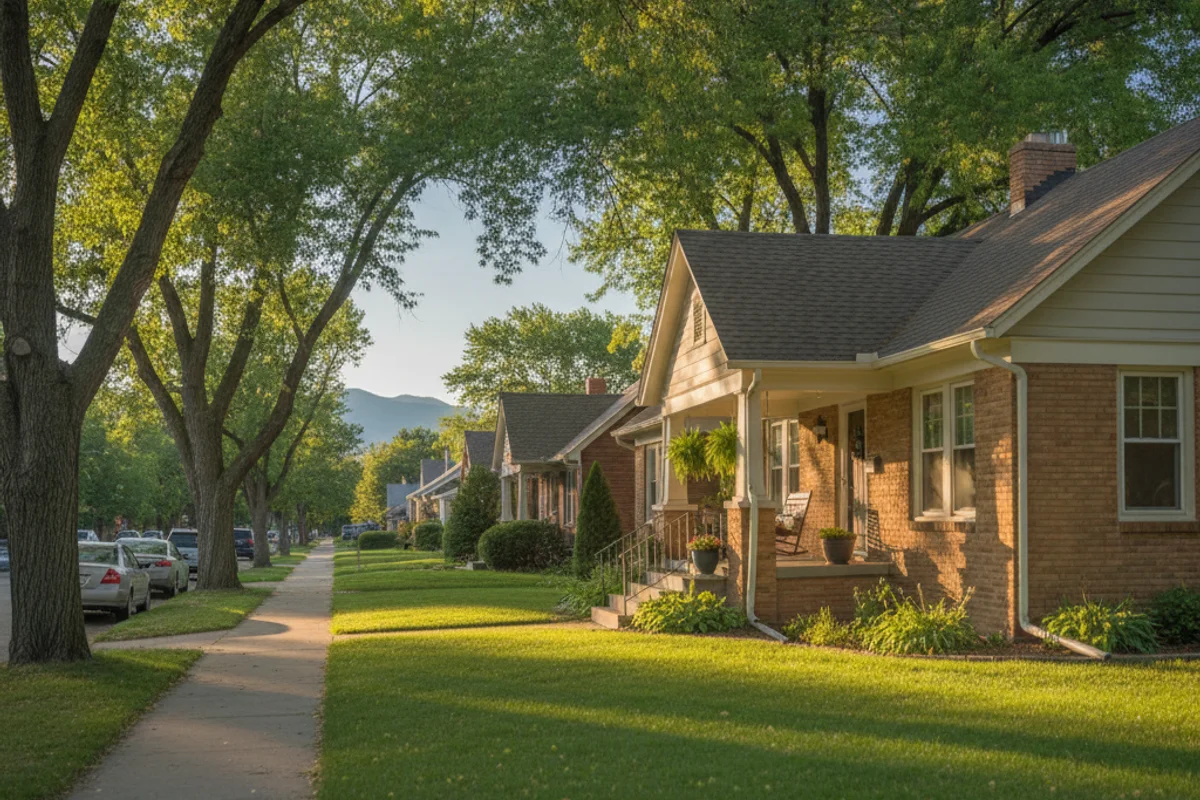
Your neighbor just sold their place in Washington Park for close to asking price after a smooth 30-day close. Your situation looks a little different. If you need to sell your house with code violations in Denver, that picture changes fast. Lenders get nervous. Buyers walk. And suddenly a property worth good money feels like a trap you can’t escape.
Here’s the thing: code violations don’t have to kill your sale. They just change who your best buyer is.
Why Denver’s Cash Market Is the Right Fit for Code Violation Properties
Denver’s real estate market moves quickly even with code issues in the mix. Right now, roughly 25% of home sales in Denver are cash transactions. That’s a meaningful slice of the market, and it represents buyers who aren’t waiting on bank approvals, appraisals, or inspection contingencies tied to repairs.
Traditional buyers using financing face a different reality. When a home has open permits, unpermitted additions, or active code violations, lenders often refuse to fund the loan until issues are resolved. FHA and VA loans are especially strict about this. That means even a genuinely willing buyer can’t close without you spending thousands on repairs first, repairs that might take weeks to schedule in a city where good contractors are booked solid.
Cash buyers operate completely outside that system. They’re not borrowing money, so no lender gets to veto the deal. Denver cash home buyers specifically look for properties that need work, including homes with code issues that would send conventional buyers running.
This is also why homeowners in neighborhoods like Globeville, Sun Valley, and Montbello, where older housing stock means older electrical panels, outdated plumbing, and sometimes unpermitted basement finishes, are turning to cash sales more than ever. These homes were built in eras when permit requirements were looser and renovation norms were different. The homes have real value. The violations are fixable. But you shouldn’t have to be the one to fix them before you can sell.
Denver’s older neighborhoods carry a particular mix of charm and complexity. A brick bungalow in Globeville from the 1940s might have a gorgeous original hardwood floor and a 60-amp electrical panel that hasn’t been touched since Eisenhower was president. That panel isn’t going to pass a modern inspection, and a financed buyer’s lender won’t fund around it. A cash buyer sees the whole picture and prices accordingly.
Get Your Free Cash Offer Today
No fees. No repairs. Close in as little as 7 days.
Related Video
The Step-by-Step Reality of a Cash Sale in Denver
Let’s break this down so you know exactly what to expect when you go this route.
Step 1: Reach out and share basic property details. You don’t need an inspection report or a contractor estimate in hand. Cash buyers want to know your address, the general condition, and what you know about existing violations. That’s it to get started.
Step 2: Get a cash offer. A reputable buyer will typically present a written offer within 24 to 48 hours. You can get your cash offer without any obligation to accept. The offer will reflect the property’s current condition, which means violations are already priced in from the start. No surprises come up later demanding you fix something before closing.
Step 3: Review and negotiate. You’re not locked in the moment you receive a number. If the offer doesn’t work for you, you can ask questions, request a breakdown of how the buyer arrived at the figure, or simply decline. A good buyer will walk you through their reasoning without pressure.
Step 4: Close on your schedule. If you accept, closing typically happens in 7 to 14 days. You pick the actual date. No waiting on underwriters, no last-minute repair demands surfacing from a re-inspection, no appraisal gaps threatening to blow up the deal on day 38.
One thing that doesn’t go away regardless of how you sell: Colorado’s disclosure requirements. The state requires sellers to complete a property disclosure form covering known material defects. You can review Colorado’s seller disclosure obligations to understand exactly what needs to be reported before you sign anything. Cash buyers expect disclosed violations. Transparency actually protects you legally by putting everything on the table upfront and eliminating the possibility of a post-sale dispute.
Denver’s Market Numbers and What They Mean for Your Situation
Denver’s median home price sits at $630,000 right now, and homes are averaging about 19 days on market in a stable environment with moderate inventory. Those numbers sound encouraging until you factor in what code violations actually do to your buyer pool and your timeline.
A conventional buyer making an offer on your home in Curtis Park or Cole still needs financing approved. If the appraisal flags violations or the home inspection surfaces unpermitted work, the buyer’s lender can require repairs before funding the loan. That creates a negotiation standoff that can drag on for weeks. You either spend the money to fix the problems, negotiate a price reduction deep enough to scare off other buyers, or the deal falls apart entirely.
According to Redfin’s Denver market data, homes that sit on the market beyond 30 days see meaningful price reductions. When you’re dealing with code issues, that clock starts ticking the moment a buyer’s inspector finds the first problem and reports back to the lender. You can go from a clean accepted offer to a canceled contract faster than most sellers expect.
Cash buyers step over all of that. They’ve already priced in the condition before making the offer. They’re not going to come back after inspection asking for $15,000 in credits or threatening to walk unless you replace the roof. The offer you receive on day one is the offer you can count on through closing.
Denver also attracts a significant population of out-of-state relocators, particularly from California and Texas, who are often buying on tight timelines tied to job start dates. Many of these buyers need move-in-ready homes and will skip a property with any disclosed issues without a second look. That buyer behavior makes code violation properties even harder to move through traditional channels in the current market.
If you want to compare the cash path side by side with a traditional listing in concrete dollar terms, our breakdown of cash offer vs. listing with a realtor in Denver walks through the real numbers, including commissions, repair costs, and carrying costs that most sellers don’t account for when they first think about listing.
Find Out What Your Home Is Worth
Get a no-obligation cash offer in 24 hours.
5 Real Reasons Denver Sellers Skip the Traditional Listing Process
1. Repairs are expensive and unpredictable. A simple electrical upgrade to bring a panel to code can run $3,000 to $8,000 in Denver depending on the scope. Unpermitted additions that need to be legalized through the city’s permit process can cost far more, especially if inspections reveal that the work doesn’t meet current building codes and has to be partially redone. When you don’t know the full scope until you’re three contractors deep and two months into the process, that’s a serious financial risk on top of an already stressful situation.
2. Traditional buyers have options right now. Denver has moderate inventory, which means buyers aren’t desperate enough to overlook problems. If your home has known issues, they’ll move on to a cleaner listing without a second thought. You might sit on the market longer than the 19-day average, which signals to future buyers that something is wrong and invites lowball offers.
3. Carrying costs add up faster than most people realize. Every month you spend fixing the house and waiting for a traditional buyer costs you mortgage payments, insurance, utilities, and property taxes. The Denver County Assessor’s Office tracks your tax obligations regardless of whether your house is occupied or actively on the market. You can verify your current property tax details and assessment through the Denver County Assessor’s Office. At $630,000 median values, those monthly holding costs can run $3,500 to $5,000 or more depending on your mortgage and tax situation.
4. Code issues can trigger lender denials even late in the process. Imagine accepting an offer, getting through three weeks of due diligence, coordinating your own move, and then having the deal collapse because the underwriter flagged an open permit pulled in 2019 that was never finalized. It happens more often than people realize, and it leaves you back at square one with a house that’s now been on the market long enough to raise questions.
5. Life doesn’t pause for renovation timelines. Divorce, job relocation to another city, an inherited property you never planned to manage, financial hardship that’s making every month harder than the last. These situations don’t wait for a kitchen gut-renovation to wrap up before demanding resolution. Selling your house fast in Denver to a cash buyer means you can move forward on your timeline, not the market’s.
If you’re also carrying an existing mortgage on the property, our guide on selling a house with a mortgage in Denver covers exactly how payoff works within a cash sale and what you can realistically expect to walk away with after the mortgage is settled.
We also help homeowners across the Front Range. If you’re in a similar situation just east of the city, our Aurora cash home buyers team works the same streamlined process. And you can explore options across the state through our sell a house in Colorado page.
If the situation is heading toward foreclosure on top of the code violation complications, the U.S. Department of Housing and Urban Development offers a solid set of foreclosure avoidance resources through HUD that are worth reviewing before things get further along. You have more options than it might feel like right now.
Common Questions About Cash Home Sales in Denver
What if my violations are serious? Structural issues, foundation problems, major electrical failures. Cash buyers still evaluate these properties. The offer will reflect the severity of the work needed, but you won’t be turned away simply because the problems are significant. The goal on both sides is to find a number that works, and experienced cash buyers have seen properties in every condition imaginable across Denver’s neighborhoods.
Will I net less than with a traditional sale? Sometimes, but run the real math before assuming the gap is large. Subtract a 5-6% agent commission from a $630,000 sale price and you’re already looking at $31,500 to $37,800 out of pocket before repairs, staging, or price reductions. Add repair costs to bring the home to code, factor in 45 to 60 days of carrying costs at $4,000 per month, and account for any price reductions after inspection negotiations. The gap between a cash offer and a traditional net proceeds figure shrinks considerably when you do that math honestly rather than comparing a cash offer against full retail price with no deductions.
What if I don’t know the full extent of the violations? That’s fine. You’re only required to disclose what you actually know. If you’re uncertain about the scope of issues in the property, a cash buyer will typically do their own walkthrough and assessment. You don’t need to have every answer or a complete contractor report before reaching out for an offer.
Can I sell my house with code violations in Denver if there’s an active complaint filed with the city? Yes. Open complaints and active enforcement cases don’t prevent you from selling. The buyer takes ownership of the resolution process after closing, and experienced cash buyers know how to work through Denver’s code enforcement process.
What neighborhoods do cash buyers work in? All of them. From Stapleton and Green Valley Ranch on the east side to Westwood and Harvey Park on the west, cash buyers evaluate homes in every Denver zip code regardless of the neighborhood’s price point or the property’s condition.
For homeowners in other Colorado markets who’ve found this helpful, our breakdown of cash offers vs. listing with a realtor in Colorado Springs covers the same core concepts applied to a different market with its own pricing dynamics and buyer pool.
Your Next Step
You don’t have to figure this out alone, and you don’t have to spend money you don’t have fixing violations just to get to the closing table.
To sell your house with code violations in Denver is genuinely possible without repairs, without months of showings, and without the stress of wondering whether your deal will survive a lender’s inspection checklist. Homeowners across Denver, from older bungalows in Globeville to mid-century ranches in Harvey Park, have closed quickly with cash buyers, walked away with money in hand, and moved on to whatever comes next.
The first move is straightforward. Find out what your home is actually worth in its current condition, violations and all. Get your cash offer and have a real number to work with. There’s no pressure, no commitment, and no cost to you for that conversation.
If you want to explore all your options across the state first, start with our sell a house in Colorado page or go straight to the Denver cash home buyers page to learn more about how the local process works from offer to closing.
You’ve got a property with real value. You’ve got options that don’t require a contractor or a six-month timeline. The next step is simply finding out what those options are actually worth in dollars.
NestCash works with Denver homeowners dealing with divorce, foreclosure, inherited properties, and homes that need to sell as-is every single day.
Ready to Sell? Let's Talk.
Get your cash offer now. No obligation, no hassle.

Jackie is the COO and a Correspondent at NestCash, combining leadership with real estate reporting and market insight. She covers key trends across 12 states, helping ensure NestCash delivers clear, reliable guidance nationwide.