Sell House With Code Violations In Cincinnati: Zero Fees, Fair Offers
Want to sell your house with code violations in Cincinnati? Learn how cash buyers close fast, skip repairs, and pay zero fees. Get a fair offer today.

COO & Correspondent, NestCash··11 min read

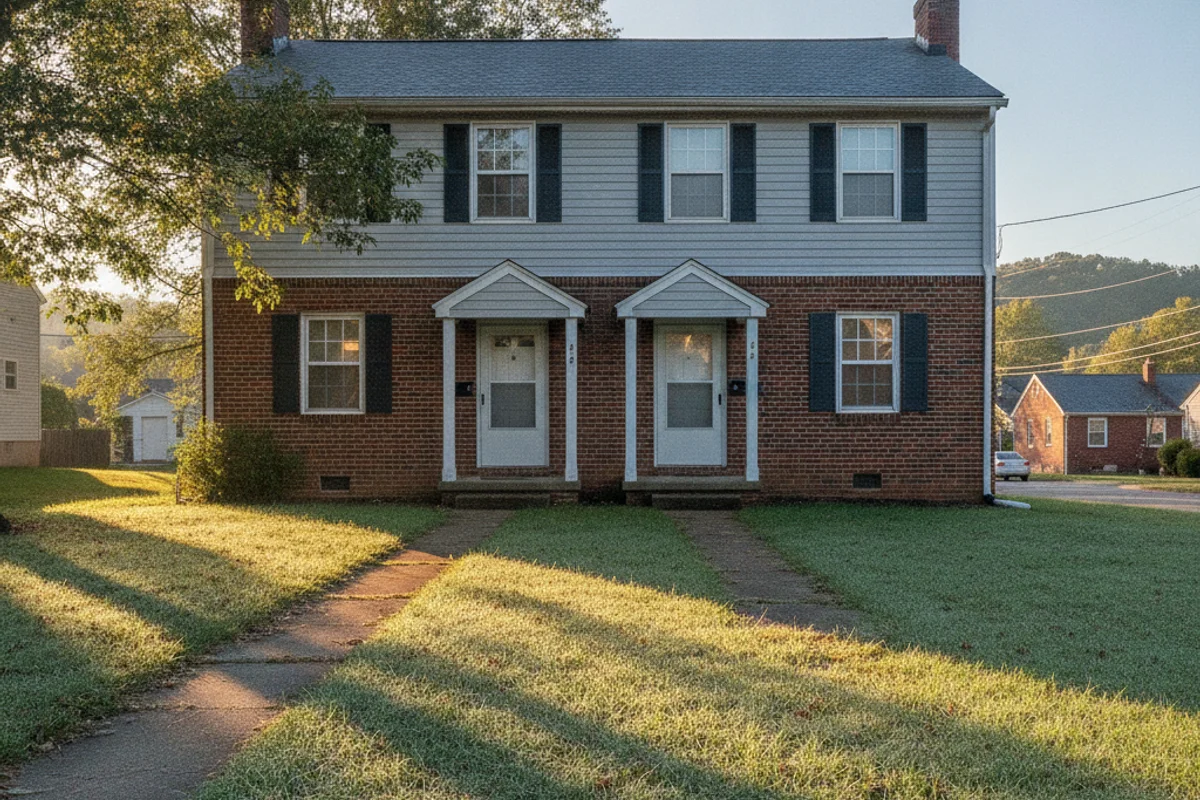
You bought the house years ago with good intentions. Maybe life got in the way. Maybe the repairs piled up faster than the budget could handle. Now you’re looking at a property with open code violations and wondering if you can even sell it. The answer is yes, and if you want to sell your house with code violations in Cincinnati, you have more options than you might think. Cash buyers purchase homes exactly like yours every single day, no repairs required, no fees, no drama. You don’t have to sink money into a property you’re trying to leave just to make it sellable.
Here’s what you need to know before you make any decisions.
Why Cincinnati Homeowners With Troubled Properties Are Going the Cash Route
Traditional home sales work great when a house is in solid condition. When it’s not, the process gets complicated fast, and it gets expensive even faster.
If your home has open code violations, most buyers using conventional financing will hit a wall almost immediately. Lenders want to see properties that meet minimum habitability standards before they’ll approve a mortgage. That means even a genuinely willing buyer can get rejected by their bank because of your home’s condition, and you end up losing deals through no fault of your own. You could be weeks into a contract only to watch it fall apart at the financing stage.
Then there’s the inspection issue. In a standard Ohio sale, home inspections are strongly recommended for buyers, and they almost always happen. When an inspector surfaces violations related to electrical wiring, outdated plumbing, structural issues, or unpermitted work, buyers either walk away or come back with a long list of demands and repair credits. Fixing those problems before closing can cost tens of thousands of dollars depending on the severity and the age of the home.
Neighborhoods like Price Hill, Madisonville, and Avondale carry a lot of older housing stock. Many of those homes were built decades before modern building codes even existed. When owners in those areas try to sell through traditional channels, they often run into violations they didn’t even know were there, surfaced for the first time during a buyer’s inspection. That’s a stressful position to be in mid-transaction.
Cash buyers change the equation entirely. They don’t need lender approval. They don’t require repairs before closing. They make an offer based on the home’s current condition and they close quickly. For homeowners dealing with code issues, it’s genuinely the path of least resistance and often the most financially sensible one when you factor in all the hidden costs of a traditional sale.
If you’re also carrying a mortgage on top of the violations, it’s worth reading this breakdown of selling a house with a mortgage in Cincinnati, which covers how cash buyers handle that situation too and what happens to your loan balance at closing.

Get Your Free Cash Offer Today
No fees. No repairs. Close in as little as 7 days.
Related Video
The 3-Step Process: Selling for Cash in Cincinnati
People often assume selling a house fast in Cincinnati means giving the property away at a fraction of its value. It doesn’t work like that. Here’s the actual process, broken down simply.
Step one: You request an offer. You share basic details about your property, including the violations or issues you’re aware of. No need to clean the place up, make repairs, or stage anything. Get your cash offer and see what the numbers look like with zero obligation. The whole request takes minutes.
Step two: A walkthrough happens. A buyer or their representative visits the property, usually within a day or two of your request. They’re not there to judge the condition or pressure you. They’re there to understand the scope of work so they can give you an accurate and fair offer. This is nothing like a traditional showing where you’re scrubbing floors and hiding clutter.
Step three: You pick your closing date. If the offer works for you, you choose when you want to close. That can be as fast as seven to fourteen days, or longer if you need more time to make arrangements. There are no banks involved, no appraisals to schedule, and no chains of buyers waiting on their own sales to close first.
Ohio’s standard disclosure requirements still apply throughout this process. Under Ohio Revised Code Section 5302.30, sellers must complete a residential property disclosure form covering known defects and material conditions. Being upfront about violations protects you legally after the sale closes and is simply the right thing to do. You can also review a plain-language breakdown of Ohio’s seller disclosure requirements from Nolo if you want to understand exactly what’s required and how to fill out the form correctly.
The whole process from first contact to closing check typically runs one to three weeks for cash sales in Ohio. Compare that to the 30 to 45 days a traditional sale takes under ideal conditions, and that’s before accounting for deals that fall apart and force you to start over.
Cincinnati’s Market: What the Numbers Actually Tell You
Cincinnati’s real estate market is stable right now, and that’s genuinely good news for sellers even when their situation is complicated.
The median home price sits at $291,000, and homes are averaging 51 days on the market under normal conditions. Inventory is moderate, meaning buyers are active but they have options. That’s important context: a home with open code violations listed traditionally will sit longer than average, because buyers with financing options will simply choose a cleaner property at a similar price point. You’re competing against homes that don’t have your problems, and that’s a hard position to win from.
About 25% of home sales in Cincinnati are cash transactions. That’s a meaningful portion of the market, and it signals that cash buyers are consistently active here. You can check current Cincinnati market data on Redfin to see how local trends are moving month by month and what’s happening with pricing in specific neighborhoods.
Seasonality matters in Cincinnati more than people realize. Winters here are rough, and older homes in neighborhoods like Westwood or Camp Washington can develop new issues between November and March. Frozen pipes, roof damage from ice loads, and foundation cracks from freeze-thaw cycles are all common occurrences. If your home already has code violations and then takes on weather-related damage during a cold season, the repair list grows and the cost of eventual remediation climbs. Selling before another winter cycle hits is a practical strategy, not just an emotional one.
Cincinnati also has a growing population of investors and renovation-focused buyers drawn by the city’s relatively affordable prices compared to Columbus or Cleveland. That competition among buyers keeps the cash market active and offers reasonably competitive, which works in your favor when you’re requesting offers on a troubled property.
The Hamilton County Auditor’s office maintains property records online, which is useful if you want to check your home’s current assessed value before reaching out to buyers. Knowing your assessed value gives you a baseline for evaluating any offer you receive and helps you understand where you stand before any conversation starts.

Find Out What Your Home Is Worth
Get a no-obligation cash offer in 24 hours.
Cash vs. Agent: The Real Numbers for Cincinnati Sellers With Violations
Let’s talk honestly about what a traditional listing actually costs when your home has problems attached to it.
If you list with a realtor at the median Cincinnati price of $291,000, you’re looking at roughly 5 to 6 percent in commission alone. That’s around $14,500 to $17,500 off the top before you see a dollar. Add in typical closing costs of 2 to 3 percent, any repairs you’re pressured to make to get the home approved for buyer financing, carrying costs during 51-plus days on market (mortgage payments, utilities, insurance, property taxes), and potential price reductions when buyers use your violations as negotiating leverage. The number you actually net at the closing table can be significantly lower than what you saw on the original listing price.
Cash buyers offer less than full market value because they’re assuming all the risk, all the repair costs, and all the uncertainty that comes with a distressed property. But they also eliminate agent commissions, most closing costs, and the months of financial carrying you’d absorb during a traditional sale. For a deeper look at how these two paths compare in real dollar terms specific to this market, this cash offer vs. listing with a realtor comparison for Cincinnati walks through the actual math and helps you figure out which route makes more sense for your specific situation.
When violations are in the picture, the traditional path also carries legal exposure that most sellers don’t think about upfront. If you list the home, disclose the violations as required, and then a buyer’s financing falls through repeatedly because lenders won’t touch the property, you’ve now spent months on the market with a publicly known problem property. Every day it sits, it becomes harder to sell through conventional channels. Cash buyers handle these situations quietly and quickly, without the public track record that makes future sales harder.
Common Questions About Selling a Home With Violations in Cincinnati
What types of violations do cash buyers actually accept?
Pretty much everything falls within scope. Electrical issues like outdated knob-and-tube wiring or overloaded panels, outdated plumbing including galvanized pipes or failed sewer lines, unpermitted additions and converted spaces, fire or water damage at any stage, zoning violations, and structural problems including foundation concerns. Cash buyers who specialize in distressed properties have seen it all and price their offers accordingly. The condition of the property rarely disqualifies a cash sale entirely.
Can the city force me to fix violations before I can sell?
Cincinnati’s Division of Housing Inspections can issue orders requiring repairs on properties deemed seriously dangerous or uninhabitable. If your violations have escalated to an active condemnation notice or an unsafe building order, you’ll want to contact the city directly and very likely consult a real estate attorney before proceeding. Most violations, though, don’t reach that level of severity and don’t block a cash sale from moving forward.
What if I owe back taxes or have liens on the property?
Cash buyers deal with liens and back taxes on a regular basis. In most cases, those outstanding balances get paid out of the sale proceeds at closing rather than out of your pocket beforehand. It’s worth being completely upfront about what’s attached to the property when you request an offer so the numbers reflect your actual situation accurately.
Does selling as-is put me at a disadvantage when negotiating?
Not when you’re working with a reputable buyer who prices properties fairly. A legitimate cash offer accounts for what the home is worth in its current condition minus the estimated cost to bring it up to standard. You won’t receive retail value, and you shouldn’t expect to. But you also won’t spend money you don’t have fixing a home you’re trying to leave behind, and you won’t spend months wondering if your deal is going to survive.
Your Next Step
If you’ve been sitting on a property with code violations and wondering what your realistic options actually are, now you have a clear picture. You don’t have to fix anything, list publicly, wait months for an outcome that might not happen, or spend money you don’t have on repairs just to make a sale possible.
Cincinnati cash home buyers are ready to look at your property in whatever condition it’s in right now. The process is straightforward, the timeline is fast, and you don’t owe anyone a commission at the end of it. There are no surprises waiting for you at closing.
Ohio homeowners across the state are using this path to move on from difficult properties and complicated situations. We work with sellers throughout the Cincinnati area and also serve nearby cities including Dayton, Ohio and Columbus, Ohio. To see how cash sales work across the entire state, visit our sell house in Ohio page for the full picture.
Whether you’re dealing with violations from years of deferred maintenance, an inherited property that’s been sitting, or a renovation that went sideways and never got permitted, there’s a realistic way forward. The first step is simply finding out what your home is actually worth in its current state. Get your cash offer and you’ll have that answer within 24 hours, with no commitment and no pressure required.
NestCash works with Cincinnati homeowners dealing with divorce, foreclosure, inherited properties, and homes that need to sell as-is every single day.

Ready to Sell? Let's Talk.
Get your cash offer now. No obligation, no hassle.

Jackie is the COO and a Correspondent at NestCash, combining leadership with real estate reporting and market insight. She covers key trends across 12 states, helping ensure NestCash delivers clear, reliable guidance nationwide.