Sell Rental Property With Tenants In Phoenix: Zero Fees, Fair Offers
Sell your rental property with tenants in Phoenix fast. Cash buyers close in 7-14 days with no repairs, no commissions, and existing leases intact. Get your offer now.

Head of Marketing, NestCash··13 min read
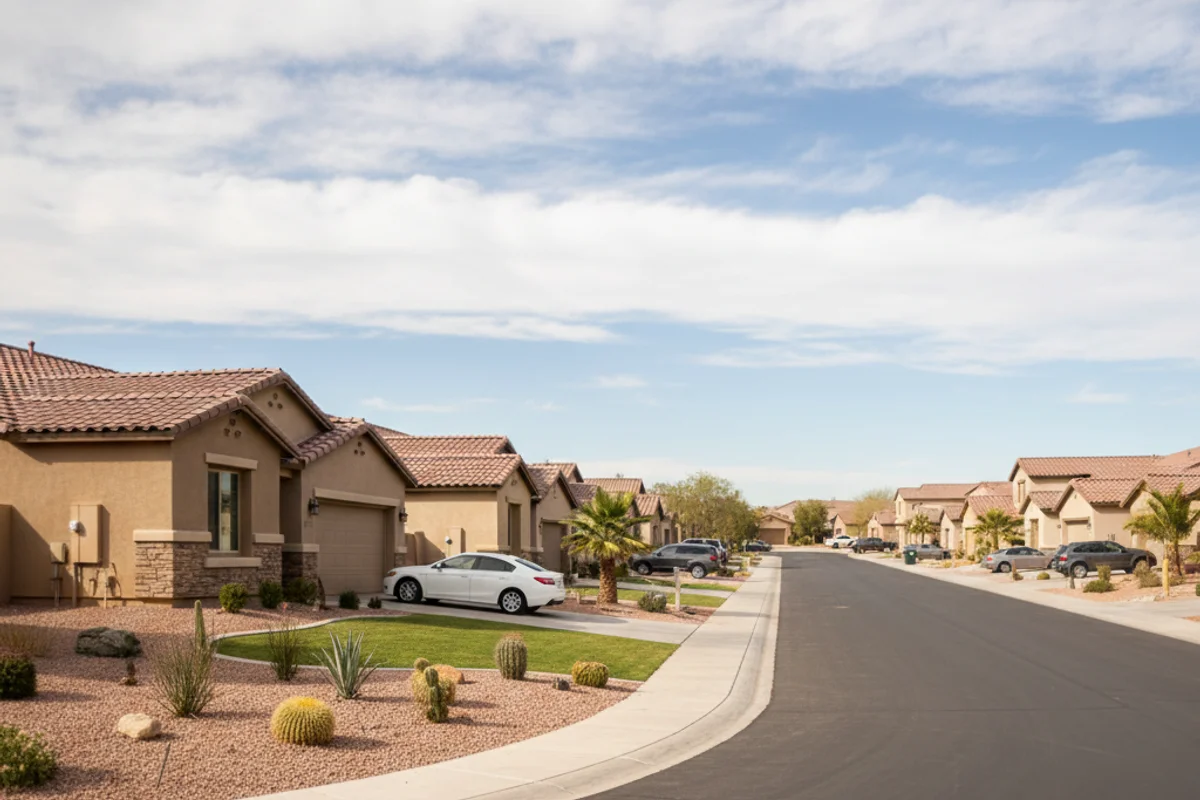
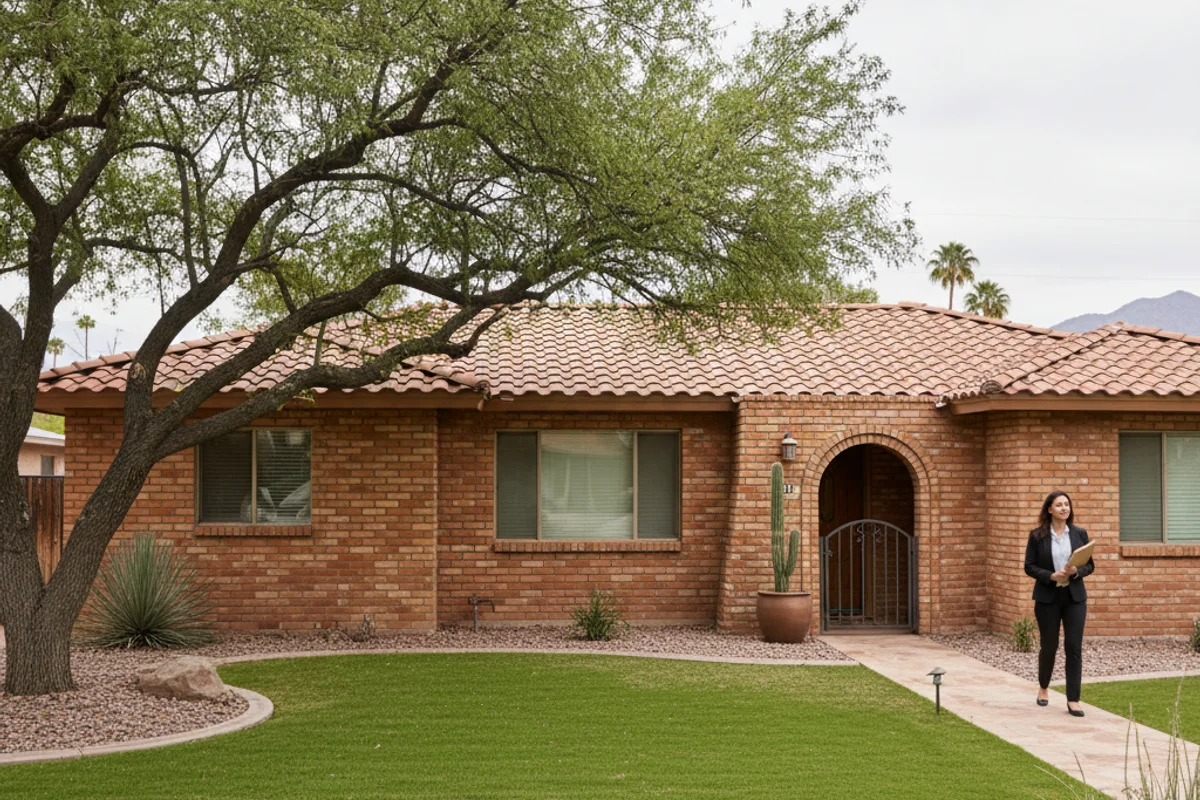
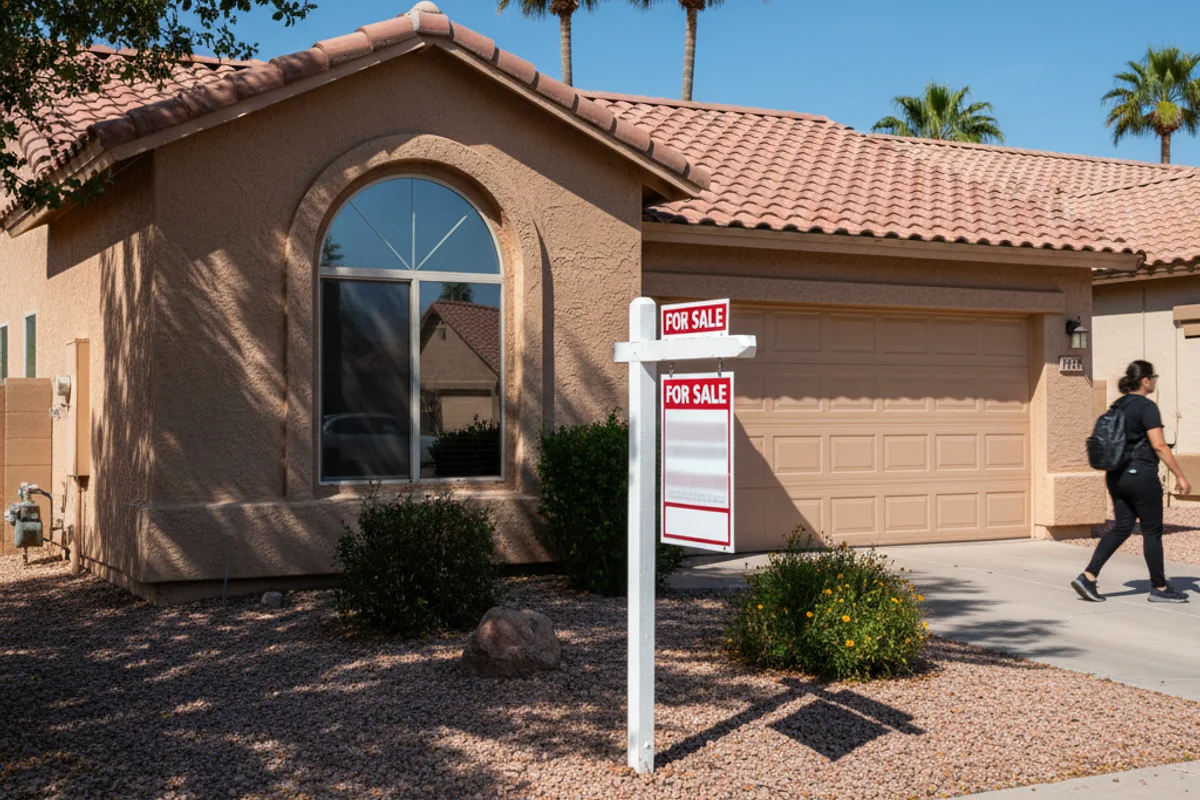
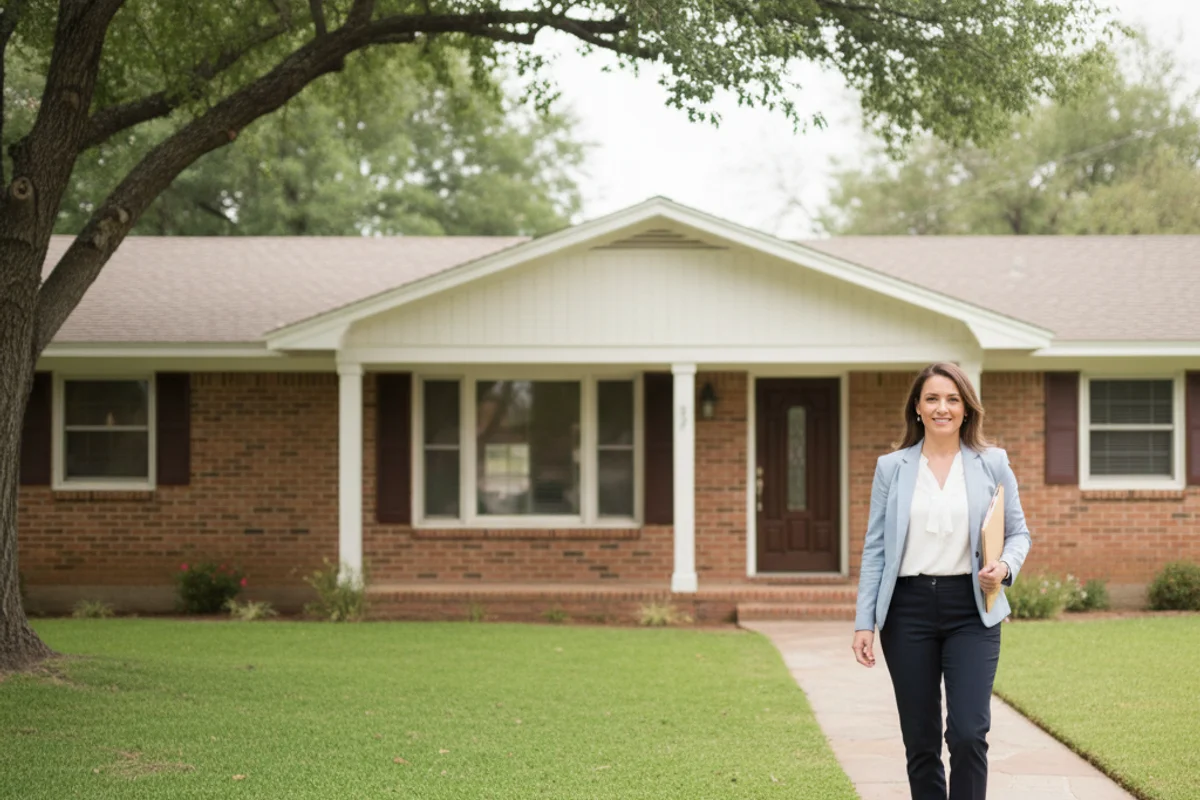
You bought that rental property thinking it would generate passive income. Then reality hit. Late-night calls about broken air conditioning during Phoenix summers. Vacancy periods eating into your cash flow. Property management fees that never seem to stop. If you need to sell your rental property with tenants in Phoenix, you’re not alone, and there’s a faster exit than you think.
Phoenix landlords are discovering that selling occupied rental properties to cash home buyers in Arizona eliminates the headaches of traditional listings while preserving tenant relationships. Here’s everything you need to know about making a clean exit from your investment property.
Why Phoenix Landlords Are Selling Rental Properties in 2026
The math that made sense three years ago doesn’t always hold up today. Phoenix has seen median home prices stabilize around $425,000, but the cost of being a landlord keeps climbing. Property insurance premiums have jumped 20-30% across Maricopa County. Routine HVAC replacements now run $6,000-8,000. Water heater failures, roof repairs, and desert landscaping maintenance add up fast.
Here’s the thing: many Phoenix landlords purchased properties in neighborhoods like Maryvale, South Phoenix, or parts of Glendale when cap rates looked attractive. Now they’re facing properties that need significant capital improvements while tenants struggle with rent increases.
Vacancy rates tell another story. When a tenant leaves, you’re looking at 30-60 days to turn the unit in Phoenix’s competitive rental market. That’s two months of mortgage payments, utilities, and zero income. Add property management fees (typically 8-10% of monthly rent), and your cash flow disappears quickly.
Some landlords bought properties expecting appreciation. While Phoenix real estate remains stable, the carrying costs have eroded projected returns. Others inherited rental properties and never wanted to be landlords in the first place. Out-of-state owners face the biggest challenges, managing Phoenix properties from California or other states without local boots on the ground.
The Arizona Residential Landlord and Tenant Act creates obligations many landlords underestimated. Habitability requirements in 110-degree summers mean functioning AC isn’t optional. It’s legally mandated. One breakdown during July can trigger health and safety violations.
Tax implications compound the decision. You’ve been claiming depreciation for years, which means depreciation recapture when you sell. The longer you hold the property, the bigger that tax bill grows. Many landlords reach a point where selling makes more financial sense than continuing to manage the headaches.
Get Your Free Cash Offer Today
No fees. No repairs. Close in as little as 7 days.
Related Video
Can You Sell a Phoenix Rental Property with Tenants Still Living There?
Yes. You can absolutely sell a rental property with tenants still living there in Phoenix. In fact, occupied rental properties attract a specific type of buyer: investors who want immediate cash flow without vacancy periods.
The existing lease transfers to the new owner under Arizona law. Your tenants don’t lose their rights just because the property changes hands. If they have six months remaining on their lease, the new owner must honor those terms. This protection actually makes occupied rentals more attractive to Phoenix cash home buyers who specialize in investment properties.
You have two main options when you sell a rental property in Arizona with tenants. First, you can sell with tenants in place. The new owner becomes their landlord, assumes the lease terms, and collects rent going forward. This approach works best when tenants are reliable, pay on time, and maintain the property reasonably well.
Second, you can wait for the lease to end and sell vacant. This makes sense if the lease expires soon or if you have problem tenants you’d rather not transfer to a buyer. However, waiting means continued carrying costs and management responsibilities.
Most cash buyers actually prefer occupied rentals. They’re purchasing for rental income, not as primary residences. A tenant paying $1,500 monthly represents immediate return on investment. Vacant properties require finding tenants, which takes time and money.
Here’s what you need to know about showing the property. Arizona doesn’t require you to notify tenants before listing, but ARS 33-1343 requires reasonable notice before entry. Most landlords provide 24-48 hours notice for showings. Your tenants must allow reasonable access, but you can’t disrupt their quiet enjoyment of the property.
Problem tenants complicate matters. If you’re dealing with non-payment, lease violations, or properties in poor condition because of tenant damage, traditional buyers will walk away. Cash buyers who sell houses fast in Phoenix see these situations regularly and factor tenant issues into their offers.
Section 8 tenants add another layer. Housing Choice Voucher holders have federal protections. The voucher and lease transfer to the new owner if they accept Section 8 tenants. Many institutional investors and cash buyers welcome Section 8 because the housing authority guarantees a portion of the rent.
Arizona Tenant Rights When a Landlord Sells the Property
Arizona law protects tenants during property sales more than many landlords realize. Understanding these rights prevents legal issues and helps you structure a smooth transaction.
The existing lease survives the sale. If your tenant signed a one-year lease and you sell six months in, the new owner must honor the remaining six months. Month-to-month tenancies also transfer, though either party can terminate with proper notice (typically 30 days in Arizona).
Security deposits transfer with the property. You must either return the deposit to tenants or transfer it to the new owner. The Arizona Residential Landlord and Tenant Act requires written notification to tenants about where their deposit is held. When you sell, you need to account for every deposit and document the transfer.
Tenants don’t have first right of refusal in Arizona unless your lease specifically grants it. Some landlords include clauses giving tenants the option to purchase before selling to third parties. Review your lease carefully. If this clause exists and you ignore it, the tenant could sue for breach of contract.
Notice requirements vary by situation. If you’re selling with the lease intact, you don’t need to give notice that you’re selling. You only need to provide reasonable notice for showings and inspections. However, if you plan to terminate the tenancy, Arizona’s standard notice periods apply.
For month-to-month tenants, you must provide at least 30 days written notice to terminate without cause. For tenants with active leases, you generally can’t terminate early unless they’ve violated lease terms. Trying to force out good tenants to sell vacant often backfires, potentially violating fair housing laws if done improperly.
Retaliation protections exist in Arizona. If a tenant recently complained about habitability issues or contacted code enforcement, you cannot terminate their tenancy or refuse to renew as punishment. Courts view sales immediately following tenant complaints with suspicion. Document your legitimate business reasons for selling.
Access for showings must be reasonable. You can’t demand to show the property daily or give one-hour notice. Most successful landlords negotiate showing schedules with tenants, sometimes offering small rent concessions ($100-200) for cooperation during the sales process. Cooperative tenants make sales move faster.
When working with cash buyers, tenant rights often become simpler to manage. Investors buying occupied properties understand the legal framework and work within it. They’re not trying to move in next month, so they don’t pressure you to remove tenants.
Find Out What Your Home Is Worth
Get a no-obligation cash offer in 24 hours.
The True Cost of Being a Landlord in Phoenix
Let’s break down the actual numbers. Most Phoenix landlords drastically underestimate their total costs when calculating returns on rental properties.
Mortgage, taxes, and insurance form your baseline. On a $425,000 Phoenix property with 20% down, you’re looking at roughly $2,300 monthly for principal, interest, property taxes, and insurance. That insurance piece has jumped significantly. Desert-area properties now face higher premiums due to heat-related claims and regional risk factors.
Property management fees run 8-10% of collected rent in Phoenix. On a property renting for $2,000 monthly, that’s $200 gone immediately. Some landlords skip property managers to save money, but then they’re trading dollars for their time and sanity.
Maintenance reserves should be 1-1.5% of property value annually. For that $425,000 property, you should reserve $4,250-6,375 yearly for repairs and maintenance. That’s $350-530 monthly. Phoenix’s extreme heat accelerates wear on HVAC systems, roof materials, and exterior paint. Air conditioning units rarely last beyond 12-15 years in the desert climate, and replacement costs $6,000-8,000.
Vacancy costs kill cash flow. Even excellent landlords in desirable Phoenix neighborhoods like Arcadia or Central Phoenix face 30-45 days between tenants. That’s 8-12% of annual rent lost to vacancy, plus turnover costs for cleaning, minor repairs, and re-listing fees.
Capital expenditures hit hard and often. Beyond routine maintenance, you face major systems replacements. Roofs last 15-20 years in Phoenix sun exposure. Water heaters fail every 8-10 years. Plumbing issues common in older Phoenix homes (many built 1960s-1980s) require professional repairs running $500-2,000 per incident.
HOA fees apply to many Phoenix rental properties, particularly in planned communities throughout Maricopa County. These range from $50-300 monthly and increase regularly. Some HOAs restrict rentals or require landlord registration, adding compliance costs.
Property taxes have risen as Phoenix values increased. The median property tax bill in Maricopa County runs about $1,900 annually, but varies significantly by location and assessed value. These taxes increase with property values, eating into your margins.
Utilities between tenants cost more than expected. Even with tenants responsible for utilities, you pay for water, electric, and gas during vacancy periods. Summer electric bills for vacant Phoenix properties running AC to prevent heat damage can hit $200-300 monthly.
Legal and administrative costs add up. Evictions in Arizona cost $1,000-2,500 in legal fees plus lost rent. Annual inspections, lease preparation, tenant screening services, and business licenses all carry costs. Out-of-state landlords often pay travel expenses for property visits.
Let’s calculate a realistic scenario for a Phoenix rental property in South Phoenix renting for $1,800 monthly:
- Gross annual rent: $21,600
- Vacancy loss (8%): -$1,728
- Property management (9%): -$1,944
- Maintenance reserve (1.2%): -$5,100
- Property tax: -$1,900
- Insurance: -$1,400
- HOA fees: -$900
- Mortgage (estimated): -$27,600
- Net annual cash flow: -$18,972
This property loses nearly $19,000 annually before accounting for capital expenditures, repairs, or tax benefits. The only way it makes financial sense is through appreciation and tax deductions. When appreciation stalls, the investment becomes a money pit.
Cash Buyers vs. Traditional Sale for Phoenix Rental Properties
Zero commissions with direct cash buyers. When you work with cash home buyers in Phoenix investors, there’s no agent commission structure. The offer you receive is what you net, minus any existing liens, back taxes, or mortgage payoff on the property.
Certainty matters. Traditional sales fall through regularly. Buyers lose financing, get cold feet, or find issues during inspection. Cash buyers typically close at a rate above 95% once they make offers. If you need to sell a house in Arizona rental properties with confidence, cash sales provide that certainty.
For landlords facing difficult tenant situations, properties needing major repairs, or inherited rentals in areas like Casa Grande, Glendale, or Maricopa, cash buyers offer the cleanest exit. You avoid the stress of managing the property through a lengthy sales process while maintaining your sanity.
How to Sell Your Phoenix Investment Property Fast
Start by calculating your bottom line. Determine your absolute minimum acceptable net proceeds. Factor in your remaining mortgage balance, closing costs, and any tax implications. Knowing your number prevents emotional decision-making and helps evaluate offers objectively.
Gather property documentation. You’ll need the current lease, tenant payment history, records of maintenance and repairs, property tax statements, and HOA documents if applicable. Arizona requires the Seller’s Property Disclosure Statement (SPDS) detailing property condition and any known material defects. Complete this accurately to avoid future liability.
Assess your tenant situation honestly. Are they paying on time? Is the property maintained reasonably? Do you have lease violations or ongoing disputes? Buyers want this information upfront. Hiding problems only delays the inevitable and can kill deals during due diligence.
For tenants paying reliably, document the positive rental history. Show 12 months of on-time payments, copies of current leases, and evidence of property care. This documentation increases your property’s value to investors.
For problem tenants, be transparent. Cash buyers handle difficult situations regularly. Explain the issues, provide documentation of notices sent, and share your perspective. Some buyers specialize in properties with tenant challenges and adjust offers accordingly.
Consider the 1031 exchange alternative if tax deferral matters. If you’re selling one rental to buy another, 1031 exchanges allow you to defer capital gains taxes by reinvesting proceeds into replacement property within specific timeframes. This requires working with a qualified intermediary and following strict IRS rules, but can save substantial tax dollars.
Price aggressively if pursuing traditional sale. Occupied rental properties have limited buyer pools. Price below comparable vacant homes to attract investors. Overpricing guarantees extended market time and multiple price reductions that signal desperation.
Alternatively, contact multiple cash buyers. Get 2-3 offers to compare. Legitimate cash buyers provide written offers within 24-48 hours after viewing the property. They should explain their offer calculation, timeline, and process transparently.
When evaluating cash offers, look beyond the price. Consider the timeline, earnest money deposit (shows commitment), proof of funds, and company reputation. A slightly lower offer from a buyer who closes reliably beats a higher offer that falls through.
Request references from cash buyers. Ask about their experience buying occupied rentals, average closing timeline, and whether they’ve walked away from deals after going under contract. Companies buying Phoenix rentals regularly should have established track records.
Negotiate terms that matter to you. Some sellers need 30-day close to coordinate moving. Others want seven-day close to stop bleeding money on carrying costs. Cash buyers can often accommodate your timeline because they’re not constrained by mortgage approval processes.
Understand closing costs. Arizona sellers typically pay title insurance for the owner’s policy, escrow fees (split with buyer), HOA document fees, and property taxes prorated to closing date. Recording fees and title search costs are usually buyer expenses. Your closing costs should be 1-1.5% of sale price, not counting commissions if using agents.
Plan for tax season. Selling rental property triggers capital gains tax on profit plus depreciation recapture. Set aside 25-35% of your net proceeds for taxes unless you’re completing a 1031 exchange. Consult a CPA familiar with Arizona rental property sales before closing.
Notify your tenants appropriately. While Arizona doesn’t require advance notice that you’re selling, professional courtesy suggests informing tenants once you accept an offer. Explain what happens next, reassure them about lease protection, and introduce them to the new owner when appropriate. Cooperative tenants make transitions smoother and protect your reputation.
If you need to get your cash offer today, the fastest path involves contacting investors directly, providing honest property information, allowing a quick walkthrough, and reviewing written offers within 48 hours. The entire process from initial contact to closing can happen in 7-14 days when you’re working with experienced cash buyers who understand Phoenix’s rental market.
Whether you’re burned out on property management, facing unexpected expenses, relocating from Phoenix, or dealing with difficult tenant situations, selling to cash buyers provides an exit strategy that prioritizes speed and certainty over maximum sale price. For landlords who’ve run the numbers and decided rental property ownership no longer makes financial sense, cash sales offer a dignified exit without the months of stress traditional sales require.
The Phoenix market sees roughly 28% of transactions close as cash sales. Many of these are rental properties changing hands between investors who understand the business side of real estate. You’re not alone in deciding to sell, and there’s no shame in exiting an investment that no longer serves your financial goals.
The difference between landlords who successfully exit their rental properties and those who struggle for months often comes down to realistic expectations and choosing the right buyer for their situation. Know your priorities, understand your options, and select the path that minimizes stress while meeting your financial requirements.
For more details, see our guide on selling your house in Phoenix.
NestCash works with Phoenix homeowners dealing with divorce, foreclosure, inherited properties, and homes that need to sell as-is every single day.
Ready to Sell? Let's Talk.
Get your cash offer now. No obligation, no hassle.

Jackson is the Head of Marketing at NestCash, where he leads growth strategy and real estate education. He focuses on housing trends across 12 states, translating complex market shifts into clear, actionable guidance.