Avoid Foreclosure In Phoenix: Get Cash Fast Today
Facing foreclosure in Phoenix? You have options. Learn how selling for cash can stop the process in 7-14 days and protect your credit score.

Senior Contributor, NestCash··11 min read
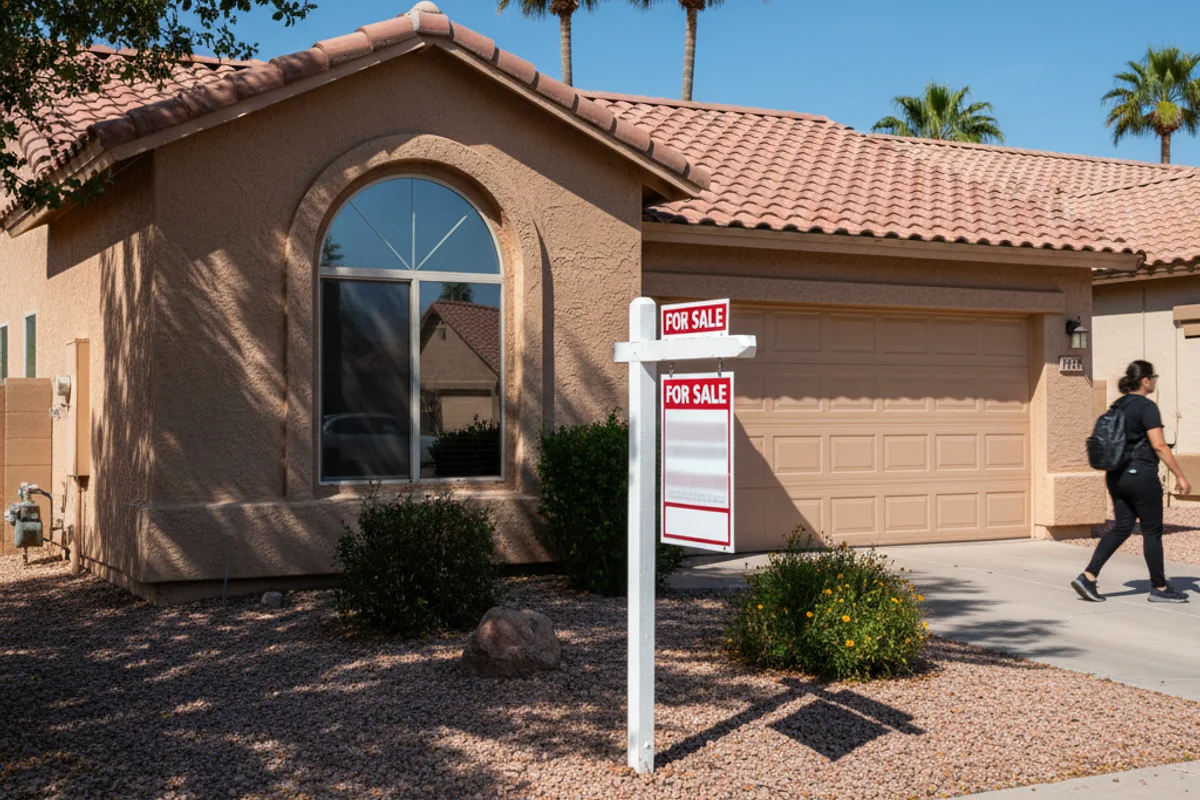
Arizona’s non-judicial foreclosure process moves fast. From your first missed payment to auction day, you typically have just 90-120 days. But here’s what matters right now: if you act within the next 30 days, you can avoid foreclosure in Phoenix entirely by selling for cash and walking away with your credit intact.
Missing mortgage payments doesn’t make you a failure. Medical bills, job loss, divorce, these situations happen to responsible homeowners every day. The Phoenix metro area saw significant economic shifts over the past few years, and you’re not alone in this struggle.
The good news is you have more control than you think. While traditional home sales in Phoenix take an average of 51 days, Phoenix cash home buyers can close in as little as 7-14 days. That speed makes all the difference when foreclosure notices are arriving in your mailbox. It’s how homeowners stop foreclosure in Phoenix and sell the house before the trustee’s sale, walking away with cash and their credit intact.
The Arizona Foreclosure Timeline: Day by Day
Understanding exactly where you stand in the foreclosure process helps you make informed decisions. Arizona uses a non-judicial foreclosure process, which means your lender doesn’t need to go through court to foreclose on your property. This makes the timeline faster than states with judicial foreclosure.
Here’s the step-by-step breakdown:
Days 1-30: You miss your first mortgage payment. Your lender will contact you with phone calls and letters requesting payment.
Days 30-90: After three missed payments, your loan enters default status. The lender files a Notice of Trustee’s Sale with the county recorder’s office.
Days 90-120: Arizona law requires at least 90 days between the Notice of Trustee’s Sale filing and the actual auction date. This notice must be published in a newspaper for four consecutive weeks.
Day 120+: Your home is sold at public auction on the courthouse steps. You must vacate the property.
The entire process typically takes 90-120 days from that first missed payment. But every day counts. The earlier you take action to sell your house fast in Phoenix, the more options you preserve.
Arizona Revised Statute ARS 33-807 governs the foreclosure sale process. Unlike some states, Arizona doesn’t offer a statutory right of redemption after the foreclosure sale for standard mortgages. Once the auction happens, your ownership ends immediately.
This makes acting quickly even more critical. You can’t buy back your home after it’s sold at auction in most cases.
For a complete guide, read our resource on avoiding foreclosure in Phoenix.

Get Your Free Cash Offer Today
No fees. No repairs. Close in as little as 7 days.
Related Video
Your Rights as a Phoenix Homeowner Facing Foreclosure
You have protections under both Arizona law and federal regulations. Knowing these rights helps you avoid scams and make better decisions during this stressful time.
You have the right to accurate information. Under the Real Estate Settlement Procedures Act (RESPA), your lender must respond to qualified written requests about your loan within specific timeframes. If you’re confused about your balance or fees, you can demand clarification.
You have the right to apply for loss mitigation. The Consumer Financial Protection Bureau requires lenders to evaluate you for foreclosure alternatives before proceeding. This includes loan modifications, forbearance plans, and repayment arrangements.
You have the right to accurate notices. Arizona law requires specific notices at specific times. If your lender violates these requirements, you may have grounds to challenge the foreclosure. Always consult with an Arizona attorney if you suspect procedural errors.
You have the right to sell. Perhaps most importantly, you can sell your house in Arizona any time before the auction. Your lender can’t stop you from selling, even after filing the Notice of Trustee’s Sale. The foreclosure stops the moment the sale closes and the mortgage is paid off.
Free HUD-approved housing counseling is available throughout the Phoenix area. These counselors can help you understand your options and negotiate with your lender. They’re legitimate resources, unlike the “foreclosure rescue” scams that prey on desperate homeowners.
Be wary of anyone who asks you to sign over your deed, pay upfront fees, or stop communicating with your lender. Legitimate cash home buyers in Phoenix never charge fees to make an offer.
How Selling for Cash Stops the Arizona Foreclosure Process
Traditional home sales take time you don’t have. Listing with an agent means waiting for buyers, negotiating repairs, dealing with financing contingencies, and hoping nothing falls through. With Phoenix’s median home price at $460,000 and homes taking 51 days on market, the traditional route often doesn’t fit a foreclosure timeline.
Cash sales work differently. When you get your cash offer from a legitimate buyer, there’s no waiting for mortgage approval, no appraisal contingencies, and no deal-killing inspection issues.
Here’s how the process protects you from foreclosure:
Day 1-2: You contact a cash buyer and provide basic information about your Phoenix home and your situation. Legitimate buyers can provide a no-obligation offer within 24 hours.
Day 3-7: You review the offer and ask questions. If you accept, the buyer opens escrow immediately. They handle all paperwork, including Arizona’s Seller’s Property Disclosure Statement requirements.
Day 8-14: The title company performs a title search, confirms your mortgage balance, and prepares closing documents. You sign the papers, the buyer wires the funds, and your mortgage gets paid off.
The foreclosure stops the moment your lender receives payment. The Notice of Trustee’s Sale becomes void. The auction never happens. Your credit report shows the mortgage was paid through a regular sale, not a foreclosure.
This matters enormously for your financial future. Cash home buyers in Arizona work with homeowners in Ahwatukee, Arcadia, and Maryvale every week, helping them exit difficult situations with dignity.
Even if you’re underwater on your mortgage, you have options. Some buyers can negotiate a short sale with your lender, where the bank accepts less than the full balance. While this does impact your credit, the damage is significantly less than foreclosure.

Find Out What Your Home Is Worth
Get a no-obligation cash offer in 24 hours.
What Foreclosure Does to Your Credit Score
Let’s talk numbers. Foreclosure typically drops your credit score by 100-150 points. If you start with a 680 score, you could end up around 530-580. That’s subprime territory, where getting approved for anything becomes difficult and expensive.
The foreclosure stays on your credit report for seven years. During that time, you’ll face higher interest rates on car loans, credit cards, and future mortgages. Many landlords run credit checks and deny applications from anyone with a foreclosure. Some employers check credit reports, potentially affecting job opportunities.
You typically can’t qualify for another mortgage for at least three years after foreclosure, sometimes seven years depending on the loan type. FHA loans have shorter waiting periods, but you’ll still face higher down payment requirements and interest rates.
The total financial impact extends beyond the credit score. Property management companies often require larger security deposits from applicants with foreclosures. Insurance companies may charge higher premiums. The ripple effects touch nearly every aspect of your financial life.
Selling before foreclosure protects you from this damage. Your credit report shows a normal property sale and a satisfied mortgage. While you might take a small hit if you were late on payments before selling, it’s minimal compared to foreclosure’s impact.
The difference between a 580 credit score and a 650 credit score could mean thousands of dollars in additional interest over the life of your next car loan. On a future mortgage, the difference could be tens of thousands. Quick home sale options in Arizona preserve this value.
Neighborhoods like Desert Ridge and South Mountain see foreclosures every month. The homeowners who act early and sell before auction consistently fare better financially than those who wait until it’s too late.
Phoenix Foreclosure Alternatives You May Not Know About
Selling for cash is often the best option, but understanding all alternatives helps you make informed decisions. Here are options your lender may not have clearly explained.
Loan modification changes your mortgage terms permanently. Your lender might reduce your interest rate, extend your loan term, or add missed payments to your principal balance. This can lower your monthly payment and help you keep the home. However, qualifying is difficult, and the process often takes months you might not have.
Forbearance agreement temporarily suspends or reduces your payments while you get back on your feet. This works well for short-term financial setbacks. But remember, you eventually need to repay those missed payments, usually as a lump sum or through increased future payments.
Repayment plan spreads your missed payments over several months. If you missed three payments totaling $6,000, your lender might let you pay an extra $500 monthly for 12 months while maintaining current payments. This only works if you can genuinely afford the increased amount.
Deed in lieu of foreclosure means you voluntarily transfer your property to the lender. This avoids foreclosure on your record, but you still lose your home and take a significant credit hit. It’s better than foreclosure but worse than selling.
Short sale involves selling your home for less than you owe with your lender’s approval. This takes longer than a cash sale because your lender must approve the purchase price. Short sales still damage your credit, though less than foreclosure.
HUD-approved counselors throughout Phoenix can help you explore these options. However, most alternatives still require you to make payments you’ve already proven you can’t afford. They also take time to arrange while the foreclosure clock keeps ticking.
For homeowners in areas like Laveen, Deer Valley, or Paradise Valley, selling to legitimate cash buyers often provides the cleanest exit. You avoid the credit damage, stop the foreclosure, and move forward without the stress of negotiating with your lender.
We also serve homeowners in nearby Casa Grande, Glendale, Maricopa, and Mesa who need fast foreclosure solutions.
How to Sell Your Phoenix Home Before the Auction Date
Time is your most valuable resource right now. Here’s your action plan for selling quickly and stopping foreclosure.
Week 1: Assess your situation. Calculate exactly how much you owe on your mortgage, including any late fees or penalties. Check your most recent notice to confirm your auction date. Contact a legitimate cash home buyer for a no-obligation offer. Get multiple offers if time allows, but don’t wait too long. Research shows that 17% of Phoenix home sales are cash transactions, so legitimate buyers are active in the market.
Week 2: Review and accept an offer. Legitimate buyers will explain exactly how much you’ll receive at closing. They should deduct your mortgage payoff, any liens, and standard closing costs. Be suspicious of anyone promising unrealistic amounts or asking for upfront fees. Accept the offer that works for your timeline and financial needs. The buyer will open escrow with a title company.
Week 3: Complete paperwork. Arizona requires sellers to complete the Affidavit of Disclosure, even in foreclosure situations. Cash buyers typically help you fill this out. The title company will search for any liens or judgments against your property. They’ll prepare your closing documents. You don’t need to make repairs, clean out the house completely, or handle showings. Most cash buyers purchase the property as-is.
Week 4: Close and move forward. You’ll sign the closing documents at the title company or notary. The buyer wires funds to escrow. The title company pays off your mortgage directly. You receive any remaining proceeds, if applicable. The foreclosure stops immediately. You’re free to move forward with your life.
Phoenix’s desert climate means homes here often need HVAC repairs or have hard water damage. Traditional buyers demand repairs for these issues. Cash buyers don’t. They purchase properties in any condition, which is exactly what you need when facing foreclosure.
Even if your South Phoenix property needs a new roof or your North Phoenix home has foundation issues, cash buyers will make offers. They factor repair costs into their offer price, but they don’t require you to fix anything before selling.
If you’re currently in neighborhoods like Encanto, Central City, or Alhambra, these areas have active cash buyer markets. Properties in any condition sell quickly when priced fairly.
For those dealing with inherited properties or vacant homes, the cash home buyers in Phoenix can handle those situations too. Many homeowners facing foreclosure have already moved out, and cash buyers don’t require you to be present for showings or maintain the property during the sale process.
The key is starting immediately. Once you’ve received the Notice of Trustee’s Sale, your timeline is fixed. Arizona law doesn’t provide extensions or last-minute reprieves. Contact cash home buyers today, compare offers tomorrow, and start the paperwork this week.
Your situation is difficult, but it’s not permanent. Thousands of Phoenix homeowners have successfully avoided foreclosure by selling for cash. You have options, you have time if you act now, and you can move forward from this challenge with your financial future intact. The foreclosure process is stressful, but taking action today stops it before it permanently damages your credit and financial opportunities.
Whether you’re in Sunnyslope, Camelback East, or any Phoenix neighborhood, legitimate buyers are ready to make fair offers and close quickly. Don’t wait until the auction date is days away. Start the process now, and you’ll be surprised how quickly you can resolve this situation and move forward.
We also help homeowners in Phoenix dealing with divorce, selling as-is, and inherited property situations.
Ready to Sell? Let's Talk.
Get your cash offer now. No obligation, no hassle.

Lisa is a Senior Contributor at NestCash, writing expert content on real estate, homeownership, and market trends. She covers 12 states, with a focus on making real estate information practical, clear, and useful.