Sell My House As Is In Dallas: Get Cash Fast Today
Texas law requires disclosures even for as-is sales. Learn what you must reveal when you sell your house as is in Dallas and get a fair cash offer today.

Founder, NestCash··14 min read
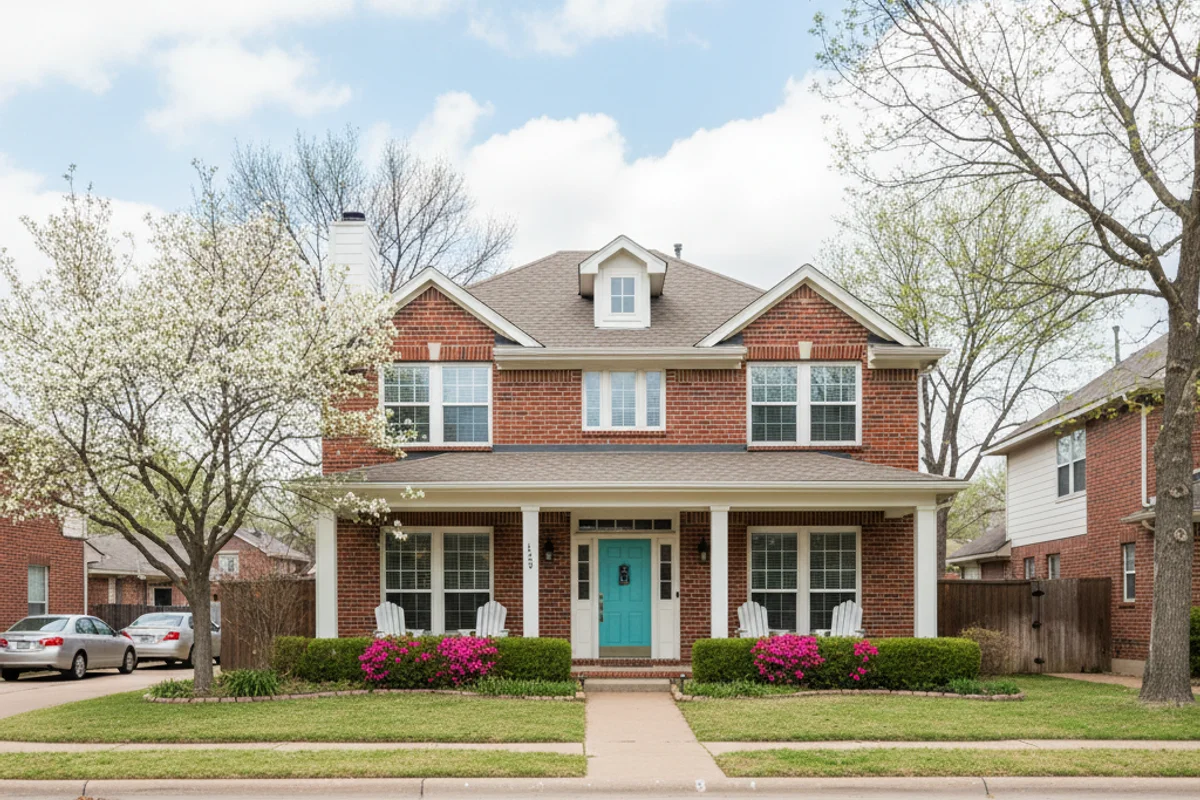
Can you sell a house as is in Texas without disclosing defects? No, and understanding why matters if you need to sell your house as is in Dallas. Texas law requires all sellers to complete a Seller’s Disclosure Notice before closing, even on as-is sales. The good news is that disclosure doesn’t mean you can’t sell with problems. It just means transparency, which actually protects you legally and speeds up the sale.
Let’s get clear on what “as is” actually means in Dallas. You’re selling without making repairs. You’re not selling without honesty. Cash home buyers in Texas work with disclosed issues every day, from foundation cracks common in our clay soil to roof damage from last year’s hailstorms. What stops deals isn’t the condition. It’s surprises.
With Dallas’s median home price at $348,000 and homes sitting an average of 36 days on the market, you might wonder why anyone would skip repairs and updates. Here’s the thing. That 36-day average doesn’t include the weeks or months homeowners spend preparing homes for sale, or the 30-60 additional days traditional sales take to close. When you factor in repair costs, realtor commissions, holding costs, and the risk of deals falling through, selling as is to cash buyers often nets you similar money in a fraction of the time.
Texas As-Is Sale Laws: What Sellers Must Disclose
Texas Property Code Section 5.008 requires sellers to provide buyers with a Seller’s Disclosure Notice before the contract becomes binding. This applies to all residential property sales with few exceptions, and as-is sales aren’t one of them.
The disclosure covers everything you know about the property’s condition. Foundation problems, roof leaks, plumbing issues, electrical problems, past flooding, pest damage, and more. You’re answering questions about specific systems and defects.
Here’s what you must disclose in Dallas:
Structural and Mechanical Systems: Foundation cracks or movement, roof age and condition, HVAC functionality, plumbing leaks, electrical issues, and water heater problems.
Environmental and Safety Issues: Previous flooding, drainage problems, lead-based paint in homes built before 1978, asbestos, mold, radon, and soil stability issues.
Other Material Defects: Anything that significantly affects the property’s value or desirability that isn’t obvious to buyers during a showing.
The key word is “known.” You’re not required to inspect your home to find problems. You’re required to disclose problems you already know about. If your foundation has visible cracks, you know about it. If you’ve had water in your crawl space, you know about it. If your AC hasn’t worked in three years, you definitely know about it.
Cash buyers who help you sell a house in Texas actually prefer detailed disclosures. They’re buying hundreds of homes. They’ve seen it all. Complete disclosure helps them calculate accurate offers and prevents legal issues down the road for both of you.
The disclosure form itself is standardized by the Texas Real Estate Commission. You can download it directly from TREC or your title company will provide it. Most sections require simple yes/no answers with space for explanations.
Get Your Free Cash Offer Today
No fees. No repairs. Close in as little as 7 days.
Related Video
What Happens If You Don’t Disclose Defects in Texas?
Skipping disclosure or lying on the form creates massive problems. Texas law gives buyers the right to sue for fraud, misrepresentation, or breach of contract if you fail to disclose known material defects. These lawsuits can happen months or years after closing.
Penalties include having to pay for repairs you thought you’d avoided, returning some or all of the purchase price, covering the buyer’s legal fees, and potentially paying additional damages if fraud is proven. One foundation issue you didn’t disclose could cost you $50,000 in legal settlements.
The “as is” clause in your contract doesn’t protect you from disclosure violations. When you sell as is, you’re saying you won’t fix problems. You’re not saying problems don’t exist. Courts consistently rule that as-is sales require the same disclosure as traditional sales.
Here’s a real scenario that happens in Dallas. A seller knows their foundation has significant settling issues but doesn’t mention it on the disclosure form. They sell as is to avoid repairs. Six months later, the buyer discovers the foundation needs $40,000 in work. The buyer sues. The seller loses because they knowingly concealed a material defect.
Compare that to proper disclosure. You list the foundation issues honestly. The cash buyer adjusts their offer accordingly. You close in two weeks. Everyone moves on. No lawyers. No lawsuits. No stress.
Dallas cash home buyers build disclosure costs into their offers. When you’re upfront about your property’s condition, they give you a fair price based on reality, you get paid quickly, and the transaction stays clean legally.
One exception exists: if you’ve never lived in the property or genuinely don’t know about a defect, you can’t be held liable for not disclosing it. Inherited homes where you’ve never stayed overnight fall into this category for most defects. But if neighbors tell you the roof leaked for years or inspection reports show foundation issues, you now know and must disclose.
Which Repairs Are Worth Making Before Selling in Dallas?
The math rarely works in favor of major repairs before as-is sales. Let’s look at actual Dallas numbers.
Foundation repair in Dallas costs $8,000 to $35,000 depending on severity. That’s expensive in a city where clay soil naturally causes foundation movement. If you spend $20,000 fixing foundation issues, will your home sell for $20,000 more? Probably not. Traditional buyers will still want their own foundation inspection and might not trust your repairs. Cash buyers will buy either way and adjust their offer by less than your repair cost.
Roof replacement runs $8,000 to $15,000 for typical Dallas homes. Again, traditional buyers will get their own roof inspection. They’ll likely negotiate anyway. Cash buyers will handle the roof themselves after closing.
Major repairs that don’t pencil out before selling as is:
- Foundation work ($8,000 to $35,000 invested, $4,000 to $12,000 return in value)
- New HVAC systems ($6,000 to $12,000 invested, $3,000 to $6,000 return)
- Complete electrical panel replacement ($2,500 to $5,000 invested, minimal return)
- Extensive plumbing repairs ($3,000 to $10,000 invested, minimal return)
- Structural repairs beyond cosmetic ($5,000+ invested, unpredictable return)
What about cosmetic fixes? These are cheap but also pointless for cash sales. Paint, carpet, cabinet hardware, and landscaping help traditional sales because buyers picture living there. Cash buyers are renovating anyway. They’ll rip out anything you install.
The only repairs worth considering are those that prevent further damage while you’re selling. If you have an active roof leak causing water damage, a temporary repair might make sense. If you have a burst pipe flooding your home, obviously fix that. But these are emergency repairs to protect the asset, not value-add improvements.
Dallas’s market of 27% cash sales means you have legitimate quick home sale options in Texas that don’t require any preparation. The holding costs alone often exceed what you’d gain from repairs. Property taxes in Dallas County, insurance, utilities, and mortgage payments while your house sits on the market for months add up quickly.
One more consideration specific to Dallas. Our extreme heat causes AC units to fail at the worst times. If your HVAC dies during a showing in August, traditional buyers walk away. But if you’re selling to cash buyers, they expect AC issues and the sale moves forward regardless of temperature.
Find Out What Your Home Is Worth
Get a no-obligation cash offer in 24 hours.
How Lender Requirements Affect As-Is Sales in Dallas
When traditional buyers need mortgages, their lenders create obstacles for as-is properties. The lender wants to protect their investment. If the home has significant issues, the lender might refuse to finance the purchase until repairs are completed.
FHA loans have the strictest requirements. Properties must meet minimum property standards before FHA will approve the loan. These include functional heating and cooling, safe electrical and plumbing systems, structural soundness, and no peeling paint in homes built before 1978.
If your Dallas home fails FHA standards, one of two things happens. The buyer has to find conventional financing or the deal falls apart. Or you end up making repairs you wanted to avoid just to save the sale. Both scenarios defeat the purpose of selling as is.
Conventional loans are more flexible but still have limits. If the appraiser notes significant defects, the lender might require repairs or refuse the loan. Even minor issues can kill deals. A tripped GFCI outlet, missing handrail, or cracked window might seem small but can stop financing.
This is where selling for cash changes everything. Cash buyers don’t need lender approval. No appraiser needs to sign off on your property’s condition. No underwriter reviews repair estimates. The buyer has funds ready and closes on your timeline.
Let’s say your Oak Cliff home has foundation cracks, an aging roof, outdated electrical, and cosmetic neglect. You list it traditionally. A buyer loves the location and makes an offer. Their lender orders an appraisal. The appraiser notes the foundation issues. The lender refuses to fund the loan until a structural engineer provides a repair plan and repairs are completed. You’re back to square one, but you’ve wasted six weeks.
Same home, cash buyer scenario. You get your cash offer, review the numbers, accept the offer, and close in ten days. No appraisal issues. No lender demands. No delays.
In Dallas neighborhoods like Pleasant Grove, South Dallas, or older sections of East Dallas, many homes wouldn’t qualify for traditional financing without substantial work. These areas have perfectly good housing stock that’s simply older and needs updating. Cash buyers keep these properties moving through the market.
The statistics back this up. In Dallas, 27% of sales are cash transactions. That’s higher than the national average because Texas has favorable cash buyer laws, no state income tax attracting real estate investors, and a large rental market supporting property investment.
Cash vs. Financed Buyers for As-Is Homes in Dallas
Timeline: Traditional financed buyers take 30-60 days to close after you accept an offer, assuming nothing goes wrong. Add the 36 days your home sits on market first. You’re looking at 66-96 days total, about three months. Cash buyers close in 7-14 days from your first contact. If you’re facing foreclosure, inheritance issues, or need to relocate for work, three months versus two weeks matters enormously.
Certainty: Traditional sales fall through constantly. Financing denial, low appraisals, inspection issues, title problems, or buyers simply changing their minds kill deals. In Dallas’s moderate inventory market, you might get multiple offers that all fall through, putting you back at day one repeatedly. Cash sales rarely fail once you accept an offer. No financing means no denial. Cash buyers expect issues so inspections don’t derail deals.
Negotiation After Inspection: Traditional buyers almost always renegotiate after inspection. Even if you disclosed everything, they’ll ask for repairs, credits, or price reductions. You either agree or risk losing the sale and starting over. Cash buyers factor condition into their initial offer. What they offer is what you get, minus any existing liens, back taxes, or mortgage payoff on the property. No surprise renegotiations.
Closing Costs: Traditional sales often require you to pay some buyer closing costs, especially in competitive situations. This adds 1-3% of the sale price to your costs. Cash buyers typically cover all closing costs themselves.
Commission and Fees: Traditional sales cost you 6% in realtor commissions plus 1-2% in other fees. On Dallas’s median $348,000 home, that’s $20,880 in commissions alone. Cash buyers don’t involve agents, saving you that entire amount.
Traditional Sale Path: List at $300,000, sit on market for 36 days, accept offer at $285,000 after negotiation. Buyer’s inspection reveals issues you disclosed. They demand $15,000 in repairs or credits. You negotiate to $10,000 credit. Sale price now $275,000. Pay 6% commission ($16,500). Pay 1.5% other fees ($4,125). Pay three months of holding costs ($3,600 for mortgage, taxes, utilities). Net proceeds: $250,775. Timeline: three months. Stress level: high. Risk of deal falling through: significant.
Cash Sale Path: Request offer. Cash buyer offers $245,000 as is. Zero commissions. Zero repairs. Zero holding costs beyond two weeks. Buyer pays closing costs. Net proceeds: $245,000. Timeline: two weeks. Stress level: low. Risk of deal falling through: minimal.
Selling Your Dallas Home As Is: Getting Started
The process is simpler than you think.
First, gather your property details. Address, estimated property condition, and your timeline. You don’t need exact square footage or permit history. Just the basics.
Second, contact cash home buyers in your area. You can request offers from multiple buyers to compare. Legitimate buyers won’t pressure you or charge fees for offers.
Third, schedule the property walkthrough. A representative visits your home, sees the condition firsthand, and asks questions about systems and history. This typically takes 20-30 minutes. You don’t need to clean or stage. They’re assessing structure and systems, not decorating.
Fourth, receive your written offer within 24-48 hours. The offer includes the purchase price, proposed closing date, and terms. Review everything carefully. Ask questions about anything unclear.
Fifth, accept the offer if the numbers work for your situation. Once you accept, the title work begins. The buyer orders a title search to ensure clean ownership transfer. This happens in the background while you prepare to move.
Sixth, choose your closing date. You pick what works for your timeline. Need to close in seven days? Done. Need 30 days to arrange moving? That works too.
Seventh, close at a local title company. You’ll sign paperwork transferring ownership. The process takes about an hour. You walk out with a check or receive a wire transfer the same day.
In Dallas specifically, look for cash buyers familiar with local issues. Foundation problems from clay soil, hail damage common in North Texas, and older homes in established neighborhoods like Oak Lawn or Lakewood all require buyers who understand Dallas properties.
Red flags to avoid include buyers who charge fees upfront, pressure you to sign immediately without review time, offer terms that seem too good to be true, or won’t provide references or proof of funds. Legitimate cash buyers are transparent, patient, and professional.
The state of Texas has favorable laws for cash sales. No mandatory redemption periods, relatively quick title processing through established title companies, and clear property rights make Dallas an efficient market for these transactions.
If you’re facing specific pressures like foreclosure, you’re not alone. Dallas homeowners can avoid foreclosure by selling fast before the auction date. Texas homeowners in cities like Austin deal with similar challenges, and understanding your options can help you avoid foreclosure damage to your credit. You can also see how the numbers compare in our sell as-is in Austin guide. The key is acting quickly while you still have equity and options.
For Dallas homeowners in North Dallas, Uptown, Richardson, or any other neighborhood, the as-is cash sale option provides a legitimate exit strategy when repairs, time, or finances make traditional sales impractical.
Your next step is straightforward. Contact cash buyers, get your offer, and decide if the numbers make sense for your situation. You’re not committed until you accept an offer in writing. There’s no cost to explore your options.
The Dallas real estate market will continue evolving. Interest rates fluctuate. Inventory levels change. Traditional buyer demand shifts with economic conditions. But cash buyers remain consistent because they’re not dependent on financing markets or buyer emotion. They’re solving problems with immediate solutions.
Whether you’re in Mesquite dealing with an inherited property, in DeSoto facing financial pressure, or in Plano needing to relocate quickly for work, selling your house as is in Dallas gives you control over your timeline and eliminates the uncertainty of traditional sales. The condition of your property matters less than you think. What matters is choosing the right buyer type for your specific situation and understanding the legal requirements that protect everyone in the transaction.
You now know what Texas law requires for disclosure, which repairs waste money before as-is sales, how lender requirements affect traditional buyers, and what cash sales actually look like in Dallas. You have the information to make a decision that serves your interests and timeline. The rest is just execution.
Going through a divorce? Learn how to sell a house during divorce in Dallas with a clean 50/50 split. Facing foreclosure? Dealing with an inherited property? Find out how to sell an inherited house in Dallas without probate delays. Or just want to sell as-is without the hassle of repairs? Working with cash home buyers in Dallas or choosing to sell your house fast in Dallas gives you options that traditional listings can’t match.
Curious how your area compares nationally? Our Vacant & Abandoned Property Index ranks every U.S. county on held-off-market vacant housing.
Ready to Sell? Let's Talk.
Get your cash offer now. No obligation, no hassle.

John is the Founder of NestCash and a leading voice in real estate investing and housing market strategy. With experience across 12 states, he helps buyers, sellers, and investors make smarter decisions using real-world insight and market data.