Sell a House With Code Violations in Grand Rapids: Fair Cash Offers Guaranteed
Want to sell a house with code violations in Grand Rapids? Skip repairs, pay zero fees, and close fast. Get a fair cash offer from local MI buyers today.

Founder, NestCash··11 min read
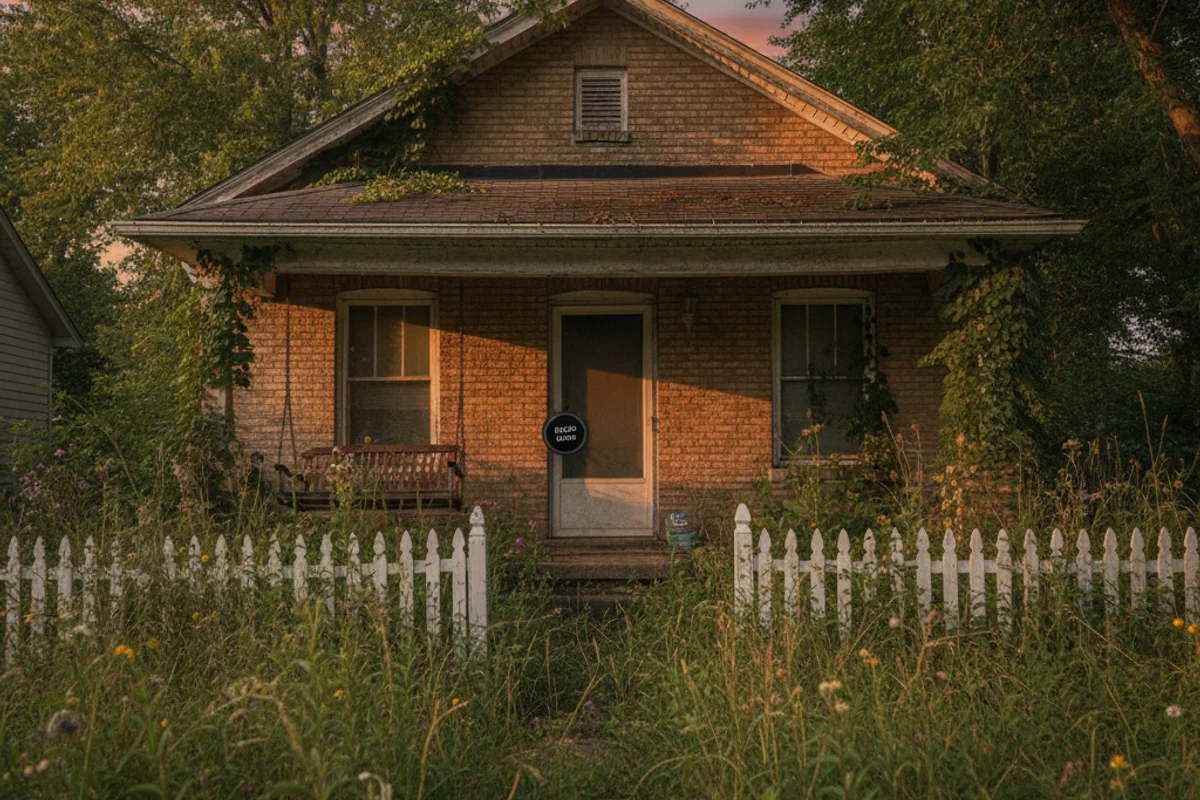
Your foundation has a crack the city flagged two years ago. The unpermitted garage addition has been on the violation list even longer. And now you’re trying to figure out how to sell your house with code violations in Grand Rapids without spending $30,000 you don’t have on repairs. That’s a real situation, and it’s more common than most people realize in neighborhoods across the city. The good news is that you have options that don’t involve gutting your budget or waiting six months for a traditional buyer to come along. Let’s walk through exactly what those options look like, what the real numbers are, and how Grand Rapids homeowners are getting out from under these properties without losing their minds or their equity.
Why Grand Rapids Homeowners With Violation-Flagged Properties Are Choosing Cash Buyers
Code violations create a specific kind of problem that the traditional real estate market isn’t built to handle well. Conventional buyers rely on mortgage financing, and lenders won’t approve loans on homes with unresolved safety or structural violations. The appraisal fails. The deal falls apart. You’re back to square one, usually a few months later and a few thousand dollars poorer.
That cycle is exactly why cash home buyers in Michigan have become such a practical solution for owners in this situation. Cash buyers don’t need lender approval. They evaluate the property on its actual value and make an offer based on what it’s worth as-is, violations included. No waiting on an underwriter. No repair demands buried in a purchase agreement.
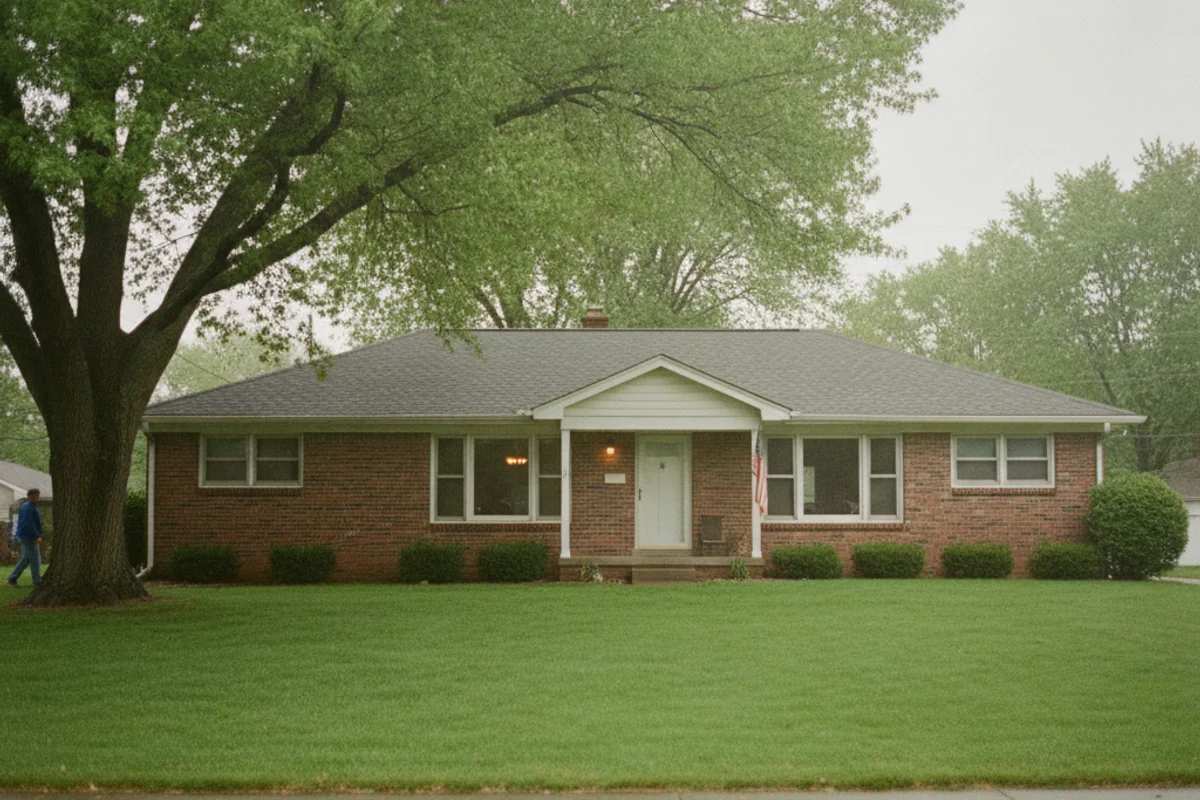
Grand Rapids has a diverse housing stock that makes this especially relevant. Older neighborhoods like Heartside, Creston, and the West Side are full of homes built in the 1920s through the 1960s that often carry issues the city has flagged over the years. Knob-and-tube wiring, outdated plumbing, deteriorating rooflines, and additions built without permits are all common. These aren’t necessarily signs of neglect. They’re often just the reality of owning an older home in a city where the housing stock has aged faster than renovation budgets.
Grand Rapids also draws a steady stream of new residents thanks to major employers like Spectrum Health, Amway, and Steelcase. That in-migration keeps demand healthy, but it also means buyers with financing have plenty of move-in-ready options to choose from. A violation-flagged home simply can’t compete in that pool. When you’re dealing with violations in those neighborhoods, a cash sale isn’t a last resort. It’s often the smartest financial move available.
Get Your Free Cash Offer Today
No fees. No repairs. Close in as little as 7 days.
The 3-Step Process: Selling Your Grand Rapids Home With Code Violations for Cash
Here’s the thing: the process is a lot simpler than most people expect. There are no drawn-out negotiations, no repair contingencies, and no inspection drama that unravels the deal at the last minute. Let’s break this down step by step.
Step one: You request an offer. You share basic details about your property, including its condition and any known violations. A local buyer reviews the information and schedules a walkthrough, usually within 24 to 48 hours. You don’t need to clean up the place or fix anything before this visit.
Step two: You receive a no-obligation cash offer. The offer reflects the home’s as-is condition. You’re not being penalized for violations so much as the buyer is pricing in the cost of repairs they’ll handle after closing. There are no agent commissions deducted and no closing cost surprises hiding in the fine print.
Step three: You pick a closing date. Most cash sales in Grand Rapids close in 7 to 14 days. If you need more time to line up your next move, that’s negotiable too. You get flexibility that a traditional sale almost never offers, and you’re not at the mercy of someone else’s lender timeline.
That’s genuinely the full process. You don’t hire contractors. You don’t pull permits. You don’t stage the home or sit through weekend showings with strangers walking through your kitchen.
One important note: Michigan does require sellers to complete a Seller Disclosure Statement covering known defects and code issues. You’ll need to disclose what you know. Cash buyers fully expect this and account for it in their offers, so there’s no reason to hide anything. Honest disclosure protects you legally and keeps the transaction clean from start to finish.
Cash vs. Listing With an Agent: What the Real Numbers Look Like in Grand Rapids
The median home price in Grand Rapids sits around $302,000 right now, and the market moves fast with an average of just 9 days on market for properly priced, move-in-ready homes. That sounds encouraging if you’re thinking about listing traditionally. But that speed assumes your home can actually attract a financed buyer, which a property with active code violations typically can’t.
Banks won’t lend on homes with unresolved habitability or structural violations. That automatically removes the large majority of buyers from your pool. You’re left waiting for the rare cash buyer who stumbles across your listing on the open market, or you’re looking at months of costly repairs before you can even list the property properly and price it at full market value.
Here’s a realistic comparison using round numbers. On a $280,000 home sold through a traditional agent, you’d typically pay around 5 to 6 percent in commissions. That’s $14,000 to $16,800 right off the top before you see a single dollar. Add in closing costs of roughly 2 percent, holding costs during the 30 to 45 day close window at around $1,800 to $2,200 per month, and any repair concessions the buyer negotiates after their inspection, and the number gets uncomfortable fast.
A cash offer on the same home might come in at $240,000 to $255,000 depending on the scope of the violations. But after factoring in zero commissions, no repair costs, and a two-week close instead of two months of carrying costs, the net difference often isn’t what sellers expect. In many cases, you come out ahead financially, or at minimum, you come out whole without the six months of stress.
It’s also worth noting that roughly 40 percent of home sales in Michigan are already cash transactions, according to current market data. That number reflects a market that’s increasingly comfortable with this model, and it means cash buyers in Grand Rapids are experienced, professional, and moving fast on the right properties.
If you want to dig deeper into how cash sales compare to traditional listings with real numbers from a comparable Michigan market, this breakdown of the cash offer vs. listing with a realtor in Ann Arbor is worth a read before you make any decisions.
Find Out What Your Home Is Worth
Get a no-obligation cash offer in 24 hours.
5 Reasons Michigan Sellers Skip the Traditional Listing Process Entirely
1. Lender restrictions make financed sales nearly impossible on violation-flagged homes. Any significant code issue involving electrical systems, structural integrity, or habitability will likely cause a lender to decline financing for the buyer. That’s not a maybe. It’s standard underwriting practice. Cash sales bypass this entirely because no bank is involved.
2. Repair costs often exceed what owners can realistically manage before a sale. Bringing a Grand Rapids home up to code can run anywhere from a few thousand dollars for minor permit issues to well over $50,000 for foundation work, full electrical rewiring, or significant structural repairs. Many sellers simply don’t have that capital sitting around, and taking on debt to fund repairs before a sale rarely pencils out.
3. Code violation fines compound over time and add real financial pressure. The City of Grand Rapids Code Compliance office enforces violations actively. Outstanding issues can result in ongoing fines that increase your financial exposure the longer the property sits unresolved. Every month you delay is another month those penalties grow.
4. Traditional timelines don’t work for every seller’s situation. Whether you’re relocating for a new job at one of Grand Rapids’ healthcare systems, managing an inherited property from out of state, or trying to avoid foreclosure on a home you can no longer afford, waiting 30 to 45 days for a traditional close isn’t always realistic. If you’re also navigating financial distress alongside the violation issues, it’s worth reading about avoiding foreclosure in Grand Rapids before your options narrow further.
5. Monthly carrying costs are a slow financial drain that adds up fast. Every month you own a property that can’t attract a buyer, you’re paying property taxes, homeowner’s insurance, utilities, and possibly HOA fees. On a $300,000 Grand Rapids home, that carrying cost can easily run $1,800 to $2,500 per month. A fast cash close stops that clock immediately. Two extra months of carrying costs on a slower sale can easily wipe out $4,000 to $5,000 of your proceeds before you even factor in the commission.
Michigan sellers should also know that while a home inspection isn’t legally required to complete a sale, buyers can and do request one. With code violations present, an inspection almost always surfaces additional issues that give a traditional buyer grounds to renegotiate the price or walk away entirely. With a cash buyer, that dynamic doesn’t apply. They’ve already priced in the condition of the home.
Before entering any sale, it’s smart to verify your property’s status with the Kent County Register of Deeds, where you can confirm outstanding liens, assessments, or encumbrances that might affect your closing. Knowing exactly what’s attached to the property before you accept an offer keeps things clean. If financial distress is part of your situation alongside the violations, HUD’s homeowner resources are also worth reviewing for federal-level guidance.
Common Questions About Selling a Code-Violation Property in Grand Rapids
What types of violations do cash buyers typically accept in Grand Rapids?
Most experienced cash home buyers in Michigan will work with unpermitted additions, electrical system deficiencies, plumbing failures, roof damage, mold issues, and foundation problems. The list is broader than most sellers expect going in. The key is finding a buyer who has direct experience with Grand Rapids properties and understands what local remediation actually costs from licensed Kent County contractors. A buyer who works regularly in the market won’t lowball you on repair estimates because they’ve actually paid those bills before.
Does a cash offer automatically mean a lowball offer?
Not necessarily, and this is one of the biggest misconceptions sellers have. A fair cash offer reflects the home’s current market value minus the realistic cost of repairs and a reasonable return for the buyer. The more experienced and local the buyer, the more accurate that math tends to be. You should feel completely comfortable asking for a breakdown of how the offer number was calculated. Any reputable buyer will walk you through it clearly.
What if there’s still a mortgage on the property?
That’s fine and very common. The proceeds from the sale pay off your existing mortgage at closing through the title company. You receive whatever equity remains after the payoff. There’s no need to own the home free and clear to sell it for cash. For more context on how this works specifically in Michigan, this overview of selling a house with a mortgage in Lansing covers the same process in a comparable market and answers the questions most sellers have.
Are there Grand Rapids sellers who shouldn’t use a cash sale approach?
Yes, and it’s worth being honest about this. If your home is in solid condition, can clear a standard inspection, and can attract financed buyers, a traditional listing may net you a higher gross sale price. Cash sales are most valuable when violations, time pressure, financial constraints, or property condition make the traditional path impractical or outright impossible. The sellers who benefit most are the ones who need certainty, speed, and a clean process over maximum gross proceeds. For a large segment of Grand Rapids homeowners dealing with code violations, that description fits perfectly.
We also work with sellers across the state. If you’re managing properties in other Michigan markets, we serve homeowners in Ann Arbor and Battle Creek where similar code violation challenges come up regularly in older housing stock.
Your Next Step
If you’ve been sitting on a property with outstanding violations and wondering how to move forward without a mountain of repair costs, the answer isn’t to spend months chasing contractor estimates or hoping a traditional buyer overlooks the issues. When you need to sell your house with code violations in Grand Rapids, a cash offer gives you a clear path out with a defined timeline, no repair obligations, and no commission checks written to anyone.
The process starts with a single conversation. You can sell your house in Michigan when traditional routes aren’t working, and you can get your cash offer today with no commitment required. Our team works directly with Grand Rapids homeowners and will walk you through exactly what to expect before you agree to anything.
To learn more about how we work specifically in this market, our Grand Rapids cash home buyers page covers our process, what we look for in a property, and how quickly we can move once you’re ready. There’s no pressure and no fees attached to getting an offer. Just a straightforward conversation about what your home is worth and what a fair number looks like given its current condition.
The clock on those violations keeps running. You don’t have to let it run any longer than it already has.
NestCash works with Grand Rapids homeowners dealing with divorce, foreclosure, inherited properties, and homes that need to sell as-is every single day.
Ready to Sell? Let's Talk.
Get your cash offer now. No obligation, no hassle.

John is the Founder of NestCash and a leading voice in real estate investing and housing market strategy. With experience across 12 states, he helps buyers, sellers, and investors make smarter decisions using real-world insight and market data.