Quick Home Sale In Detroit: Trusted Buyers, Fast Close
Detroit homes sell in 55 days on average. Cash buyers close in 10-14. Get your quick home sale in Detroit with trusted local buyers who close fast.

Head of Marketing, NestCash··12 min read
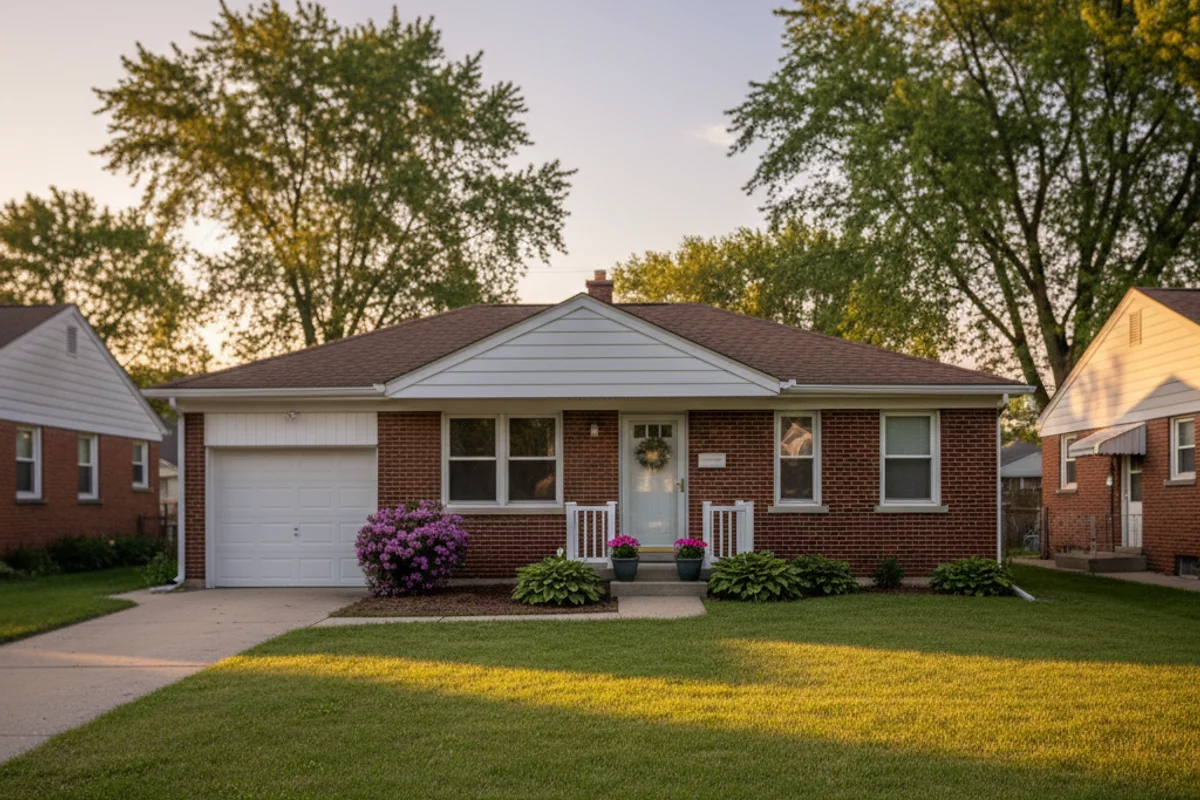
Detroit homes sit on the market for 55 days on average before going under contract. Then add another 30 to 45 days for the traditional closing process. That’s nearly three months from listing to closing, assuming everything goes smoothly. Here’s what most sellers don’t realize: a quick home sale in Detroit through cash buyers typically closes in 10 to 14 days total. Not 90 days. Two weeks.
The difference isn’t just about convenience. Those extra 75 days cost you real money in mortgage payments, utilities, insurance, taxes, and maintenance. For a home at Detroit’s $125,000 median price, you’re looking at roughly $1,200 to $1,800 monthly in holding costs. That’s $3,600 to $5,400 you’ll never recover while waiting for a traditional sale to close.
The good news is that Detroit cash home buyers represent 28% of the local market. That’s higher than most Michigan cities and reflects the practical realities of Detroit’s housing landscape. Cash buyers understand the city’s neighborhoods, accept properties in any condition, and close on your timeline instead of a bank’s approval schedule.
Detroit Homes Average 55 Days on Market, Here’s How to Beat It
The 55-day average tells only part of the story. In neighborhoods like Palmer Woods or Indian Village where homes are move-in ready, properties often sell faster. In areas like Brightmoor, Bagley, or parts of the Northend where homes need work, that timeline stretches considerably longer.
Here’s what happens during those 55 days. You’re paying for heating during Detroit winters that can run your gas bill to $250 or more monthly. You’re covering property taxes that average around $2,400 annually on the median-priced home. You’re maintaining homeowner’s insurance even though you’re not living there. You’re keeping the lawn mowed and the driveway clear.
Traditional buyers need financing approval, which means appraisals. Detroit appraisals can be challenging because comparable sales data varies dramatically by neighborhood and block. An appraiser comparing your Cody Rouge property to recent sales might struggle to find truly comparable properties, potentially killing deals at the last minute.
Then there’s the inspection period. Michigan law doesn’t require inspections, but standard property disclosure requirements apply, and smart buyers always inspect. When they find issues common in Detroit’s older housing stock like knob-and-tube wiring, galvanized plumbing, or foundation settling, they’ll request repairs or price reductions.
Cash buyers skip most of this timeline. They make offers based on current condition, don’t need appraisals for lending purposes, and close on timelines you choose. That 55-day average becomes irrelevant when you sell a house fast in Detroit through direct cash purchase.

Get Your Free Cash Offer Today
No fees. No repairs. Close in as little as 7 days.
Related Video
Why Speed Matters More Than Price for Some Detroit Sellers
Not every seller needs to close in two weeks. But certain situations make speed more valuable than squeezing out every possible dollar.
Job relocations happen fast. If you accepted a position in another state with a start date four weeks out, you can’t wait three months to close. Detroit’s automotive and healthcare sectors both see significant employee movement, and those relocations rarely come with flexible timelines.
Inherited properties create their own urgency. Maybe you inherited your grandmother’s home in Rosedale Park, but you live in California. You’re paying Detroit property taxes, insurance, and utilities on a house you’ll never live in. Every month you hold that property costs money you won’t recover. A quick sale stops the financial bleeding, and most inherited homes qualify to sell as-is in Detroit without any repairs.
Divorce situations require clean breaks. Shared property creates ongoing financial entanglement when both parties need to move forward. Selling fast to cash home buyers in Michigan provides certainty and closure without the anxiety of waiting months while both parties continue paying for shared property.
Pre-foreclosure scenarios demand immediate action. If you’ve fallen behind on payments and foreclosure proceedings have started, you have a limited window to sell before losing all equity. Traditional sales take too long. Cash sales can close before foreclosure completes, preserving whatever equity remains.
Financial distress comes in many forms. Medical bills, business failures, or unexpected expenses sometimes force property sales. When you need cash now rather than potentially higher proceeds later, speed becomes the priority. The difference between a $125,000 cash offer today and a $135,000 traditional sale three months from now matters less when immediate cash solves your problem.
The Detroit market’s stability helps here. Unlike rapidly appreciating markets where waiting might capture significant gains, Detroit’s stable market means the price difference between selling today versus three months from now is minimal. You’re not leaving massive appreciation on the table.
How Cash Buyers Move Faster Than Financed Buyers in Michigan
The closing timeline difference comes down to mortgage underwriting. When a buyer needs financing, they’re subject to a lender’s approval process that involves multiple steps and stakeholders beyond their control.
Lenders require appraisals to confirm the property value supports the loan amount. In Detroit, appraisers sometimes struggle with rapidly changing neighborhood valuations. What sold for $80,000 last year might appraise for $95,000 or $105,000 today depending on recent improvements and sales. Low appraisals kill deals or require renegotiation.
Underwriters verify buyer employment, income, assets, debts, and credit history. They request documentation, then more documentation, then clarification on the documentation. One missed paycheck stub or unexplained bank deposit can delay closing by weeks.
Lenders order title searches, surveys, and inspections. They require proof of homeowner’s insurance. They verify property taxes are current. Each requirement adds time and potential complications. And if the buyer’s financial situation changes at all during this process, like taking on new debt or changing jobs, the deal can collapse days before closing.
Cash buyers eliminate the lending institution entirely. They either have liquid funds or private financing already secured. There’s no underwriter to satisfy, no appraisal contingency, and no loan approval hanging over the transaction.
Title work still happens, but it’s streamlined. Cash buyers typically work with title companies experienced in quick closings who can turn around title searches and prepare closing documents rapidly. What might take 30 days with a traditional lender-required timeline can happen in 10 days or less.
The inspection period also differs. While financed buyers typically negotiate inspection repairs because their lender requires the property to meet certain standards, cash buyers purchasing as is aren’t bound by lender requirements. They’ve already factored the property’s condition into their offer. No repair negotiations means no delays.
Michigan’s closing process itself is relatively straightforward. The state doesn’t have mandatory attorney requirements for real estate transactions, though you’re welcome to use one. Closings happen through title companies, and once all documents are ready and funds are verified, you can close in a single afternoon.

Find Out What Your Home Is Worth
Get a no-obligation cash offer in 24 hours.
The Detroit Fast-Sale Checklist: What You Need Ready
Organization speeds any sale, but it matters more when you’re targeting a quick closing. Having documents ready when cash buyers request them keeps your timeline on track.
Start with your property deed. You’ll need to show clear ownership. If you’ve refinanced or the deed is filed under a previous name after marriage or divorce, get that documentation ready. The Wayne County Register of Deeds can provide copies if you don’t have yours.
Gather mortgage information if you’re still paying. You’ll need your current payoff amount, which changes daily as interest accrues. Contact your lender for an accurate payoff statement. If you have a second mortgage or home equity line of credit, you’ll need payoff information for those too.
Pull together property tax records. Detroit property taxes appear on the City of Detroit Treasury website where you can check current amounts due. Unpaid taxes must be addressed at closing, either paid from proceeds or negotiated with the buyer.
Collect recent utility bills. While not always required, having gas, electric, and water bills available helps verify account numbers for transfer or closure. It also documents that utilities are active, which matters for vacant properties.
Locate your homeowner’s insurance policy information. You’ll cancel this after closing, but having the policy number and contact information ready streamlines the process.
Prepare your Michigan property disclosure. State law requires you to disclose known material defects. Even though cash buyers purchase as is, you’re still legally obligated to disclose issues you know about. Being upfront prevents legal problems later.
Identify your closing preferences. Do you want to close at a title company office, or would you prefer a mobile notary to come to you? What closing date works for your moving timeline? The more clarity you provide upfront, the faster everything proceeds.
If your property is vacant, make it accessible. Cash buyers need to evaluate the property, typically within 24 to 48 hours of contact. Having lockbox access or being available for showings prevents scheduling delays.
Decide what stays and what goes. In as-is sales, many sellers leave behind items they don’t want to move. Appliances, furniture, even garage contents can stay if you prefer. Communicate this clearly so everyone understands what conveys with the property.
Pricing Strategy for a Fast Detroit Home Sale
Cash offers typically come in below retail market value. That’s not a scam. It’s math based on the buyer’s costs and the seller’s convenience.
Detroit’s median home price sits at $125,000. But that number includes both renovated properties in desirable neighborhoods and fixer-uppers in areas needing investment. Your specific home’s value depends on location, condition, size, and updates.
Cash buyers calculate offers by starting with after-repair value. They estimate what your home would sell for if fully updated and in excellent condition. Then they subtract repair costs, holding costs while they complete work, selling costs when they eventually resell, and their profit margin.
For a Detroit home needing $30,000 in repairs with an after-repair value of $125,000, the math might look like this: $125,000 ARV minus $30,000 repairs minus $8,000 holding and selling costs minus $17,000 profit margin equals a $70,000 offer. That seems low until you consider your alternative.
Selling traditionally means you either make those $30,000 in repairs yourself before listing, or you list as is and accept that traditional buyers will either lowball you or request those repairs after inspection anyway. Either way, you’re paying for repairs, plus agent commissions of 5% to 6%, plus your holding costs during the months-long sale process.
When you run the net proceeds comparison, cash offers often land closer to traditional sale outcomes than they first appear. The cash offer vs listing comparison shows real Detroit numbers demonstrating this reality.
To get your cash offer, you’ll provide basic property details: address, bedrooms, bathrooms, square footage, condition, and any major issues you know about. Most cash buyers provide initial offers within 24 hours based on this information and public records.
From Offer to Closing Fast in Detroit: A Real Timeline
Here’s what the actual process looks like when everything moves efficiently.
Day 1: You contact cash buyers and provide property information. They review public records from Wayne County and may drive by your property for an exterior evaluation.
Day 2: You receive initial offers. These are typically preliminary, subject to interior inspection, but they give you a real number to evaluate.
Day 3: You accept an offer pending inspection. The buyer schedules a property walkthrough, usually within 24 to 48 hours.
Day 4: The buyer inspects your property. This isn’t like a traditional inspection with a licensed inspector spending hours checking every detail. Cash buyers or their representatives do a quick evaluation to confirm condition and identify any issues not disclosed.
Day 5: You receive a final written offer based on the inspection. If the property condition matched your description, the offer typically stays the same. If they found undisclosed issues, they may adjust.
Day 6: You accept the final offer and choose a closing date. Cash buyers typically offer flexibility, letting you select any date 7 to 30 days out, or sometimes even faster in emergencies.
Days 7-10: The title company conducts a title search to verify ownership and identify any liens, judgments, or title issues. They prepare closing documents and coordinate with all parties.
Day 11-14: Closing day arrives. You meet at the title company office (or a mobile notary comes to you) to sign documents. The buyer wires funds to the title company, which pays off your mortgage, satisfies any liens, covers closing costs, and cuts you a check for the remaining proceeds.
That’s two weeks from first contact to cash in hand. Compare that to traditional sales requiring weeks of preparation, 55 days average market time, and 30 to 45 days closing period.
Of course, complications can extend this timeline. Title issues like unreleased liens from paid-off mortgages or estate complications require resolution before closing. Probate situations add time and complexity. But absent major title problems, the two-week timeline holds for most Detroit properties.
The Michigan legal framework supports fast closings. Unlike some states requiring attorney involvement or specific waiting periods, Michigan’s real estate laws allow parties to close as quickly as they can complete required steps. As long as title is clear and documents are signed, you’re done.
Detroit sellers in neighborhoods from Downtown to Warrendale to the Villages successfully complete these quick sales regularly. We also work with sellers in Ann Arbor, Grand Rapids, and throughout Michigan who need similar speed and certainty.
The key to hitting these timelines is choosing experienced cash buyers who’ve closed hundreds of Detroit transactions. They know local title companies, understand Detroit’s specific property challenges, and have systems for moving quickly. First-time or inexperienced buyers might promise fast closings but lack the infrastructure to deliver.
Look for buyers who can show recent Detroit closing documents, provide references from other sellers, and demonstrate their funding capacity. Legitimate cash buyers will provide proof of funds showing they actually have the money to close without needing to secure financing.
Understanding what drives quick home sales in Detroit helps you make informed decisions about your property. Whether you’re dealing with job relocation, inheritance, financial pressure, or just want to move on quickly, cash sales let you skip the months-long listing and provide a proven path to fast closings with certain outcomes.
The process isn’t mysterious. It’s straightforward transaction mechanics without the complications that mortgage lending introduces. For Detroit homeowners who value speed and certainty over maximizing every possible dollar, selling to established cash home buyers in Michigan makes practical sense.
When you’re ready to explore your options, start by selling your house in Michigan through buyers who understand Detroit’s unique market dynamics and can close on your timeline. The 55-day average only applies if you choose the traditional path. Cash sales create their own faster timeline on your terms.
For more details, see our guide on selling your house as is in Detroit.
NestCash works with Detroit homeowners dealing with divorce, foreclosure, inherited properties, and homes that need to sell as-is every single day.

Ready to Sell? Let's Talk.
Get your cash offer now. No obligation, no hassle.

Jackson is the Head of Marketing at NestCash, where he leads growth strategy and real estate education. He focuses on housing trends across 12 states, translating complex market shifts into clear, actionable guidance.