How To Sell An Inherited House In St. Petersburg: Fair Cash Offers Guaranteed
Learn how to sell an inherited house in St. Petersburg, FL without probate headaches or costly repairs. Get a fair cash offer and close in days, not months.

Head of Marketing, NestCash··9 min read
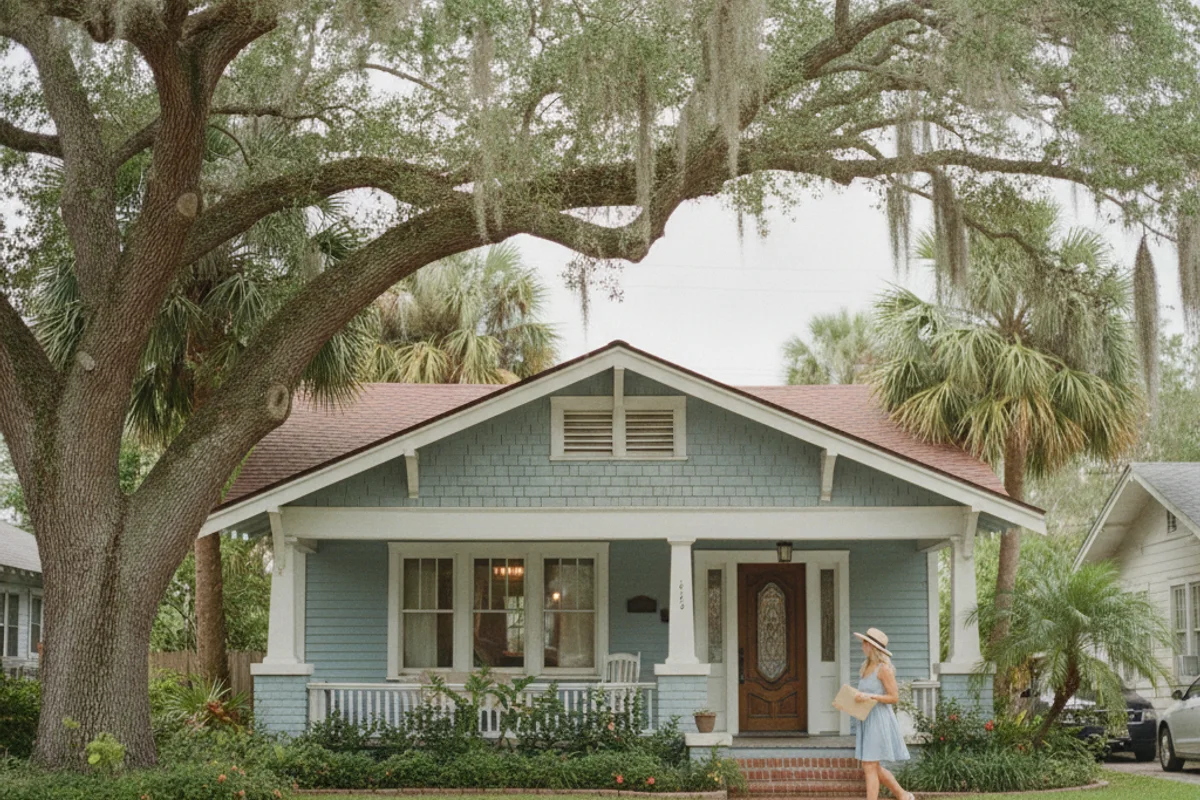
Losing someone you love is hard enough. Figuring out what to do with the house they left behind adds an entirely different kind of weight. If you’re navigating how to sell an inherited house in St. Petersburg, you’re probably juggling grief, legal paperwork, family opinions, and the practical reality of a property that needs attention right now. This guide walks you through every step of that process, from understanding Florida probate to closing quickly and moving forward.
What to Do When You Inherit a House in St. Petersburg
The first thing to understand is that you don’t have to make fast decisions about the property itself. But you do need to act quickly on a few logistical fronts.
Start by securing the home. Change the locks, notify the insurance company that the property is now vacant (most standard homeowner policies have vacancy clauses that can void coverage after 30 to 60 days), and make sure utilities stay on. St. Petersburg’s humidity and heat can cause real damage to a vacant home in a matter of weeks.
Next, gather all the documents you can find: the will, the deed, any mortgage statements, and property tax records. You can pull official property records through the Pinellas County Property Appraiser’s office, which will show current ownership, assessed value, and tax status.
If the estate is going through probate, you’ll need to wait for legal authority before you can list or sell. If you’re a named personal representative in the will, you can begin coordinating with a Florida probate attorney right away. If there’s no will, the court will appoint an administrator.
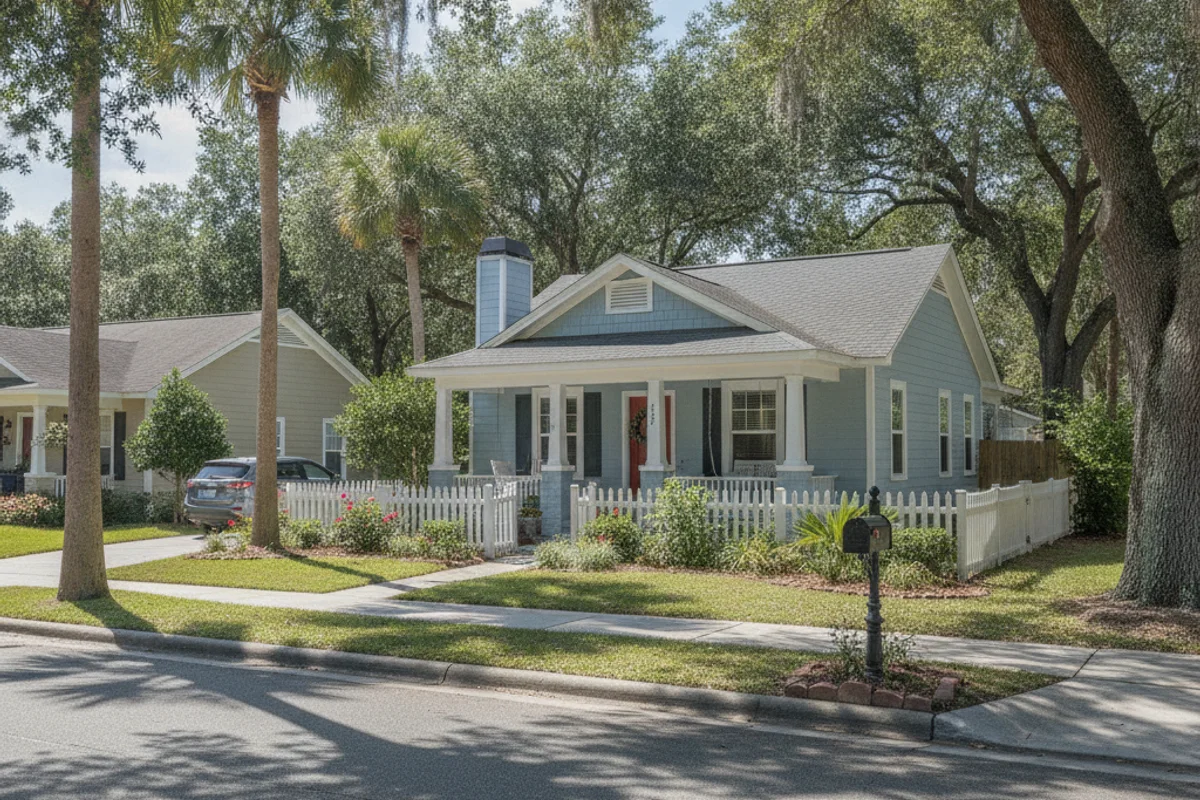
Neighborhoods like Kenwood, Old Northeast, and Snell Isle have homes that often carry significant emotional and financial value. Whatever the home looks like today, it likely has real equity worth protecting.
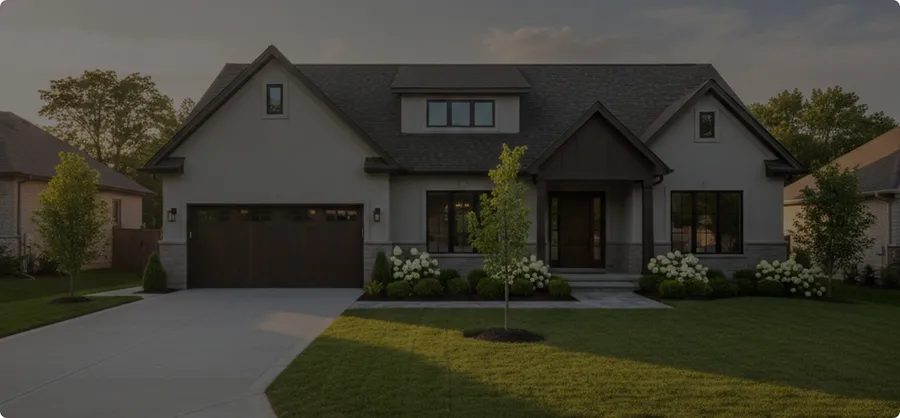
Get Your Free Cash Offer Today
No fees. No repairs. Close in as little as 7 days.
Related Video
Understanding Florida Probate and Inherited Property
Florida has two main types of probate: formal administration and summary administration. Knowing which one applies to your situation changes everything about your timeline.
Formal administration is required when the estate is worth more than $75,000 or when the person passed away less than two years ago. This process typically takes 6 to 12 months and goes through the Pinellas County Probate Court. A personal representative is appointed, creditors are notified, debts are paid, and then assets are distributed.
Summary administration is a faster option for smaller estates or those where the decedent has been gone for more than two years. This process can sometimes conclude in 4 to 8 weeks. It’s worth having a Florida probate attorney evaluate your situation early, because qualifying for summary administration can save you months of waiting.
One critical distinction: selling during probate versus after probate. You can sell during probate with court approval. The personal representative files a petition, the court reviews the proposed sale price and terms, and a judge authorizes the transaction. Learn more about how the probate process works so you understand what to expect before committing to any sale agreement.
Cash buyers are particularly well-suited for probate sales because they don’t rely on mortgage financing. There are no lender-required appraisals or underwriting delays that could complicate court timelines.
If you’re an out-of-state heir managing this remotely, you’re not alone. Many St. Petersburg inherited properties are handled by heirs living in the Northeast or Midwest who relocated years ago and can’t easily travel back. A local probate attorney combined with a trusted St. Petersburg cash home buyer can handle almost everything without requiring your physical presence.
For a complete guide, read our resource on selling your house in St. Petersburg.
The Hidden Costs of Keeping an Inherited St. Petersburg Home
Here’s something most heirs don’t fully calculate until it’s too late: holding onto an inherited property costs real money every single month.
In St. Petersburg, where the median home price is around $500,000, property taxes alone can run $4,000 to $8,000 per year or more depending on assessed value and exemptions. The homestead exemption that protected your loved one’s tax bill typically expires after the year of their death, which means you could face a significant increase.
Beyond taxes, consider:
- Homeowner’s insurance: Florida premiums have surged. Vacant home policies can cost 50% more than standard coverage.
- HOA fees: Many St. Petersburg communities, especially in Snell Isle and Pasadena Yacht and Country Club areas, carry monthly HOA dues that don’t pause for estates.
- Utilities and maintenance: Keeping the lights on, the AC running, and the lawn maintained adds up fast.
- Flood insurance: St. Petersburg is a coastal city. Many properties in flood zones require separate policies that can cost $1,000 to $4,000 annually.
If the home sits on the market for the average 52 days before going under contract, then another 30 to 45 days to close through a traditional sale, you could be looking at three to four months of carrying costs. That’s not counting any required repairs or inspection issues that might delay closing further.
For heirs who are already stretched emotionally and financially, those costs can feel overwhelming. A quick home sale in Florida through a cash buyer eliminates most of that exposure.
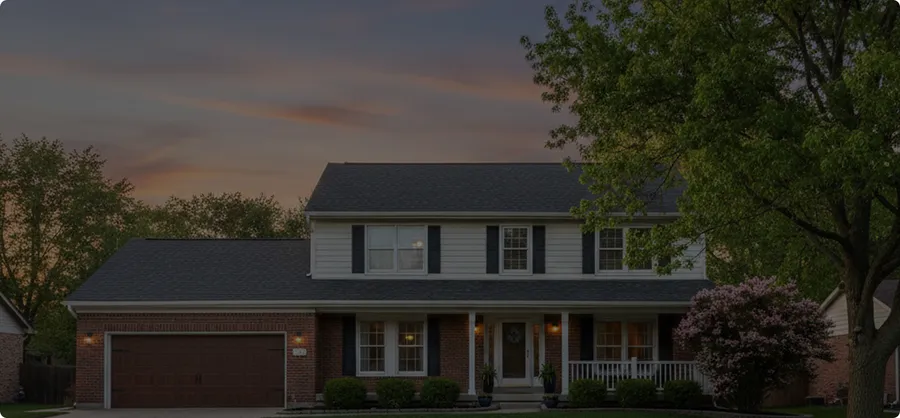
Find Out What Your Home Is Worth
Get a no-obligation cash offer in 24 hours.
Should You Renovate an Inherited St. Petersburg House Before Selling?
This is one of the most common questions heirs ask. The honest answer depends on your time, money, and how much equity is in the property.
Here’s a side-by-side look at both paths:
| Factor | Renovate, Then List | Sell As-Is for Cash |
|---|---|---|
| Timeline to close | 3 to 6+ months | 7 to 21 days |
| Upfront costs | $20,000 to $80,000+ depending on scope | $0 |
| Risk of cost overruns | High (especially in older FL homes) | None |
| Market uncertainty | Subject to 52-day average DOM | Certain, agreed price |
| Carrying costs during work | You pay all of them | Minimal to none |
| Final net proceeds | Potentially higher, but not guaranteed | Lower offer, but no fees or commissions |
| Emotional burden | High (managing contractors remotely) | Very low |
If the home is in genuinely great condition and you have the time, capital, and local network to manage a renovation, a traditional listing might net you more. But if the house needs a new roof, updated HVAC (critical in Florida’s heat), or has flood-related issues, renovation costs can easily outpace any gain.
Florida also has specific seller disclosure requirements that apply regardless of how you sell. You must disclose known material defects. Selling as-is doesn’t mean selling without disclosure. It means you’re not agreeing to make repairs.
For most heirs, especially those managing from out of state, the simplicity of an as-is cash sale outweighs the potential upside of a full renovation.
Tax Implications of Selling Inherited Property in Florida
Taxes are where a lot of heirs get anxious. Let’s simplify this.
Florida has no state income tax and no state inheritance tax. That’s genuinely good news if you’re comparing it to states like Pennsylvania or Iowa. But federal capital gains tax still applies.
The key concept here is the stepped-up cost basis. When you inherit a property, the IRS generally resets your cost basis to the fair market value of the home on the date of the original owner’s death. This is covered in IRS guidance on inherited property.
Here’s what that means practically: if your parent bought a home in St. Petersburg in 1985 for $80,000, and it was worth $500,000 when they passed, your cost basis is $500,000. If you sell it today for $510,000, your taxable gain is only $10,000, not $420,000.
If the property has appreciated since the date of death, that gain could be subject to capital gains tax. The rate depends on how long you hold the property after inheriting it. Sales within a year of inheriting are taxed at short-term rates (ordinary income rates). Sales after one year qualify for long-term rates, typically 0%, 15%, or 20% depending on your income.
This is why timing matters. Talk to a CPA or tax attorney before you close, particularly if the home has appreciated since the date of death or if you’re splitting proceeds among multiple heirs.
How to Sell Your Inherited St. Petersburg Home Fast for Cash
If you’ve reached this section, you’re probably leaning toward a cash sale and want to know what it actually looks like. Here’s how the process works with a reputable cash buyer.
Step 1: Request an offer. You share basic details about the property, and a cash buyer evaluates it, often without requiring an in-person visit. You can get your cash offer in as little as 24 to 48 hours.
Step 2: Review and accept. You’ll receive a written offer with a proposed closing timeline. There’s no obligation. You can take time to compare it against your options.
Step 3: Title and probate coordination. If the estate is still in probate, a reputable buyer will work alongside your probate attorney to time the closing with court approval. If probate is complete, this step moves quickly.
Step 4: Close on your schedule. Cash sales can close in as little as 7 to 14 days. You choose the date. You walk away with proceeds and no commissions, no repair credits, and no last-minute lender conditions.
St. Petersburg’s cash home buying market is active. About 32% of home sales in the area are already cash transactions, which means buyers, processes, and title companies here are well-practiced at moving quickly.
If you’re looking at options across Florida, we also work with homeowners in Cape Coral and Jacksonville who are in similar situations. And if you’re concerned about related financial pressures on the estate, our guides on avoiding foreclosure in Tampa and selling fast in Orlando cover scenarios where timing is critical.
Selling an inherited home is one of the most emotionally layered real estate decisions you’ll ever make. There’s no single right answer, but there is a path that minimizes stress, eliminates uncertainty, and lets you close this chapter on your own terms.
When you’re ready to explore your options, our team of St. Petersburg cash home buyers is here to help you move forward. You can also browse all of our Florida home buying services to see how we work across the state.
You don’t have to figure this out alone.
We also help homeowners in St. Petersburg dealing with divorce, foreclosure, and selling as-is situations.

Ready to Sell? Let's Talk.
Get your cash offer now. No obligation, no hassle.

Jackson is the Head of Marketing at NestCash, where he leads growth strategy and real estate education. He focuses on housing trends across 12 states, translating complex market shifts into clear, actionable guidance.