Sell My House As Is In Durham: Fair Cash Offers Guaranteed
Discover how to sell your house as is in Durham without repairs. Get honest pricing, transparent offers, and close in days, not months. Start today.

Head of Marketing, NestCash··11 min read
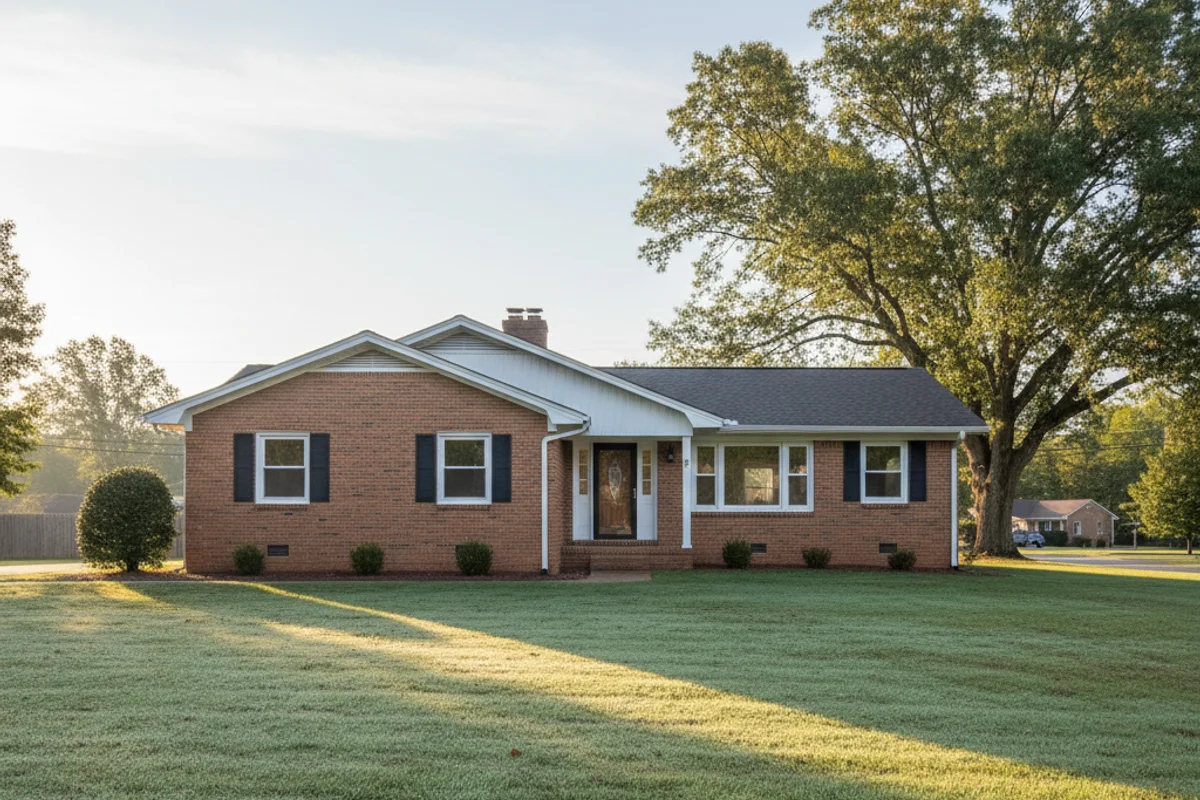
Durham home buyers buyers typically demand between $15,000 and $35,000 in repair credits before they’ll close on a home that needs work. That’s the reality when you list traditionally. When you sell your house as is in Durham, that number drops to zero because you skip repairs entirely and move straight to closing.
The difference isn’t just about avoiding contractor headaches. It’s about actual dollars in your pocket and weeks of your life you get back. Durham’s median home price sits at $395,000, and with 28% of sales happening as cash transactions, there’s a deep market of buyers who don’t need perfection.
If you’re thinking about selling your Durham property without making repairs, you need to understand what that actually means financially and legally. Let’s walk through the real numbers, the actual process, and what happens when you decide to get your cash offer instead of listing the traditional way.
What Buyers Actually Demand in Repair Credits in Durham
Durham’s housing stock includes plenty of older homes, especially in neighborhoods like Old West Durham, Trinity Park, and Walltown. These homes have character, but they also have issues that come up during inspections.
When traditional buyers get their inspection reports, they come back with repair demands. Here’s what Durham sellers face most often:
Foundation and structural issues: $8,000 to $25,000 in credits. Durham’s clay soil expands and contracts, causing foundation movement. Buyers see cracks and immediately ask for structural engineer reports and repairs.
Roof replacements: $7,000 to $15,000. Many Durham homes still have roofs that took a beating from recent storms. Buyers won’t accept a roof with less than five years of life remaining.
HVAC systems: $4,000 to $8,000. Durham summers are brutal, and buyers refuse to inherit a system that’s 15 years old or showing signs of failure.
Electrical updates: $3,000 to $12,000. Older homes in Durham neighborhoods often need panel upgrades, rewiring, or updates to meet current code.
Plumbing repairs: $2,000 to $10,000. Cast iron pipes, slab leaks, and outdated fixtures all become negotiation points.
The real problem isn’t just the dollar amounts. It’s that repairs turn into disputes. Contractors give varying estimates. Buyers want work done by licensed professionals. You’re stuck managing the process while your closing date keeps getting pushed back.
According to Durham County’s property records, homes built before 1980 make up a significant portion of the housing stock. These properties almost always trigger repair requests during traditional sales.
When you sell a house fast in Durham through a cash buyer, none of these negotiations happen. The buyer sees the problems during their walkthrough, factors them into the offer, and that’s the end of it.
Get Your Free Cash Offer Today
No fees. No repairs. Close in as little as 7 days.
Related Video
The True Cost of Fixing Up a Durham Home Before Listing
Let’s say you decide to make repairs before listing. You want top dollar, so you’re going to fix everything a buyer might complain about. Here’s what that actually costs in Durham.
A modest three-bedroom home in decent shape but needing updates will run you:
- Kitchen refresh with new countertops, appliances, and paint: $8,000 to $15,000
- Bathroom updates for two baths: $5,000 to $10,000
- Fresh interior paint throughout: $3,000 to $5,000
- New flooring or refinishing existing floors: $4,000 to $8,000
- Exterior paint or siding repairs: $4,000 to $9,000
- Landscaping and curb appeal: $1,500 to $3,000
You’re looking at $25,000 to $50,000 minimum. That’s before you hit any surprises once contractors open up walls or start work.
Now add the soft costs. While you’re making repairs, you’re still paying:
- Mortgage payments
- Property insurance
- Utilities
- Property taxes
- HOA fees if applicable
For a $395,000 home, that’s roughly $2,500 to $3,500 per month in carrying costs. If repairs take two months, add another $5,000 to $7,000 to your total.
Then there’s your time. Managing contractors, getting permits, making decisions, dealing with delays. If you’re employed, you’re taking time off work. If you’ve already moved, you’re driving back to Durham repeatedly to check on progress.
The kicker is that you don’t recover these costs dollar for dollar. The National Association of Realtors consistently shows that most home improvements return 60 to 80 cents on the dollar.
When you sell your house as is in Durham, every one of these costs disappears. You’re not writing checks to contractors. You’re not waiting months for work to finish. You’re not gambling that buyers will actually pay more for your updates.
What “As Is” Really Means Under North Carolina Law
There’s confusion around the term “as is” because people assume it means “buyer beware, no protections, no recourse.” That’s not how it works in North Carolina.
When you sell as is in North Carolina, you’re telling the buyer they’re accepting the property in its current condition. They can’t come back after closing and demand you fix things. They can’t renegotiate because their inspector found problems.
But as is doesn’t eliminate your disclosure obligations. North Carolina General Statute 47E requires sellers to complete a Residential Property and Owners’ Association Disclosure Statement for most residential transactions. This applies whether you’re selling traditionally or as is.
You must disclose known material defects. That means issues you know about that affect the property’s value or safety. Foundation cracks you’re aware of, roof leaks you’ve experienced, electrical problems you’ve had repaired.
What you don’t have to do is hire inspectors to find problems. You’re not required to get a pre-sale inspection. You’re only disclosing what you actually know.
The North Carolina Residential Property Disclosure Act protects buyers from fraud while still allowing sellers to sell properties without making repairs. It’s a balanced system that works well for as-is transactions.
Cash home buyers in North Carolina understand this framework completely. They know you’re disclosing known issues, and they’re prepared to handle whatever condition the property is in. There’s no surprise, no drama, no renegotiation.
Find Out What Your Home Is Worth
Get a no-obligation cash offer in 24 hours.
Disclosure Rules for As-Is Sales in North Carolina
Let’s get specific about what you actually need to disclose when you sell a house in North Carolina as is.
The Residential Property Disclosure Statement covers these areas:
Structure and mechanical systems: Foundation, roof, walls, ceilings, floors, windows, doors, HVAC, electrical, plumbing. You disclose known defects or malfunctions.
Water intrusion and drainage: Past or present water leaks, flooding, drainage issues, sump pumps, French drains.
Environmental concerns: Lead-based paint (required for homes built before 1978), asbestos, radon, mold, underground storage tanks.
Other issues affecting property value: Termites and wood-destroying insects, boundary disputes, homeowners association rules, zoning violations, recent improvements without permits.
You’re not providing a warranty. You’re simply answering questions about what you know. If you’ve never had water in the basement, you answer accordingly. If you had a leak five years ago that was repaired, you disclose that.
Cash buyers in Durham don’t get nervous about disclosures the way traditional buyers do. They expect issues. A disclosure statement that lists problems doesn’t scare them off. It just gives them information to factor into their offer.
For Durham cash home buyers, properties in neighborhoods like Forest Hills, Bragtown, or Northgate Park all get evaluated the same way. Condition matters for pricing, but every condition is acceptable.
The beauty of selling as is is that disclosure becomes straightforward. You’re not hiding anything because you’re not claiming the house is perfect. The buyer sees it, you disclose what you know, and they make an offer based on reality.
For a complete guide, read our resource on sell as is in Durham.
How Cash Buyers Evaluate As-Is Homes in Durham
Understanding the evaluation process helps you know what to expect when a cash buyer walks through your property.
First, they’re looking at location and neighborhood. Durham’s market has distinct areas with different buyer demand. Homes near Duke University, downtown Durham, and the Research Triangle Park command different values than properties in more suburban areas.
The cash buyer is asking: What would this property sell for if it were in perfect condition? That’s the after-repair value, or ARV. In Durham’s current market with a $395,000 median, that number varies significantly by neighborhood and property type.
Next, they’re estimating repair costs. Unlike traditional buyers who panic at every issue, cash buyers calculate actual contractor costs. They know what it takes to replace a roof, update a kitchen, or handle foundation repairs because they do this regularly.
They’re also factoring in holding costs while they make repairs and resell. Property taxes, insurance, utilities, and financing costs all matter.
Finally, they need a profit margin. This isn’t charity. They’re running a business, and they need to make money on the transaction to stay operational.
The formula generally works out to: Offer = ARV × 70% to 85% minus Repair Costs
The percentage varies based on how much work is needed and current market conditions. Properties needing minimal work get offers on the higher end. Properties requiring extensive renovation get offers on the lower end.
Here’s why this often beats listing traditionally. When you subtract repair costs, agent commissions (typically 6%), closing costs (2% to 3%), holding costs during repairs and marketing, and the risk that buyers fall through, the cash offer frequently nets you the same amount or more.
Similar to what homeowners experience when comparing a cash offer vs listing with realtor in Charlotte, Durham sellers consistently find that the net proceeds favor cash sales once all costs are included.
Getting a Fair Cash Offer for Your Durham Home Today
If you’re ready to explore selling as is, here’s exactly what happens next.
You contact a cash buyer and provide basic information about your property. Address, size, age, condition overview. This takes five minutes.
The buyer schedules a walkthrough at your convenience. This isn’t a formal inspection with reports and negotiations. It’s a conversation where they see the property and understand what they’re working with. Plan on 20 to 30 minutes.
Within 24 to 48 hours, you receive a written cash offer. The offer includes the price, the proposed closing date, and the terms. Everything is spelled out clearly.
You have zero obligation to accept. Take the offer, compare it to what you’d net through a traditional sale, and decide what makes sense for your situation.
If you accept, you choose your closing date. Need to close in seven days? That works. Need 30 days to make moving arrangements? That’s fine too. You control the timeline.
The buyer handles all closing costs and coordinates with a title company to handle the paperwork. You don’t pay commissions. You don’t pay fees. The offer amount is what you receive at closing, minus only existing liens or mortgages being paid off.
On closing day, you sign documents at the title company and receive your payment. Most cash buyers wire funds or provide a cashier’s check. You walk out with the money and hand over the keys.
The entire process, from first contact to closing, typically takes 7 to 14 days. Compare that to the 30 to 45 days for traditional closings, plus however long your property sits on the market first.
Durham’s average days on market is 34, which is actually pretty quick. But that’s an average. Properties needing work sit much longer. Many Durham sellers watch their homes linger for 60, 90, or 120 days while buyers pass them over or make lowball offers contingent on repairs.
When you work with quick home sale North Carolina cash buyers, you skip the waiting game entirely.
Properties in Durham neighborhoods from Lyon Park to Duke Park to West End all qualify for cash offers. The neighborhood doesn’t disqualify you. The condition doesn’t disqualify you. If it’s residential real estate in Durham, there’s a buyer.
Durham’s stable market with moderate inventory levels creates a good environment for as-is sales. According to Redfin’s Durham market data, the market remains balanced, meaning sellers have options and buyers are actively looking.
The decision to sell as is makes sense in specific situations. You’ve inherited a property you don’t want to invest in. You’re relocating for work and need to close quickly. You’re facing financial pressure and can’t afford months of carrying costs. The house needs major repairs you don’t have time or money to complete.
In each case, a cash offer solves the problem faster and often more profitably than listing traditionally.
If you’re comparing your options, run the actual numbers. Calculate what you’d net from a traditional sale after repairs, commissions, closing costs, and months of holding costs. Then compare that to a cash offer. The math often surprises people.
Homeowners across the country face similar decisions. Whether you’re looking at markets similar to selling your house as is in Charlotte or exploring alternatives like a cash offer vs listing with realtor in Durham, the fundamentals remain consistent: cash sales eliminate repair costs, commissions, and uncertainty.
Durham’s position in the Research Triangle, with strong employment from Duke University, Duke Health, and Research Triangle Park, creates steady housing demand. That demand includes investors and cash buyers who actively seek properties in any condition.
You’re not limited to Durham either. If you own property in other markets, similar services operate throughout the region and beyond. We work with
We also help homeowners in Durham dealing with divorce, foreclosure, and inherited property situations.
We track this nationwide too: our Vacant & Abandoned Property Index scores every U.S. county on vacant and abandoned housing.
Ready to Sell? Let's Talk.
Get your cash offer now. No obligation, no hassle.

Jackson is the Head of Marketing at NestCash, where he leads growth strategy and real estate education. He focuses on housing trends across 12 states, translating complex market shifts into clear, actionable guidance.