Sell My House As Is In Dayton: Fair Cash Offers Guaranteed
Selling your house as is in Dayton doesn't mean settling for pennies. See real numbers, proven process, and fair cash offers with zero repairs or agent fees required.

Head of Marketing, NestCash··14 min read
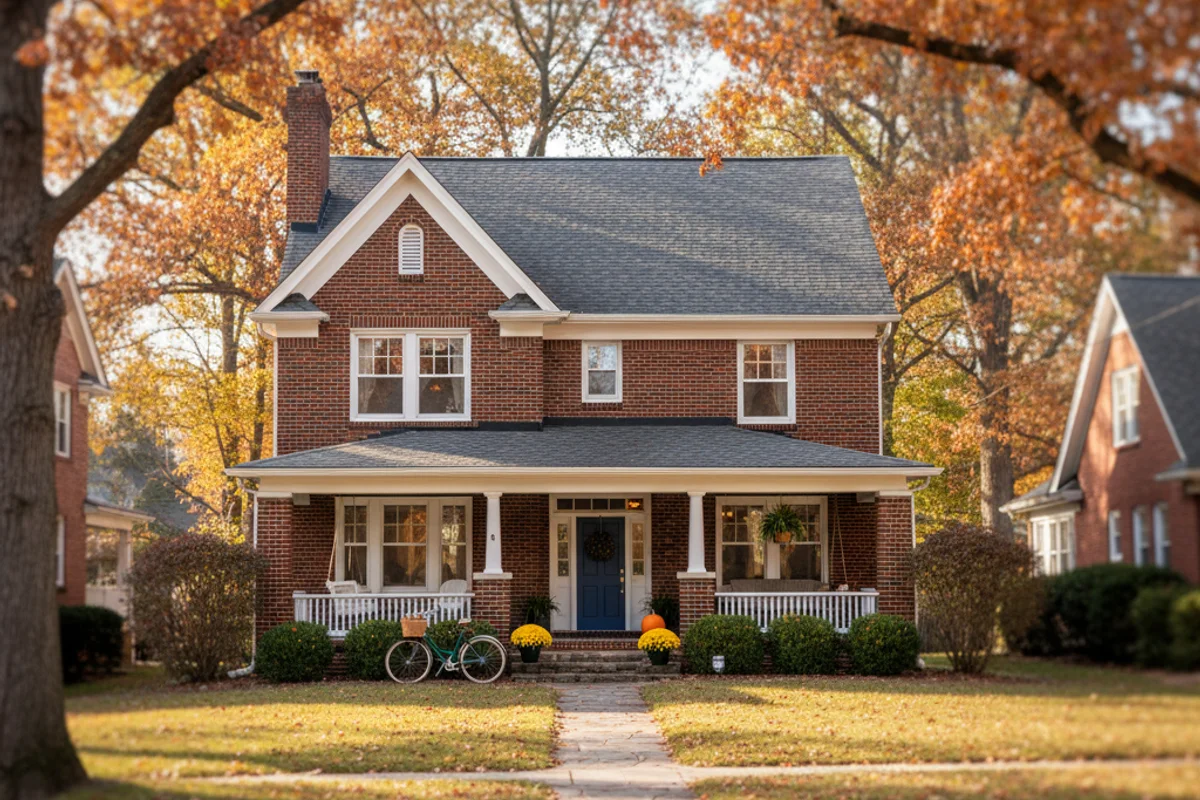
Selling as is doesn’t mean giving your house away. That’s the biggest misconception Dayton homeowners have about as-is sales, and it stops them from exploring an option that could actually net them more money. If you need to sell your house as is in Dayton, you’re not settling for a bad deal. You’re choosing a different path that eliminates thousands in repair costs, agent commissions, and months of uncertainty.
The numbers tell a different story than most people expect. With Dayton’s median home price at $130,000 and cash sales making up 24% of all transactions, the as-is market isn’t some desperate last resort. It’s a legitimate alternative that smart homeowners use when repairs don’t make financial sense.
5 Myths About Selling a Dayton Home As Is
Myth 1: You’ll get 50 cents on the dollar. This one persists because it sounds believable. The reality is that reputable Dayton cash home buyers calculate offers based on actual market value minus necessary repairs and typical selling costs. On a $130,000 Dayton home needing $20,000 in repairs, expect offers around $95,000 to $105,000. That sounds low until you factor in what you’d actually net from a traditional sale after paying 6% in realtor commissions ($7,800), seller closing costs ($2,500), repairs ($20,000), and carrying costs during the 62-day average market time in Dayton. Your net from the traditional route? Around $99,700. The cash offer suddenly looks competitive.
Myth 2: Only desperate people sell as is. Wrong audience entirely. The typical as-is seller in Dayton includes inherited property owners who live out of state, landlords tired of tenant problems, homeowners relocating for work who can’t wait months for a traditional sale, and people who simply did the math and realized repairs wouldn’t pay off. These aren’t desperate situations. They’re practical decisions.
Myth 3: The process is sketchy. Legitimate cash home buyers in Ohio follow the same title and escrow process as traditional sales. You’ll work with a title company, review a purchase agreement, and receive your funds at closing through proper channels. The speed difference comes from eliminating financing contingencies and inspection negotiations, not from cutting corners on legal protections.
Myth 4: Your house is too far gone. Cash buyers in Dayton have purchased homes with foundation cracks, roof damage, outdated electrical systems, water damage, and properties that haven’t been updated since 1970. The condition changes the offer amount, but it rarely prevents the sale entirely. Homes in South Park with serious deferred maintenance sell as is. Historic properties in the Oregon District with expensive renovation needs find buyers. Location matters, but condition is almost never a dealbreaker.
Myth 5: You have zero negotiating power. You’re not begging for someone to take your problem off your hands. You’re entertaining offers from buyers who want your property. You can reject lowball offers, counter with a higher number, negotiate the closing date, and choose which buyer to work with if you receive multiple offers. The as-is market in Dayton has enough active buyers that you maintain leverage, especially if your property is in a desirable neighborhood like Grafton Hill or Old North Dayton.
Get Your Free Cash Offer Today
No fees. No repairs. Close in as little as 7 days.
Related Video
How Ohio Defines “As Is” in a Real Estate Sale
Ohio law doesn’t create a special exemption for as-is sales when it comes to disclosure requirements. According to Ohio’s residential property disclosure law, you must complete a disclosure form that covers known defects in major systems, structural issues, water intrusion, and other material facts about the property.
The “as is” designation changes your repair obligations, not your honesty requirements. When you sell a house in Ohio in as-is condition, you’re telling the buyer they accept the property in its current state and you won’t be making repairs or offering credits based on inspection findings. You’re not saying you can hide problems or skip disclosure paperwork.
Here’s what actually changes in an as-is transaction. Traditional buyers typically include inspection contingencies in their offers. They hire inspectors, review reports, then come back requesting repairs or price reductions. That negotiation process adds weeks to the timeline and often kills deals entirely. In Dayton’s market, roughly 15% of traditional sales fall through after inspection issues.
As-is sales remove that entire phase. The buyer accepts the property’s condition upfront. If they choose to inspect for their own information, those findings don’t trigger renegotiation. The agreed price stands regardless of what the inspection reveals (assuming you disclosed known issues properly).
The legal protection works both ways. You can’t be sued later for undisclosed defects just because you sold as is. But you also can’t use “as is” language to shield yourself from disclosure violations. Ohio courts have consistently ruled that as-is clauses don’t override mandatory disclosure requirements.
For cash buyers specifically, most waive inspections entirely. They’ve already assessed the property during their walkthrough and built repair costs into their offer. The transaction moves straight from offer acceptance to title work to closing.
Step-by-Step: How an As-Is Cash Sale Works in Dayton
Step 1: You request an offer. Most Dayton cash buyers let you get your cash offer through a simple online form or phone call. You provide basic property information including address, bedroom and bathroom count, approximate square footage, and a general description of condition. This takes about five minutes.
Step 2: The property assessment happens. Within 24-48 hours, a buyer representative schedules a walkthrough of your Dayton home. This isn’t a formal inspection. It’s a visual assessment to confirm the information you provided and identify repair needs. The walkthrough typically takes 20-30 minutes. You can be present or not, your choice.
Step 3: You receive a written offer. Most cash buyers in Dayton provide offers within 24 hours of seeing the property. The offer includes the purchase price, proposed closing date, and terms. No obligation exists at this point. You can accept, counter, or decline.
Step 4: You choose your closing date. Unlike traditional sales where financing timelines dictate the schedule, you pick when you want to close. Need two weeks to find a new place? Fine. Want to close in seven days because you’re already relocated? Also fine. The flexibility is one of the biggest practical advantages of selling to cash home buyers in Ohio.
Step 5: Title work proceeds. The buyer’s title company runs a title search to identify any liens, judgments, or ownership issues. If they find problems like unpaid property taxes or contractor liens, these get resolved from your sale proceeds at closing. You don’t need to come out of pocket to clear title issues.
Step 6: You close and get paid. Closing happens at a title company office or attorney’s office. You sign the deed and transfer documents, the title company disperses funds to pay off any existing mortgage and liens, and you receive your net proceeds. Most sellers in Dayton get paid via wire transfer or cashier’s check the same day.
Total timeline from initial contact to cash in hand: 10-14 days on average. Compare that to the traditional process in Ohio, which typically takes 30-45 days after you accept an offer, plus the weeks or months you spend listing and waiting for that offer to arrive in the first place.
For a complete guide, read our resource on selling your house as is in Dayton.
Find Out What Your Home Is Worth
Get a no-obligation cash offer in 24 hours.
What Inspections Still Happen in an As-Is Sale
Here’s what surprises most Dayton sellers: the buyer might still inspect even though they’re buying as is. Some cash buyers conduct their own inspections for internal purposes. They want to verify repair estimates and ensure they haven’t missed major issues that would affect their investment calculations.
The difference is that these inspection findings don’t come back to you as demands or renegotiation points. The buyer absorbs whatever they find. If the roof is worse than expected, that’s their problem. If the foundation needs more work than they estimated, they handle it.
Title inspections always happen regardless of sale type. The title company examines public records to verify clean ownership and identify any claims against the property. This protects both you and the buyer from future legal issues.
Appraisals typically don’t happen in cash sales. Traditional buyers need appraisals because their lenders require them. Cash buyers don’t answer to lenders, so they skip this step entirely. This eliminates another common deal-killer. In Dayton’s market, about 8% of traditional sales fall through when appraisals come in below the agreed purchase price.
Some investors order specialized inspections for specific concerns. If your Grafton Hill home was built before 1978, they might test for lead paint. If you’re in a flood zone near the Great Miami River, they might review flood risk assessments. But again, these are for their information only. They don’t trigger negotiations that delay or kill your sale.
Environmental assessments rarely apply to residential properties unless there’s a specific contamination concern. Former commercial properties converted to residential use might trigger this, but typical Dayton homes don’t.
The practical reality is that most as-is cash transactions in Dayton involve minimal inspection activity. The buyer does a walkthrough, maybe takes photos or measurements, and moves forward. The entire inspection phase that consumes weeks in traditional sales either disappears or happens quietly in the background without affecting your timeline or price.
Comparing Net Proceeds: As Is vs. Repaired in Dayton
Let’s run real numbers on a typical Dayton scenario. You own a three-bedroom, one-bath home in South Park. Similar homes in good condition sell for $130,000 (right at Dayton’s median). Your home needs work: new roof ($8,500), HVAC replacement ($5,000), kitchen updates ($6,000), and bathroom renovation ($4,500). Total repairs: $24,000.
Traditional sale after repairs: You spend $24,000 fixing everything. The home lists for $130,000 and sells at that price after 62 days (Dayton’s average). Here’s what you pay:
- Realtor commission (6%): $7,800
- Seller closing costs: $2,500
- Repairs completed: $24,000
- Mortgage and utilities during 62-day listing period: $1,400
- Total costs: $35,700
- Your net proceeds: $94,300
As-is cash sale: You skip all repairs. A cash buyer offers $100,000 based on the property’s condition and current market. You close in 14 days. Here’s what you pay:
- Realtor commission: $0
- Seller closing costs (often covered by buyer): $0
- Repairs: $0
- Carrying costs during two-week period: $300
- Total costs: $300
- Your net proceeds: $99,700
The as-is sale nets you $5,400 more despite the lower sale price. You also avoid three months of stress, contractor headaches, and uncertainty about whether repairs will actually deliver the expected value.
The math shifts based on your specific situation. If you can do repairs yourself or have contractor contacts who work cheap, the repair-first route might make sense. If your home only needs minor cosmetic work that buyers value highly, updating before listing could pay off. But for properties needing major mechanical or structural work, the numbers usually favor selling as is.
Location affects these calculations too. Homes in the Oregon District or Grafton Hill might see higher returns from renovation because buyers in those areas expect updated features. Properties in areas with lower price points often don’t recoup renovation costs at all.
Time value matters if you’re relocating for work or need to access your equity quickly for other purposes. Three extra months of carrying costs and delayed access to your sale proceeds has a real financial impact that doesn’t show up in simple price comparisons. If you’re comparing similar options in other Ohio markets, articles like Cash Offer Vs Listing With Realtor in Columbus: No Repairs Required break down these numbers for different cities.
How to Request a Cash Offer on Your Dayton Home
The process starts with a simple contact. Most Dayton cash buyers operate similarly. You provide property details through an online form, phone call, or sometimes email. The information they need includes:
- Property address
- Number of bedrooms and bathrooms
- Approximate square footage
- Year built (they can often look this up on Montgomery County property records)
- General condition description
- Your timeline and situation
You don’t need perfect information. If you inherited a property and don’t know exact details, provide your best estimates. The buyer will verify during their walkthrough.
Within 24-48 hours, you’ll schedule a property visit. Someone from the buying company will walk through, take notes and photos, and ask clarifying questions. Be honest about problems you’re aware of. Trying to hide major issues wastes everyone’s time and could create legal problems later.
After the walkthrough, expect a written offer within 24 hours. Review it carefully. The offer should include:
- Purchase price
- Proposed closing date (or option for you to choose)
- Any contingencies (most cash offers have zero contingencies)
- Who pays closing costs
- Any earnest money requirements
If you want to compare offers from multiple buyers, contact 2-3 companies simultaneously. There’s no obligation to accept the first offer you receive. We work throughout Ohio, including nearby markets in Columbus, Cleveland, and Cincinnati where the same principles apply but specific numbers vary by market.
Red flags to watch for: buyers who pressure you to sign immediately, companies that charge upfront fees for offers, anyone unwilling to provide references or proof of funds, and offers contingent on you using their preferred contractors for repairs (defeats the whole purpose of selling as is).
Quality cash buyers will give you time to review offers, answer your questions without pressure, and provide clear documentation. They should be able to show proof they have funds available to close (not dependent on them securing financing elsewhere).
Once you accept an offer, you’ll sign a purchase agreement. This is a binding contract, so read it thoroughly or have an attorney review it if you have concerns. Most agreements are straightforward, but you’re within your rights to request changes to terms before signing.
The buyer’s title company takes over from there. They’ll contact you to schedule closing once title work completes. You’ll receive a settlement statement a few days before closing showing exactly what you’ll net. This document should match what you expected based on the original offer.
For homeowners facing foreclosure or urgent financial situations, the speed of this process can be critical. Similar situations in other Ohio markets are covered in articles like Avoid Foreclosure Sell House Fast In Akron: Act Now, which details how quick sales help homeowners in difficult circumstances.
You’ll need to bring certain documents to closing: your photo ID, keys to the property, garage door openers, and any documentation for appliances or systems that stay with the home. The title company will provide a full list in advance.
At closing, you sign the deed transferring ownership and a few other standard documents. The process takes about an hour. Funds typically transfer the same day via wire to your bank account or you receive a cashier’s check.
After closing, you’re done. No waiting for contingencies to clear, no last-minute buyer financing issues, no deal falling through after weeks of waiting. The house is sold and you have your money.
If you’re still weighing whether to sell fast in Dayton through a cash buyer or list traditionally, the decision comes down to your priorities. Traditional sales might yield higher gross prices in ideal conditions. As-is cash sales deliver certainty, speed, and often better net proceeds once you account for all costs.
Dayton’s moderate inventory level and stable market conditions mean you have options. Properties aren’t sitting for months like in oversaturated markets, but you’re also not in a white-hot seller’s market where everything sells instantly in perfect condition. The 62-day average market time reflects a balanced environment where both traditional and cash sale paths work.
The 24% cash sale percentage in Dayton shows you’re not alone in choosing this route. Roughly one in four Dayton home sales involves a cash buyer. That includes investors, flippers, and individual buyers with available funds, but a significant portion involves homeowners making the same calculation you’re considering: repairs don’t make financial sense, time matters more than squeezing out every possible dollar, or the situation simply calls for a straightforward transaction.
Your house’s specific condition, location, and your personal timeline determine which path makes sense. But selling as is to a quick home sale cash buyer in Ohio isn’t settling. It’s choosing an alternative that often delivers better results when you count all the costs, both financial and personal, that come with traditional sales.
Ready to explore what your Dayton home might bring in an as-is sale? The first step costs nothing and commits you to nothing. You request an offer, see real numbers, and decide whether the path makes sense for your situation.
We also help homeowners in Dayton dealing with divorce, foreclosure, and inherited property situations.
Ready to Sell? Let's Talk.
Get your cash offer now. No obligation, no hassle.

Jackson is the Head of Marketing at NestCash, where he leads growth strategy and real estate education. He focuses on housing trends across 12 states, translating complex market shifts into clear, actionable guidance.